


Grant Associates’ Director and Associate Director on how design’s role has evolved alongside Singapore, how clients approach bold ideas, reconnecting people with nature, and their advice for young designers.


Up next in our Singapore Design in Focus series, we speak with Stefaan Lambreghts, Director, and Agnes Soh, Associate Director, of Grant Associates, a landscape architecture practice with offices in Bath, UK, and Singapore. The practice says its work reconnects people with nature while addressing urbanization, the climate crisis, and biodiversity extinction.
In our conversation, the pair look at what sets Singaporean design apart, how its role has shifted as the country has transformed, and whether clients are more willing to go bold than they used to be.
They also get into how human behavior, nature, and ecological science sit alongside design technology in the practice’s process, how a set brief compares with creative freedom, and where AI fits in the industry and in their own workflow.
Along the way, they reflect on the everyday spaces that shape city life, from playgrounds and neighborhood parks to cycling paths, and on what it takes to see a project through from first concept to completion.
For young designers entering the industry, Soh offers this advice: “come into the profession with a desire to contribute something positive, and leave things better than when you found them.”

Stefaan Lambreghts: Singapore is a city-state constantly trying to stay ahead of its friendly but competing neighbours. With limited land and resources, Singapore simply had to be creative and learn how to do more with less. Every square meter of land has to fulfil multiple functions, and it always needs to add value to both the owner and society. This lack of land has shaped Singapore’s urban planning, landscape and architecture.
From the beginning, the government actively worked on nation-building—focusing not just on infrastructure, but on society itself. While private space exists, there is a powerful, underlying sense that we must share the limited space we have available. It also led to a strong desire for consensus if one has to live successfully live close to each other.
Agnes Soh: What we do exceptionally well is make a city work, often through design that you barely notice. Changi Airport and Jewel are obvious examples. Both are ambitious, technically complex and extremely considered. Gardens by the Bay is another, with its bold architectural and landscape statement. But I also think about the everyday; playgrounds, cycling paths, neighbourhood parks and public spaces that are simply within reach.
What we do exceptionally well is make a city work, often through design that you barely notice.
As landscape architects, we are constantly dealing with the realities of a tropical city. Heavy rain, heat, humidity, shade, wet surfaces and unpredictable weather. These are not always the glamorous parts of design, but they determine how well a space works. This is the invisible excellence of design. Perhaps this is our version of design innovation, not always about making the loudest statement. Singapore has become very good at creating environments that quietly improve everyday life.
SL: In Singapore’s early decades, design served a pragmatic purpose: it was a tool used to fulfil the immediate needs of Singaporeans and a young country. Yet even in those early days, this survival-driven approach was guided by a long-term vision of where the nation needed to go.
Today, that vision has shifted from immediate problem-solving to proactive anticipation. Contemporary design in Singapore is no longer about meeting current requirements; instead, it focuses on understanding and anticipating future needs and challenges before they arrive.
This forward-thinking approach has created a unique, cyclical relationship with policy. When a design solution successfully addresses a complex problem, it is often translated into future expectations, regulations and targets. These solutions set new benchmarks for the entire industry. Designers must then respond and adapt to these elevated standards, creating a continuous loop where design inspires the regulatory framework, and the framework in turn directs the next generation of design.
Contemporary design in Singapore is no longer about meeting current requirements; instead, it focuses on understanding and anticipating future needs and challenges before they arrive.
Ultimately, while design remains fundamentally about solving practical problems, the challenges Singapore faces today have simply become far more complex and forward looking.
AGS: As the city developed, people expect design to do more than simply solve practical problems. We expect spaces to delight and improve our quality of life. You see this in everything from our housing estates to retail and private developments. There’s always a desire for a new exciting concept, always a new playground, a new F&B concept, a new attraction.
When I went to architecture school, few people outside the profession cared about things like tile colours, carpentry details or the quality of light. Today, people are much more conscious of how light, colour, material and temperature affect how a space feels.
There is also a deeper understanding of how design affects everyday experience. People are interested in how design and spaces work. Ideas (and critiques) are shared easily on social media. There’s a desire for design to do more than shape spaces. Clients now want design to enhance play, learning environments, to shape relationships, amongst other things. These experiences change the way we relate to places, to each other and to nature.
SL: Clients are looking for something that differentiates their project from others, but what is bold? It used to be something instagrammable, but that has evolved into a desire for something more meaningful. It is much more about the mood and the emotions now, rather than just a flashy image. There is also a desire for a coherent narrative that truly matches the client’s DNA. Still, going back to the earlier point, the design needs to solve a problem. If it can do it in an unexpected but meaningful way, then that is a bonus.
Often, clients are by nature risk-averse. So as we come with bold designs, we need to address their concerns. A good client tells us at the right time to be more bold or sometimes to tone it down. Working with a client is really about having a good conversation and finding a solution that responds to what the client expressed. I strongly believe that a good designer is a good listener.
AGS: People have higher expectations for spaces now, both clients and users are looking for clearer identity, vision and purpose. More clients are asking us to push boundaries. That said, I hesitate to use the word “bold”. In practice, design innovation is often incremental. It might be a new planting mix, a better-performing detail, or a different way of managing water. The idea itself may be small, but its impact can be significant.
People have higher expectations for spaces now, both clients and users are looking for clearer identity, vision and purpose. More clients are asking us to push boundaries.
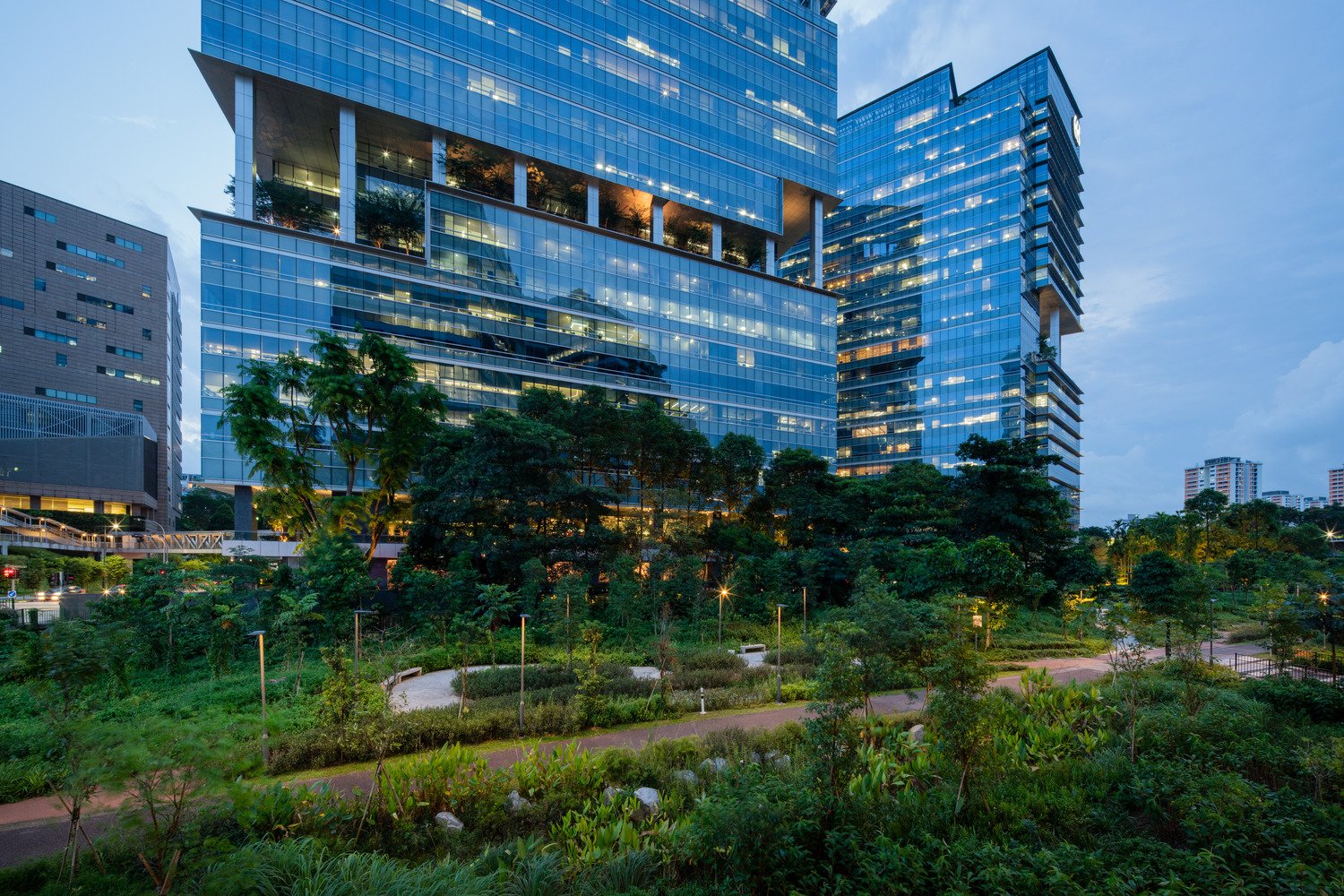
On Shenzhen Bay Culture Park, we started with a bold idea to extend greenery across all levels of the retail public realm. As the maintenance and operations requirements became clearer, planting was limited to non-retail areas. We had to pivot, and what emerged was a different character. Yet the bold design language, with a family of lichen-inspired forms and elements across the hardscape and elevated walkway, created a holistic identity for the development. We spent a lot of time testing colours and forms to make it work.
When faced with pushback, it is easy to fall back on the familiar or omit things the client doesn’t want. Part of our role is to persuade clients of new ideas, but that also means taking responsibility for convincing them. When things don’t go our way, it is important to pivot too. The process is rarely completely linear, but that is often what makes the outcome more rewarding.
SL: At its core, this philosophy means we aren’t just decorating spaces; we are bridging the gap between urban life and the natural world to create places where both people and ecosystems can thrive together.
Our first priority is the human element—designing spaces that purposefully reconnect people with nature, because the mental and physical benefits of doing so are undeniable. However, to make these spaces successful, we have to respect that nature can be fragile, yet highly resilient and have a mind of its own. Our job is to create the exact structural and ecological conditions that invite nature to recolonise our manmade environments. Doing this effectively requires a broad understanding of ecological science, which is why we frequently collaborate with specialised experts to ensure our concepts are scientifically sound.
Our first priority is the human element—designing spaces that purposefully reconnect people with nature, because the mental and physical benefits of doing so are undeniable.
When it comes to innovative design technology, we absolutely embrace it, but we balance it with a return to pure basics. True sustainability often lies in simple, robust design solutions that are built to last for generations rather than relying on overly complex tech.
A great example of this evolution in our practice is our work with green walls. Over the years, we have experimented extensively with various vertical greening systems. While many of these have become incredibly efficient and remain valuable tools, our approach has shifted. Today, we are moving away from high-maintenance engineering and focusing more on designing landscape systems that are less intensive to manage, allowing for genuine, long-term self-regeneration.
Ultimately, by combining ecological data with a grounded approach to technology, we ensure our landscapes don’t just look good on day one, but actually sustain themselves and evolve naturally over time.
AGS: The biggest difference for landscape architects is that we are designing with living systems. Plants grow, fauna move in and people continually reshape the spaces they inhabit.
Designers are often wired to think of people as our primary users. But we share our cities with flora and fauna. They too are our users. Hence we work closely with arborists and ecologists to ensure our ecological strategies, and habitats, are evidence-based.
At the same time, science alone is not enough. It’s also not just about good design. The hope is that good design can inspire our emotional connection with nature and, persuade us to care about nature and our environment.
Sometimes this can be as simple as creating opportunities for an unexpected wildlife encounter. I remember hosting visitors at the Singapore Garden Festival in 2024 when a nature educator excitedly pointed out a dragonfly species, common in our forests, had found its way into our indoor garden display. It was a small moment, but it reminded me that even when nature cannot be replicated exactly, we can create experiences that spark curiosity.
SL: We thrive when there is a clear, open, and meaningful dialogue with the client, rather than just choosing between a strict brief or complete creative freedom.
We see both extremes. Some clients know exactly what they want, which means we might need to challenge their pre-conceptions. Others approach us for project types they aren’t familiar with, leaving the brief short and open-ended. In those cases, we often have to produce initial designs just to help them figure out what they actually want.
That is why starting a conversation early is so critical. We want to understand what drives the client and what their true aspirations are. Beyond just a list of physical activities or features, we want to discover what emotions our designs should generate.
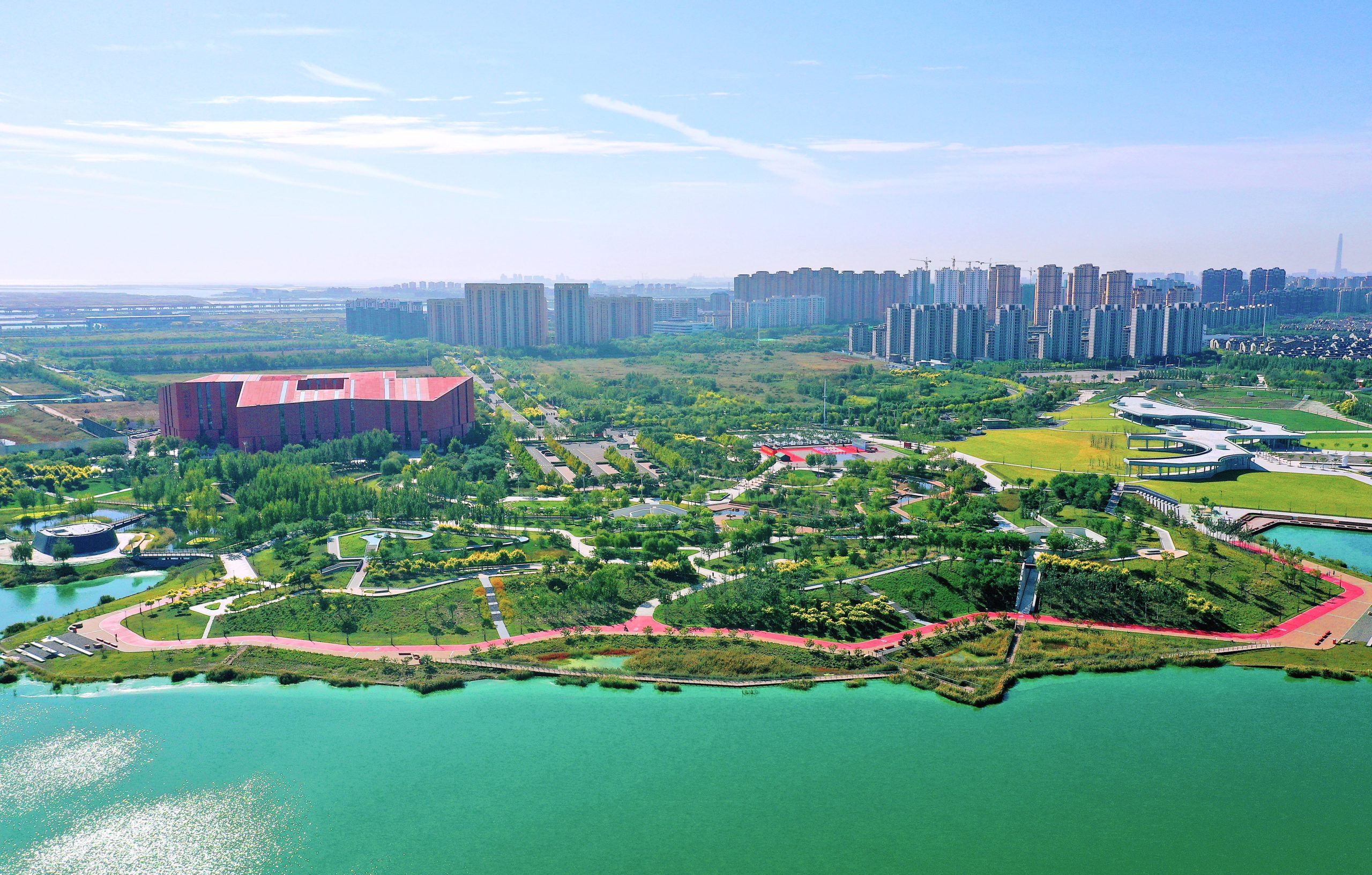
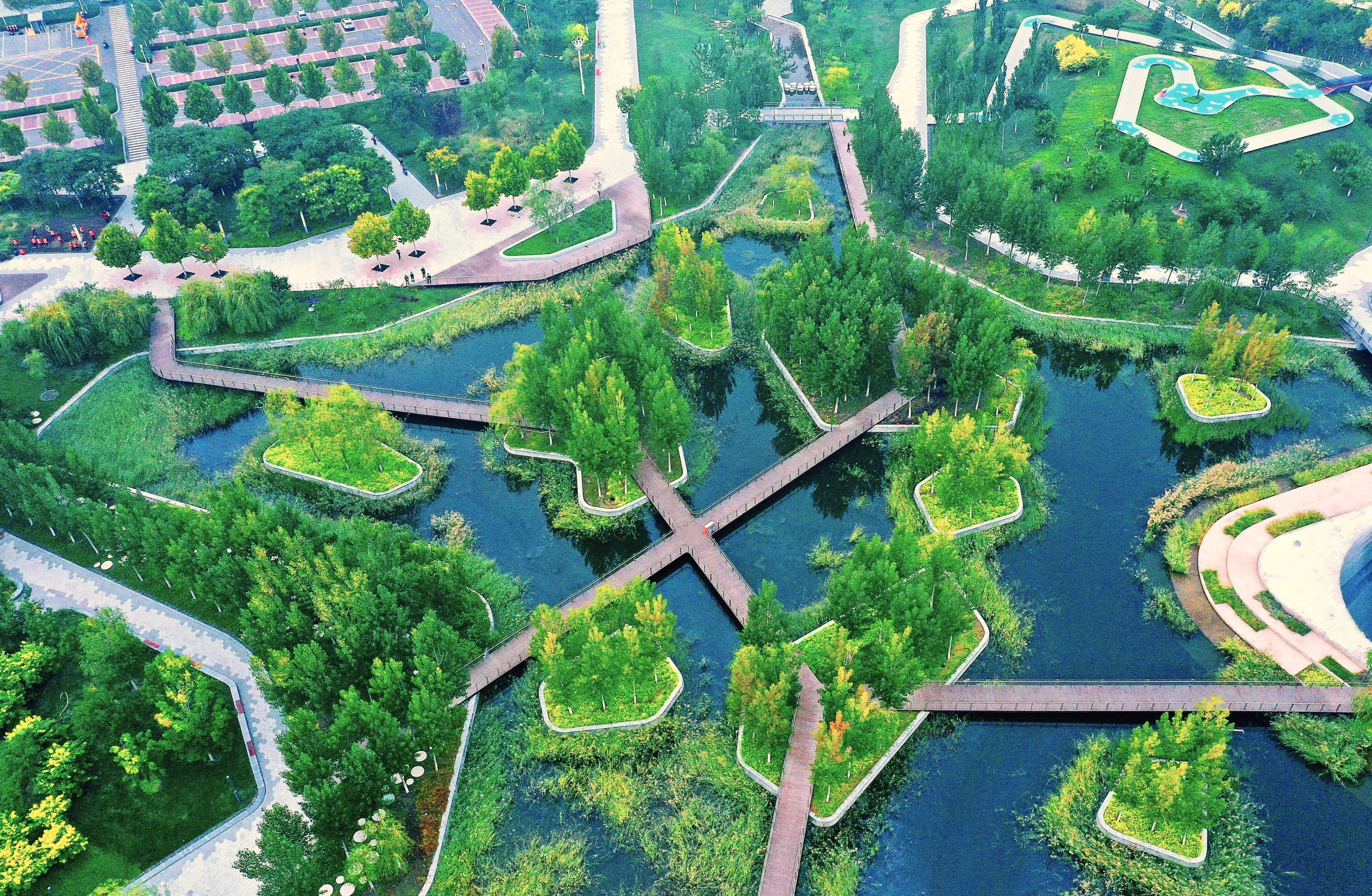
Of course, sometimes you have to lean entirely into the brief. For the Sino-Singapore Friendship Park competition, the client gave us an incredibly long, almost unrealistic wish list of features. Because it was a competition, we decided to fit absolutely everything in. It resulted in a hectic, intense design that actually set us apart. While our competitors submitted balanced proposals, ours felt chaotic but exciting—and that intensity is what won it.
Ultimately, as long as we can maintain an honest, open dialogue, we can find the right balance between structure and freedom to deliver something impactful. A good client does not attempt to re-design what we do, but balances their feedback and directions, encouraging us to go bolder or to temper.
AGS: Creative freedom is pushing boundaries within limits. I tend to be cheeky and look beyond the programmatic brief. We step back to ask: what problems are we actually trying to solve, what impacts do we want to make?
Creative freedom is pushing boundaries within limits.
I like to see the brief is part of the creative process. What matters is having a shared understanding of what we are trying to create. The client, architect, engineers and specialists are all collaborators working towards the same goal.
SL: AI is undoubtedly here to stay, and we see it as a powerful tool that brings a renewed sense of experimentation, wonder, and surprise to our workflow. It breaks us away from standard routines and lets us test ideas rapidly. In practice, it has at times shortened our initial research phase and enhanced our deliverables. Ideally, it handles the tedious, repetitive tasks so we can focus on the true essence of design.
Ultimately, we are still a long way from AI genuinely designing landscapes. Exceptional landscape architecture is about creating surprise, transcending expectations, and evoking deep human emotions
However, we have to be mindful of its limitations. With great tools come lesser applications, and there is a real risk of people using AI to take unsubstantiated shortcuts. At the end of the day, we remain entirely responsible for the final outcome. Our challenge is to maintain strict quality control and ensure we aren’t just creating a quick, beautiful image that doesn’t actually work in reality.
Ultimately, we are still a long way from AI genuinely designing landscapes. Exceptional landscape architecture is about creating surprise, transcending expectations, and evoking deep human emotions. That human added value is incredibly difficult to replicate. The key is to define what sets us apart from any current or future AI agent.
AGS: Digital tools will continue to improve efficiency and potentially help the industry become more productive and financially sustainable. What concerns me is not necessarily whether AI will replace designers, but how it might change the way future designers learn.
I started architecture school during the transition from hand-drafting to digital media. Like any new technology, there are opportunities as well as consequences. Design is still largely learned through apprenticeship, observing, mimicking, making, testing, drawing, documenting, revising and repeating. Many of the tasks AI is beginning to automate are also the tasks through which young designers develop judgement and technical competence.
More and more of us, myself included, risk losing the understanding of what makes a drawing effective and elegant. We may become more efficient, but are we also losing the opportunities through which we learn what makes a drawing, or a design, actually work?
AI will undoubtedly raise the baseline of what can be produced. That makes the things technology struggles to replicate even more important. Curiosity, observation, judgement, empathy and understanding what people actually need.

SL: Being a landscape architect is an incredibly rewarding career. One of the greatest privileges of this job is designing public spaces and parks that you can actually visit, walk through, and enjoy years later. The design process itself is filled with moments of immense joy, but also inevitable setbacks. Overcoming those challenges is exactly what makes the final result feel so worth it.
For any young designer entering the industry, my first piece of advice is to discover and follow your true passion. This is a long-term career. Projects easily take upwards of five years from concept to completion, and you will need that passion and your original dreams to sustain you through the slow, challenging periods.
Because of this, patience is an essential virtue. Too often, I see applicants who have constantly job-hopped, which unfortunately ruin their CV. My advice is don’t jump around too much and stay to see projects through. Learn to recognise and grab the right opportunities when they present themselves. Projects that seemed mundane at first, can with a bit of inspiration end up being truly amazing.
Finally, consciously choose to work for people you respect, admire, and find inspiring. I was fortunate enough to work for some deeply inspirational designers and practices early in my career, and they completely shaped the professional I am today. Surround yourself with mentors who push your boundaries, stay patient, and let your passion drive you.
AGS: Design is often associated with consumption, but we cannot simply be consumers. We are living through extraordinary change and complex challenges. To young designers, I’d say: come into the profession with a desire to contribute something positive, and leave things better than when you found them. We need to keep asking ourselves: what value are we creating, and for whom?
Design is a team sport. Working on complex projects, I know how easy it is to get caught up in the details and lose sight of the bigger purpose
And finally, perseverance. Design is a team sport. Working on complex projects, I know how easy it is to get caught up in the details and lose sight of the bigger purpose. The negotiations can be messy and challenging, and the scope creep absolutely draining. But watching a place come alive can be deeply meaningful. That is one of the reasons that keeps me excited about the profession.
SL: A project that stands out as especially meaningful to me is The Reef at King’s Dock, a waterfront residential development. On one hand, it delivers everything you would expect for a high-end private landscape, along with a nice public pocket park. But what makes it truly special is how we approached nature there.
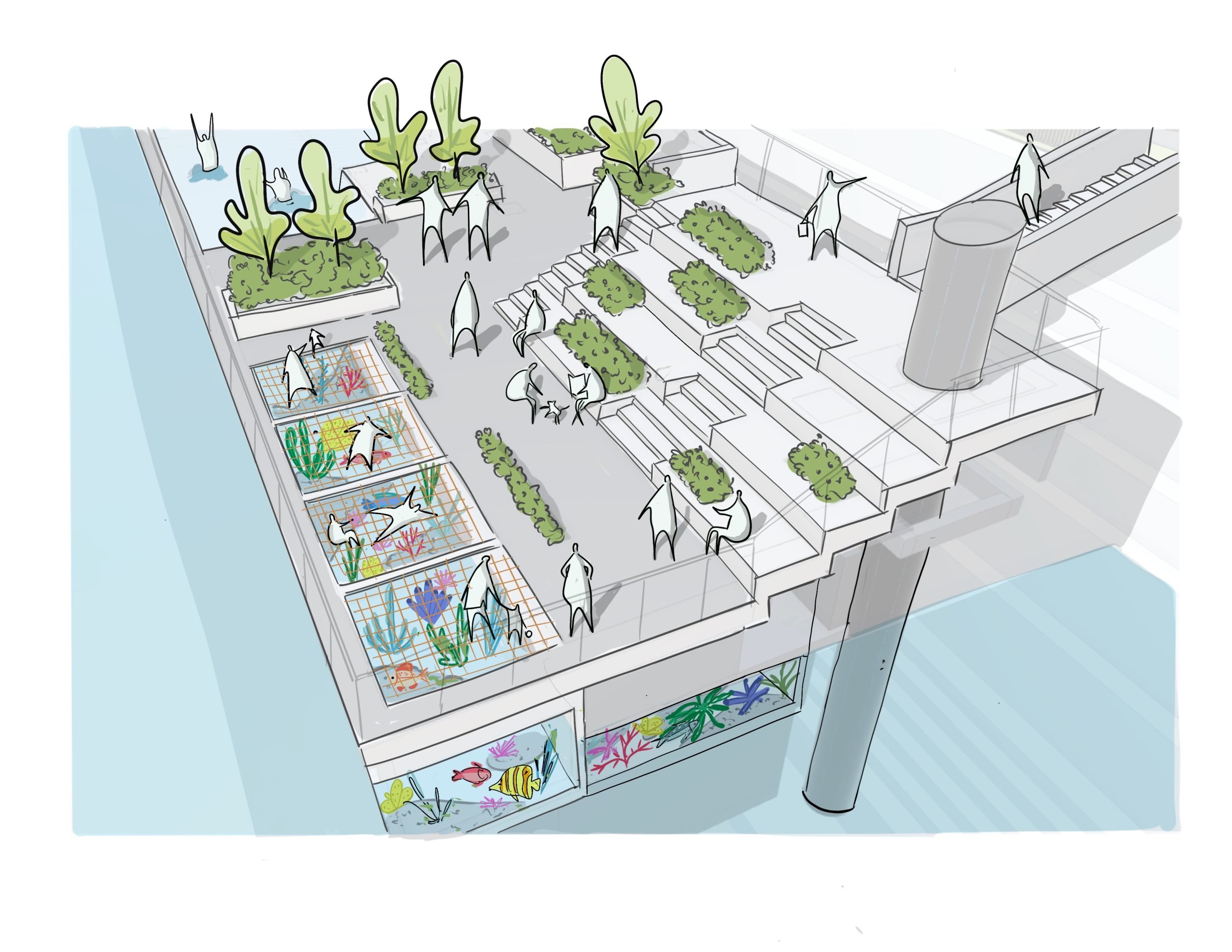
The main feature is a new pontoon that moves up and down with the tides. We realized that as people walk along this pontoon, the old dock wall suddenly becomes a main facade right at eye level. At the time, it was just ugly, grubby concrete. To fix this, we designed a low-tech dock wall system using planters filled with mangrove species and mangrove associates that could handle the saline conditions.
Because this was a bit of an experiment, we had to convince the client to fund a live mock-up. A lot of credit goes to them for supporting it. We tested more than 20 different plants to see what would survive. At the highest tides, the lowest planters get completely submerged. After nine months, the wall looked amazing, and a few years later, we implemented it on-site. Today it is thriving, and some wild plants even started colonizing the planters on their own before we even finished the project.
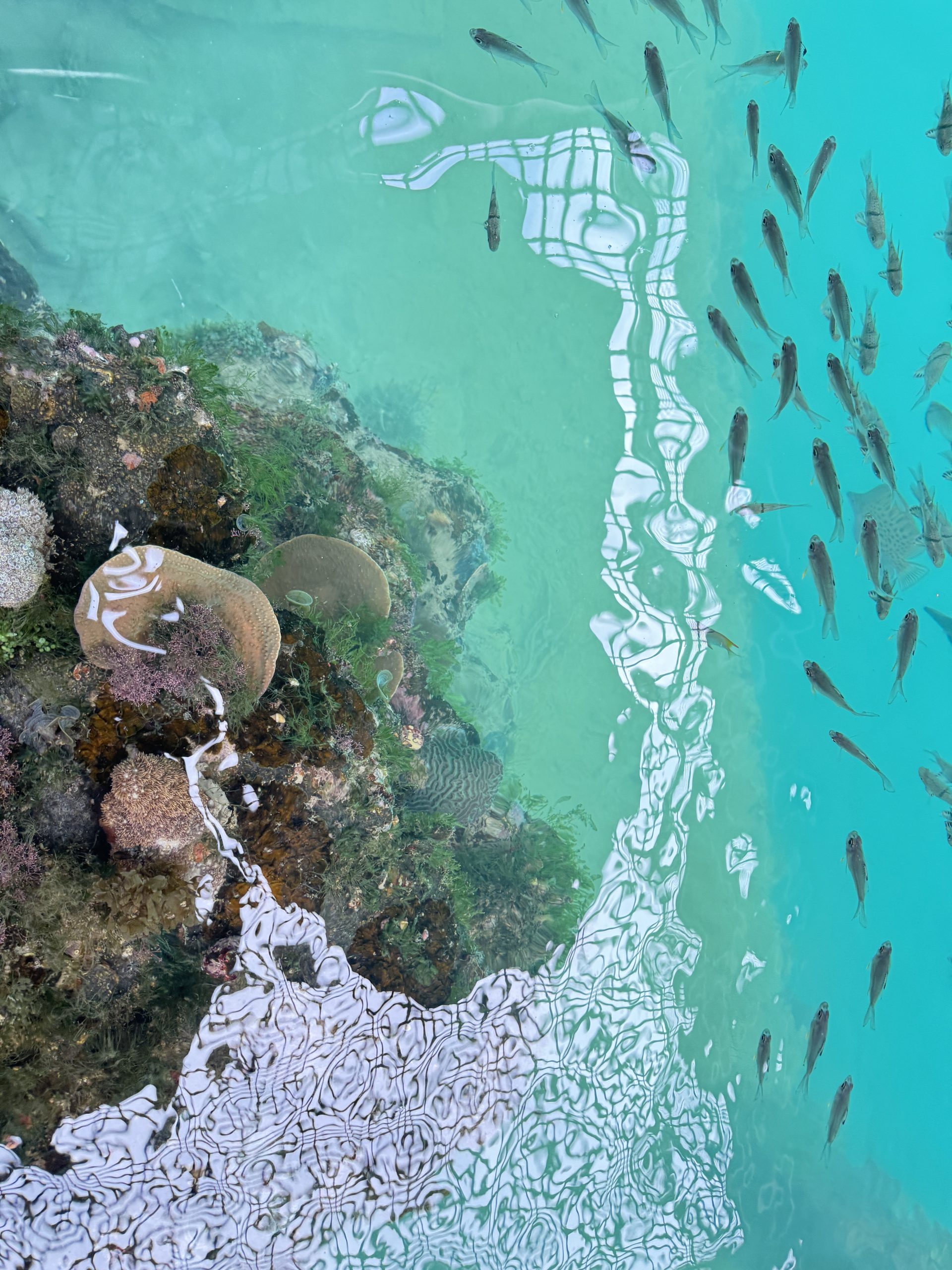
We also wanted to create a second feature focused on underwater biodiversity. We worked closely with a marine engineer to safely carve a corner out of the concrete pontoon without affecting its stability. Water flows in and out of this pit from two sides, and we closed off the top with space nets that people can actually lie on to look down into the water.
Inside the pit, we built structures to attach corals to at different depths and light conditions. A marine biologist had actually harvested local corals on-site a couple of years before, which we installed here. Over time, the corals established themselves, other organisms moved in, and it created a habitat that attracted a lot of fish. We watched it go from just one small fish early on to seeing much bigger fish visiting the area now.
Ultimately, we didn’t just take a passive approach. We relied on the nature that was already there, actively enhanced it, and gave people a unique opportunity to not just be alongside the water, but to truly be on the water.
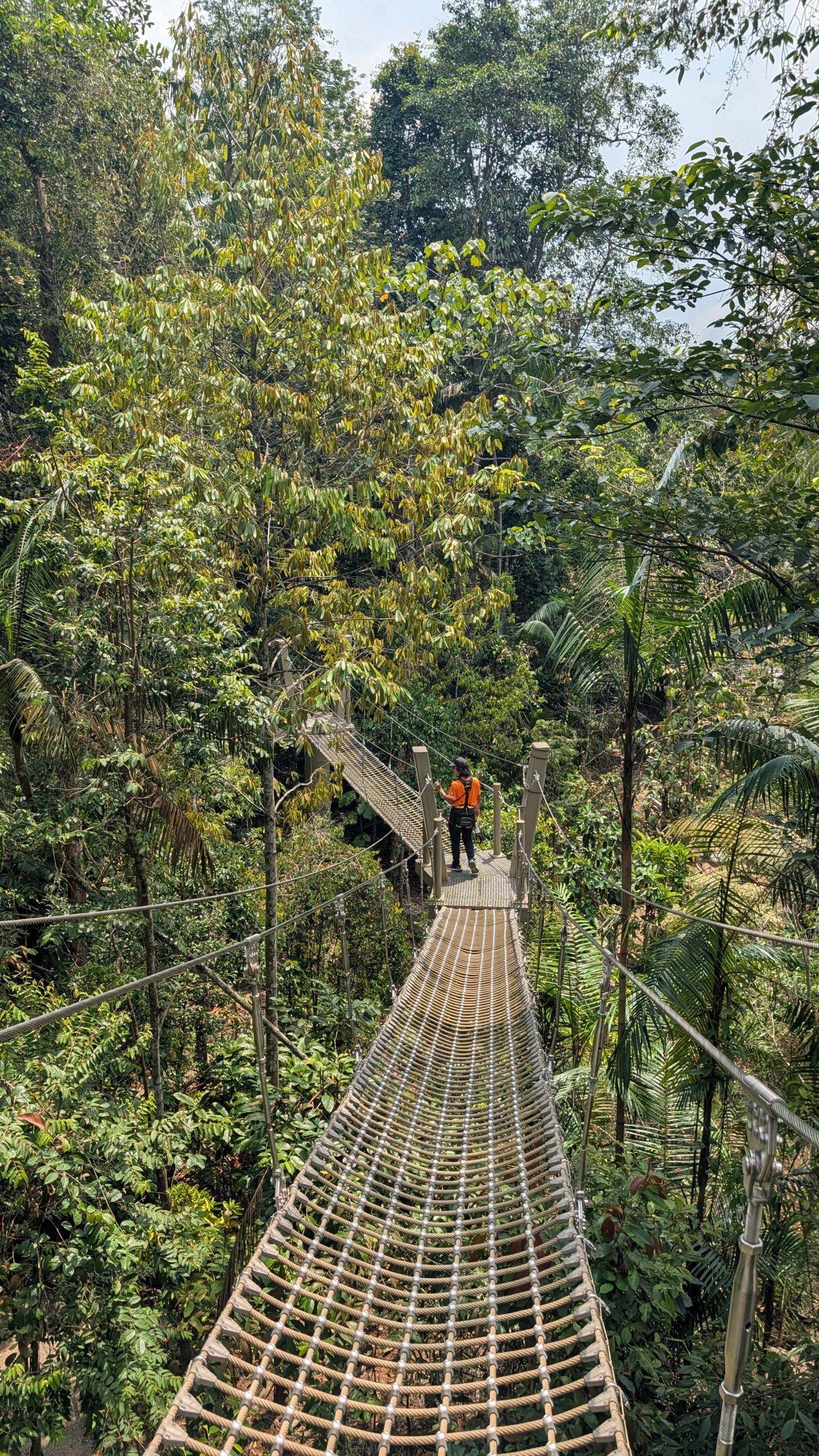
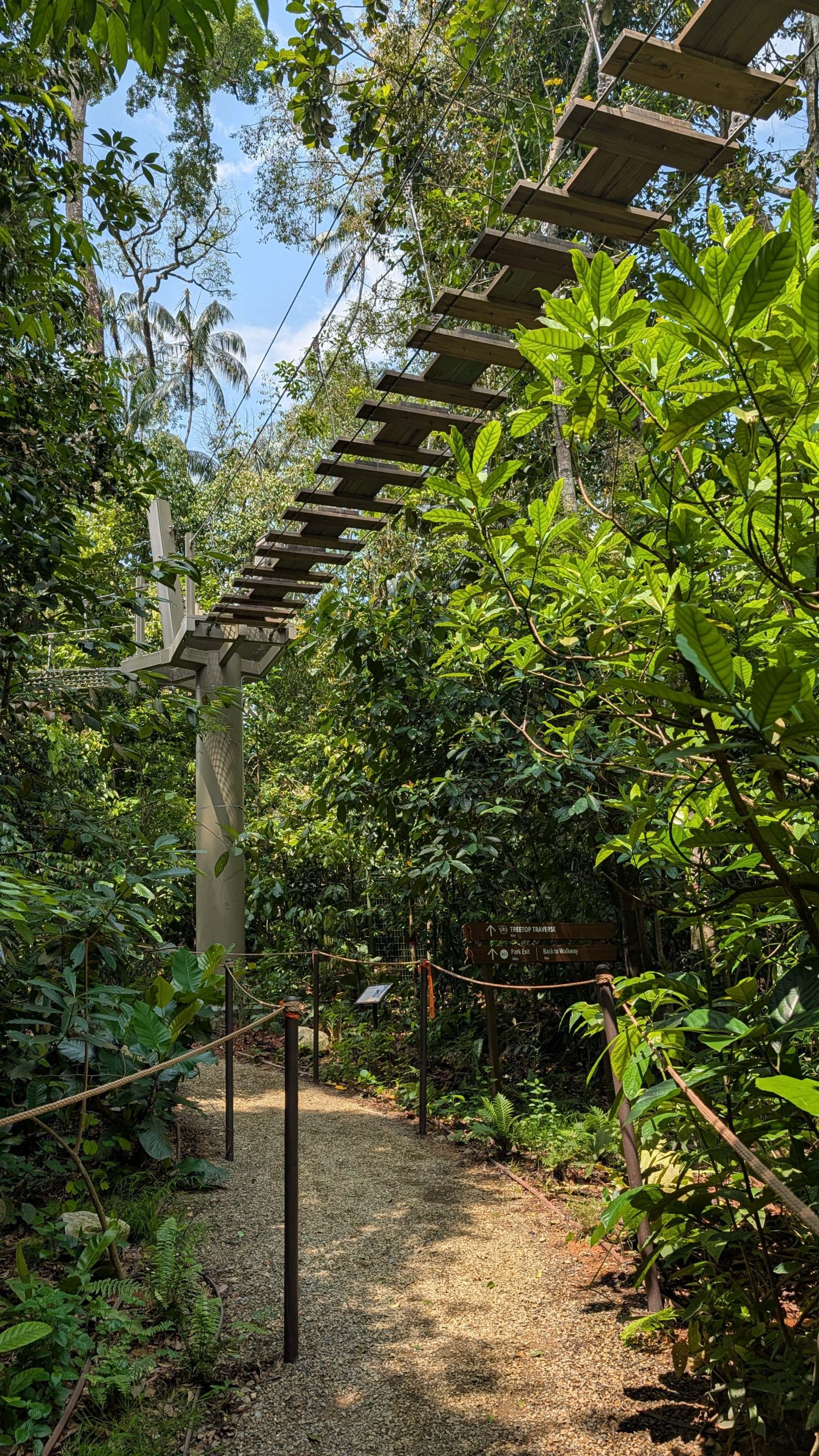
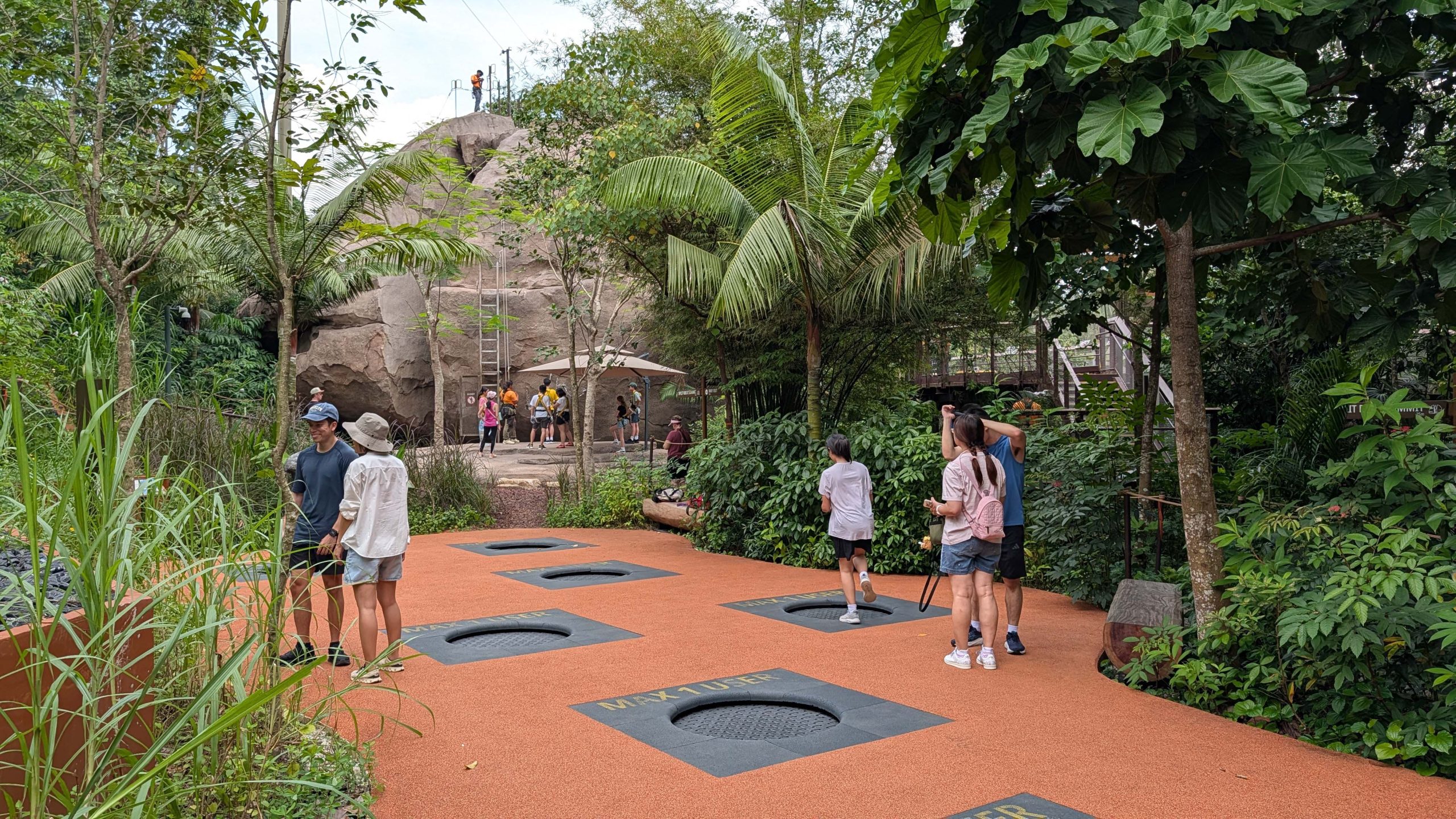
AGS: Rainforest Wild East will probably remain one of my personal highlights. Throughout the design process, we asked ourselves: how do we translate an Afrotropical safari experience into Singapore, right next to the nature reserve. From developing the narrative, crafting the spatial character, and finally working through the hardscape details and planting selection of how they could actually be built – these were carefully considered and refined. Now that the park has opened, I find myself looking back at our early sketches. While we didn’t stay to see the project through construction, it has been immensely satisfying to see those ideas realised.
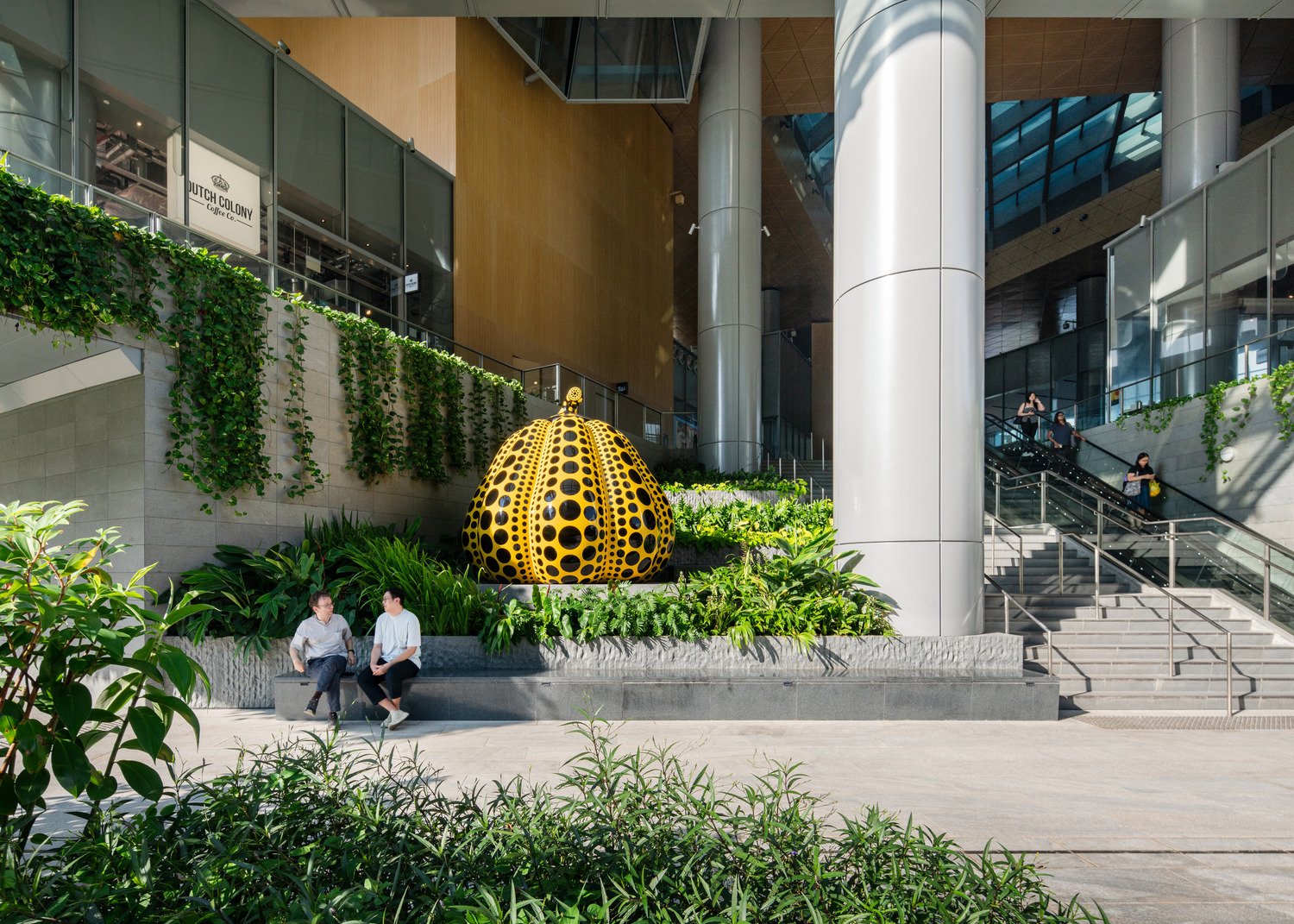
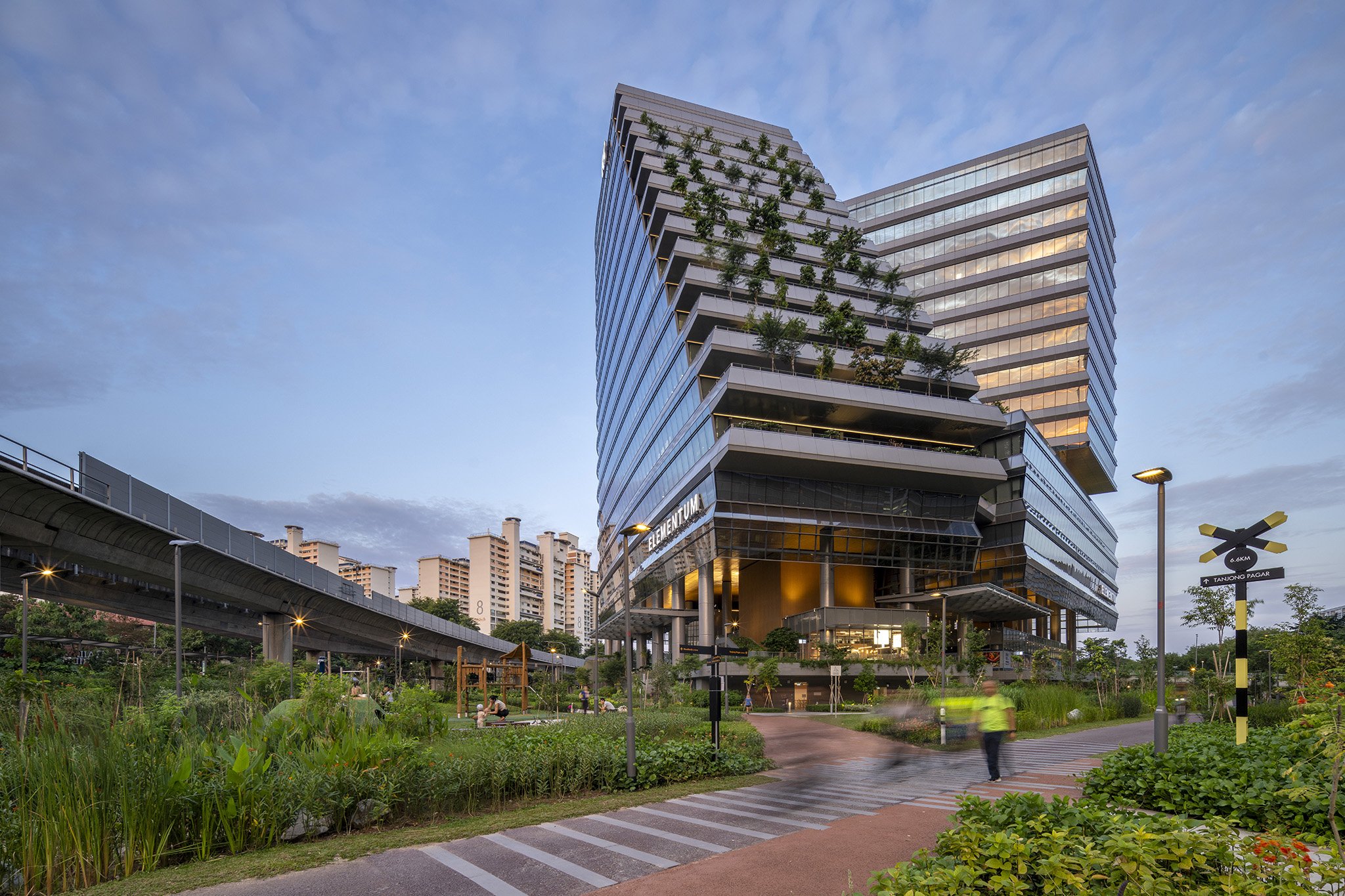
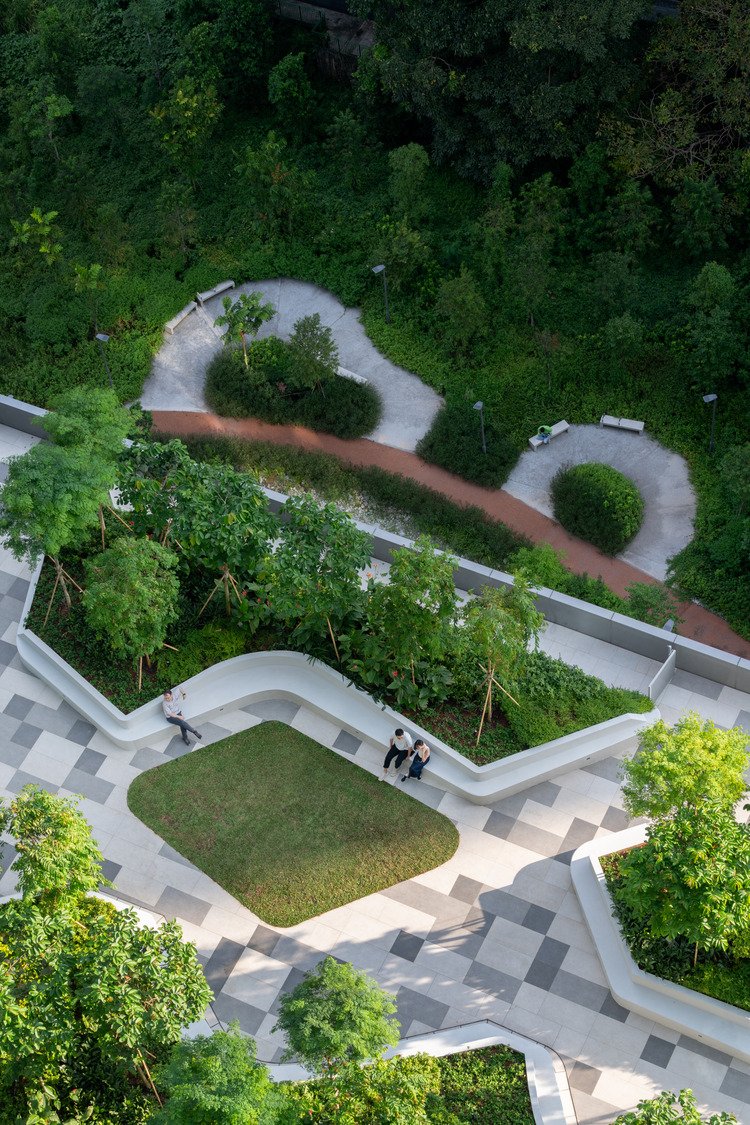
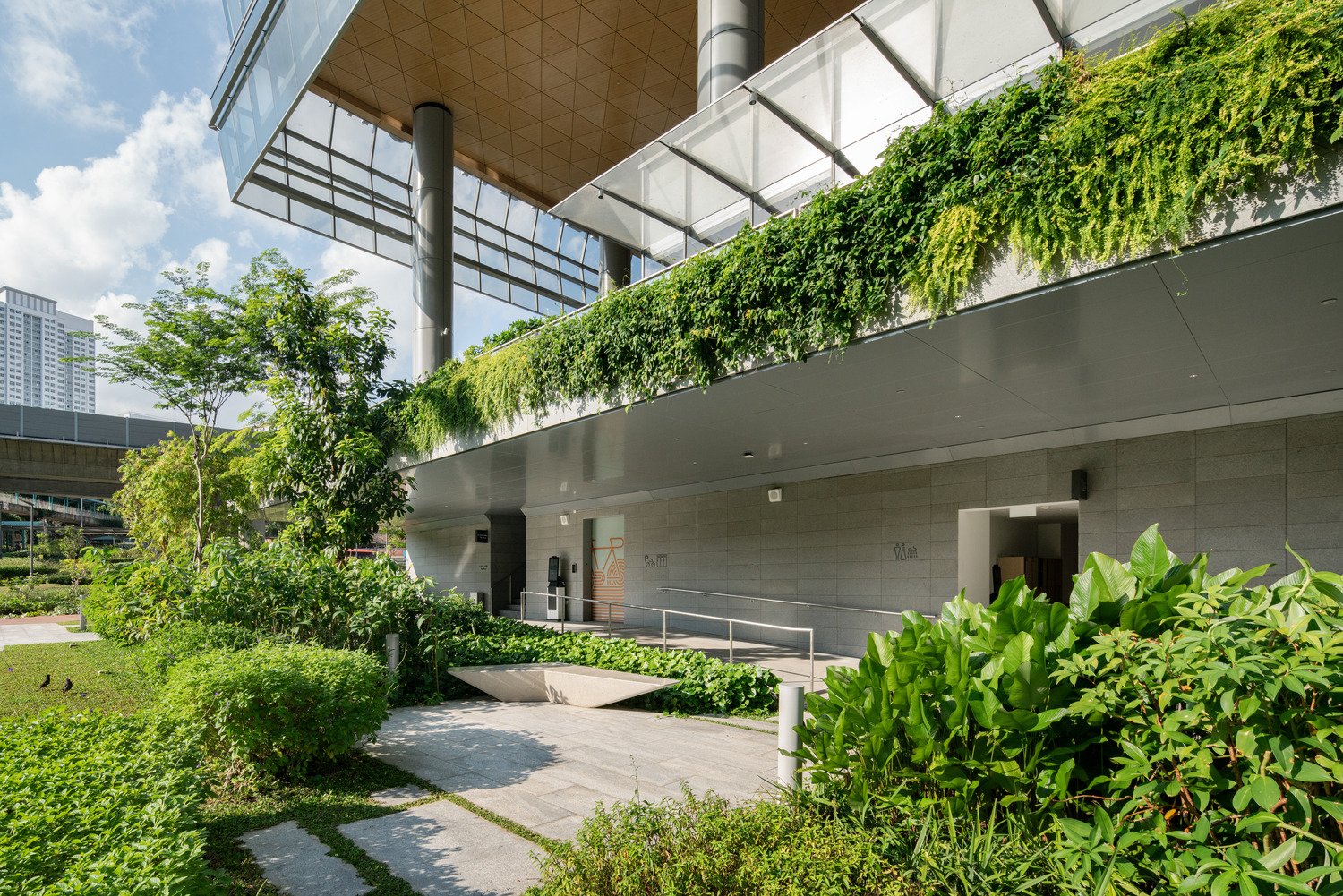
Elementum and Buona Vista Node started around the same time, but are very different projects. On the surface, it is a far less dramatic project. Yet layered beneath the practical solutions, the design is references the site’s historical river and former identity as railway line, creating well-resolved everyday spaces for people to live, work and spend time outdoors. At the same time, seeing butterflies and birds inhabit the space after completion is just as satisfying to me.
Not every project needs to be an icon. For me, part of the joy of landscape architecture is making everyday life a little more delightful. The paths to work can still be direct, but there can be something interesting along the way.
SL: Rent a bicycle, cycle alongside the canals, in the heartlands, you will encounter otters, and monitor lizards, cycle alongside Old Thomson Road and you are likely to encounter monkeys. It still excites me after all these years.
AGS: Basheer Graphic Books. Long before content is freely available whenever, this was a place to discover new perspectives and possibilities. For many of my peers, that’s almost a rite of passage.
SL: As a first-year architecture student in Belgium, I had the privilege to be taught by bOb Van Reeth. He was the most famous Belgian architect at the time and want to re-invigorate architectural teaching in Belgium. His sense of pushing boundaries, wanting to experiment, but simultaneously being very grounded is something that has really defined me as a designer, even if I have now transitioned to landscape architecture and moved to Singapore.
AGS: I’m going to cheat and say my former classmates from architecture school. Many have gone on to do remarkable work, and watching everyone’s careers unfold have been inspiring. I’d love the opportunity to collaborate with them.
SL: One area which has inspired me is the abandoned Bukit Brown Cemetery, which has been taken over by nature. I saw a palm civet cat one early morning there. I went back several times to the same spot, but never saw it again.
AGS: This sounds like a cop-out; the Botanic Gardens is a great place for a quick reset. If I have more time, definitely the National Gallery or Asian Civilisation Museum. I am always struck by the richness and diversity of Southeast Asia.
To learn more, visit Grant Associates
All images provide by Grant Associates
Select photography by:
- Mi Metipat
- Darren Soh


