Designer Jarrod Lim reflects on Singapore’s changing design scene since 2007, the role of manufacturing in the creative process, and the importance of experimentation and refinement in developing good design.


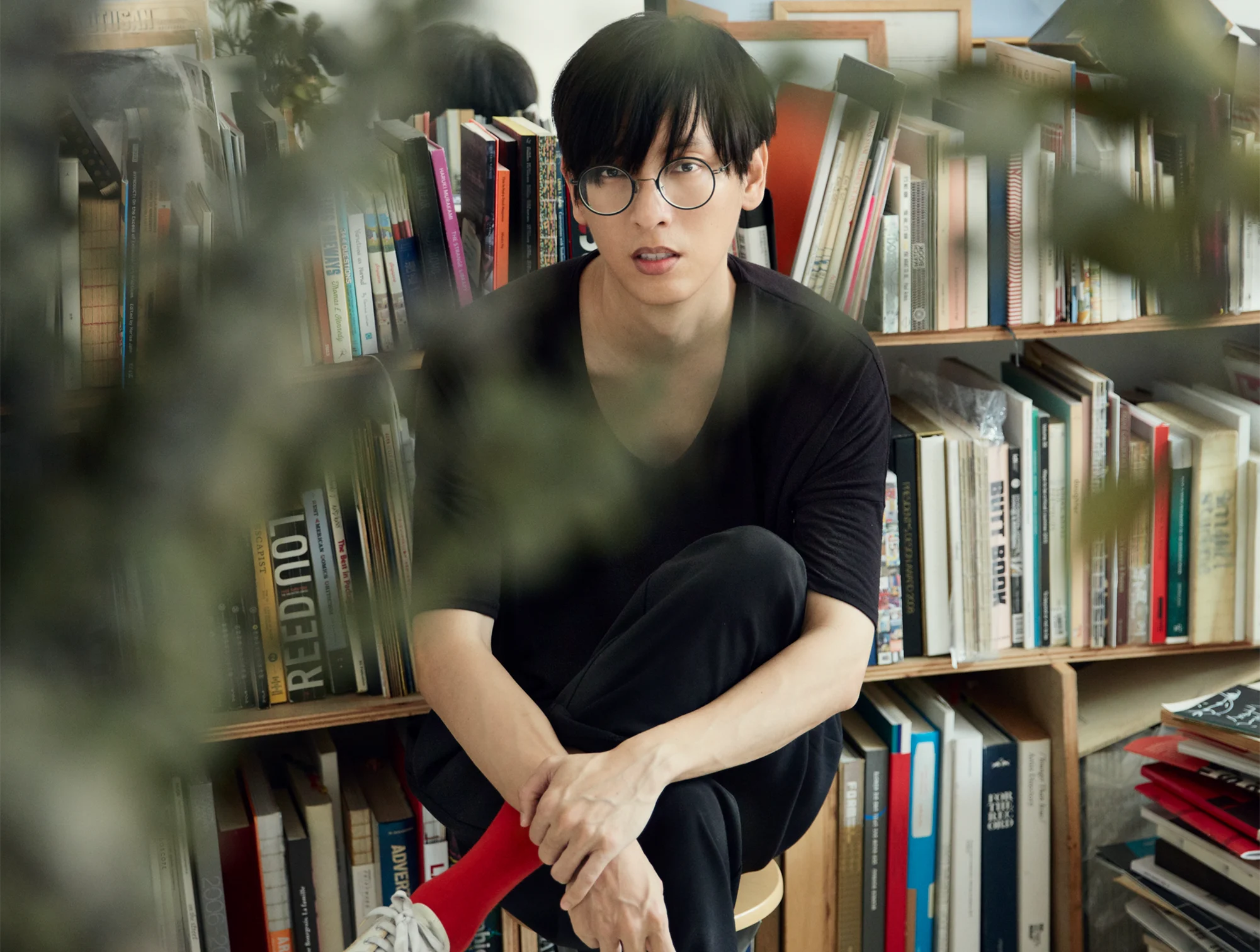
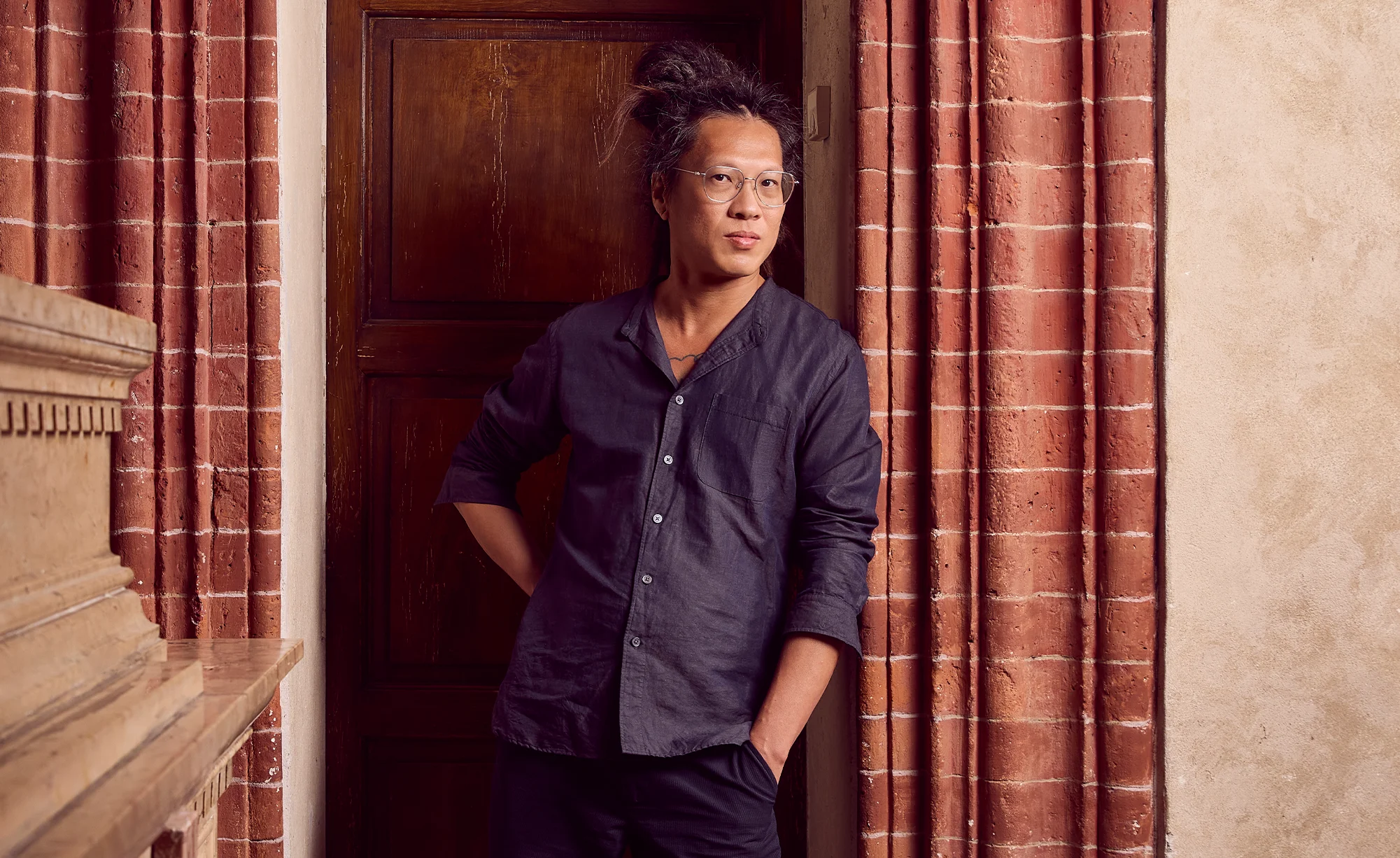
Up next in our Singapore Design in Focus series, we speak with Jarrod Lim, Founder and Designer of Jarrod Lim Design, a Singapore-based studio whose focus spans product design, branding, art direction, interiors, and exhibitions.
Born to a Singaporean father and an Australian mother, Lim trained in industrial design in Melbourne before working at Patricia Urquiola’s studio in Milan and later for SCP, a UK design and furniture manufacturer.
He moved to Singapore in 2007 and established Jarrod Lim Design Studio in 2011. Describing his approach to design, Lim writes on his website: “Curiosity is my favorite design tool—sometimes it leads to a clever twist, other times to a shape that simply feels right. I love when a piece surprises you, makes you pause, or even sparks a grin.”
For Lim, manufacturing is not something that happens after design. Materials, production methods, cost, and the knowledge of the people making a product are part of the creative process from the beginning, he says, and a limitation often becomes the detail that gives the design its character.
During our interview, he recalls arriving in a Singapore design scene that felt young and quite adventurous. Since then, he says, design has become much more visible, with businesses better understanding what designers can contribute. The challenge now, he says, is turning more of that visibility into work that lasts.


I think Singapore design is shaped by its position in Southeast Asia. We are surrounded by the craft traditions of Indonesia, Malaysia and Thailand, close to the manufacturing strength of China, but Singapore itself is very modern and internationally focused. It is a real mix of influences rather than one obvious visual style.
My own background reflects that. I grew up between Singapore and Australia, trained in Australia and later worked in London and Milan before building my practice here. My work can take me from a factory floor in Indonesia or China to a luxury hotel or private residence.
I think being able to move comfortably between those different worlds is a very Singaporean strength.
Design has always been part of Singapore’s development, even when it wasn’t really called “design.” Housing, transport and public services all had to work within limited space and resources. Singapore became very good at looking at what worked elsewhere, adapting it and making it work efficiently on this small island.
Design has always been part of Singapore’s development, even when it wasn’t really called “design.” Housing, transport and public services all had to work within limited space and resources.
Even since I moved here in 2007, I think the understanding of design has evolved considerably. It was once more common for companies to see design as decoration added to make a product look good.
Now there is a much stronger understanding of design as a way of thinking – something that shapes how a product works, how a service is experienced and how people interact with the world around them.
I think it moves in waves. Clients were actually very adventurous when I arrived in 2007, before the financial crisis. When the economy is strong, people are usually more willing to experiment.
When conditions become uncertain, they naturally become more cautious. COVID was another period that changed how companies assessed risk and made decisions.
Instead of adding complexity, I look for one detail or functional idea that can give the product a clear identity without making it unrealistic to manufacture.
Many of my projects begin with ambitious expectations and tightly controlled costs. I enjoy that tension because it forces the design to become more focused. Instead of adding complexity, I look for one detail or functional idea that can give the product a clear identity without making it unrealistic to manufacture.
Drawings, prototypes and material tests help the client see how that idea can work in practice, so an unfamiliar direction begins to feel less risky.
When I moved here in 2007, the design scene felt young and quite adventurous. There was a lot of excitement about what Singapore design could become, and companies seemed willing to try new things.
Since then, design in general has become much more visible. There are more programmes, exhibitions and opportunities to present Singapore design internationally, and businesses have a better understanding of what designers can contribute.
I think the challenge now is turning more of that visibility into work that lasts. Products that reach the market, businesses that really embrace design thinking and a real production effort that continues after an exhibition or launch.


I prefer a clear brief with enough room for surprise. It should explain who we are designing for and what the project needs to achieve, without deciding the answer in advance.
Often a limitation becomes the detail that gives the design its unique character.
I do not see manufacturing as something that happens after design. Materials, production methods, cost and the knowledge of the people making the product are part of the creative process from the beginning. Often a limitation becomes the detail that gives the design its unique character.
For me, the best result still carries the energy of the original idea, but feels completely natural once it has been made.
I think Singapore’s design schools give students plenty of freedom to experiment, which is important. The bigger challenge often begins when they enter the industry, where there can be an expectation that the first idea or prototype should already be the final product.
When I worked in Patricia Urquiola’s studio in Milan, I was surprised by how much it felt like a very good university studio. It was energetic and experimental, with models, materials and ideas being tested constantly. But everyone also understood the client, the manufacturer and how the product would eventually be made. The experimentation was part of producing a commercially successful design, not separate from it.
I think young designers would benefit from more experience of genuine iteration, together with manufacturers and businesses that understand why the process matters and how long it can take.
Many products shown in Milan and other international exhibitions have been refined over several years. In Singapore and across much of Asia, companies often expect a similar result in much less time and with a much smaller budget. I have experienced that mismatch many times.
I think young designers would benefit from more experience of genuine iteration, together with manufacturers and businesses that understand why the process matters and how long it can take.
Learn how things are made. Visit factories and workshops, speak to craftspeople and technicians, and pay attention to materials and construction. The people making a product often know things you will never learn from a drawing, computer model or AI. AI may help generate possibilities, but it cannot replace the practical knowledge and the lateral thinking needed to solve a simple joint or make something work in production.
Stay curious outside design as well. Business, engineering, culture, technology and everyday behaviour can all influence your design thinking.
And do not become too attached to the first version of an idea. Good design normally takes time and several attempts. The important thing is to understand what makes the idea special and protect that as the design develops.
The work I did with Royal Selangor is especially meaningful to me because the company genuinely respects design and the time needed to refine it. The Crystalline and Savoy collections were developed through many rounds of prototypes, material tests and finishing studies. Everyone cared about the result – not only me as the designer, but also the model makers, craftspeople and the production team.
I am particularly proud of pieces such as the Savoy pen and clock. Royal Selangor kept pushing for finer surface details and better finishes until everyone was happy. That experience showed me that an Asian brand can create products with the same patience, care and ambition that we often associate with leading European brands.
At the other end of the spectrum is the Aki stool, which I developed for a Taiwanese company and which was manufactured in China at a very low cost.
But even within that limited production budget, we created something refined and elegant that I was very proud of.
Together, these projects show what I enjoy most about design – finding the right expression of quality for very different markets and production conditions. And using these restraints/conditions to inspire that special something that makes the design unique.
Changi Airport. People who live here can immediately recall the feeling of landing at Changi. There’s this sense of relief and calm when you touch down. From immigration to collecting your bags, everything normally works so smoothly.
To me, that is the epitome of Singaporean design – make it work well and make it beautiful, whether it is a service, an interior or a product.
Maybe I have been through the airport too often recently, but I would love to work with Singapore Airlines. I admire their attitude towards design. They keep experimenting and improving while maintaining a sense of excellence and respecting their legacy. Even in details passengers may never consciously notice.
Honestly, it may be leaving Singapore and then coming back. Travel gives me new references, and returning makes me notice familiar things differently.
What Singapore does well, what could be improved and how people live and use things compared with the lifestyles of people in other countries. That contrast is often more useful to me than looking for inspiration in one particular place.


To learn more, visit www.jarrodlim.com
All images provided by Jarrod Lim