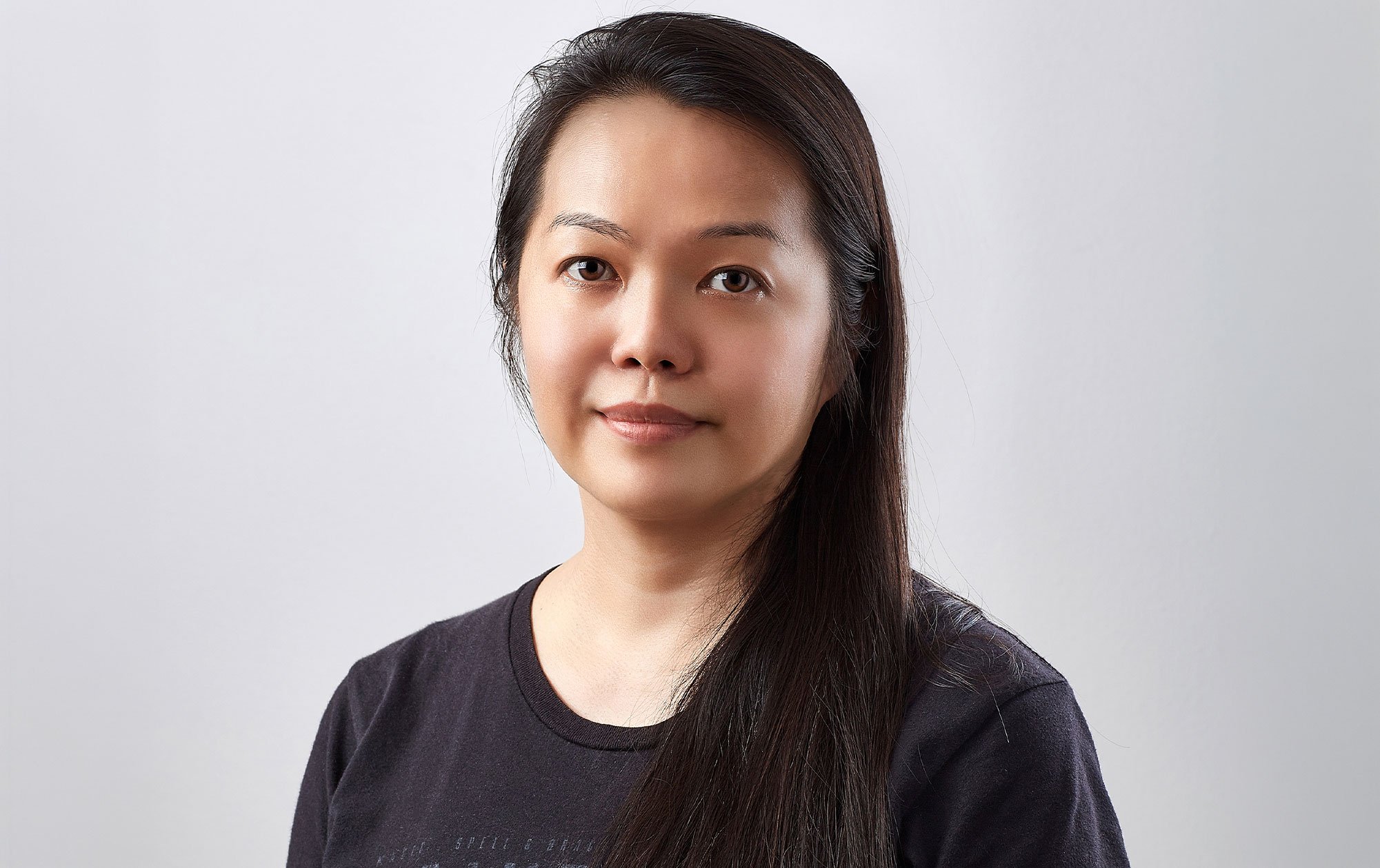
Up next in our Singapore Design in Focus series, we speak with Jingle Chen, Founder and Director of Branding and Design at The Brand Fellows, a Singapore branding and design company. With two decades of experience across design, branding, change management, and UI/UX, Chen is also the author of *Built to Align*, a book examining how brand, business efficiency, and customer experience can work together to support long-term growth.
For Chen, branding should begin not with design, but with alignment. Too often, she says, businesses rush into logos, campaigns, and websites before establishing what they stand for, whom they want to reach, and whether they can consistently deliver on their promises. Without that groundwork, even good design can become largely cosmetic.
It’s a philosophy reflected in The Brand Fellows’ approach, which considers how a brand’s positioning, business operations, and customer experience work together. Chen also believes that encouraging clients to embrace bolder creative ideas requires more than presenting something different. The key, she says, is helping them understand why an idea is relevant and how it creates value.
What sets Singaporean design apart from the rest of the world?
Singaporean design is an amalgamation and fusion of the East and West. As a global hub, “Singaporean design” is distinctively well-balanced, professionally executed, and highly adaptable across cultures and markets.
What sets us apart is our instinct for synthesis. We are constantly exposed to different cultures, languages, aesthetics and ways of thinking. Therefore, Singaporean designers tend to be comfortable navigating between contrasts of tradition and modernity, Asian sensibilities and Western influences, creativity and commercial pragmatism.
There is also a certain discipline in Singaporean design. We tend to value clarity, functionality and refinement, but increasingly, the best work coming out of Singapore is also becoming more confident in expressing identity, emotion and cultural nuance.
Singaporean designers tend to be comfortable navigating between contrasts of tradition and modernity, Asian sensibilities and Western influences, creativity and commercial pragmatism.
To me, Singaporean design is not defined by a single visual style. Its strength lies in its ability to understand different worlds, distil them intelligently, and create something that feels relevant both locally and internationally.

Singapore has transformed dramatically since its founding. How has the role of design evolved alongside it?
Singapore’s design evolution mirrors the country’s own transformation, from solving practical problems of nation-building to shaping identity, experience and global relevance.
In the early years, design was largely functional: housing, infrastructure, public communication and systems that supported rapid development.
Today, design is no longer just about aesthetics or function. It is about integration, connecting brand, business, technology and human experience.
As Singapore matured, design became more strategic, influencing how businesses differentiate, how services are experienced and how the nation presents itself to the world.
Today, design is no longer just about aesthetics or function. It is about integration, connecting brand, business, technology and human experience. Its role has evolved from making things work to making them meaningful and memorable.

Do you find that clients have become more willing to make bold design choices over the years? How do you encourage them to embrace innovative design?
Yes! Clients today are generally more exposed to global design trends and more aware that differentiation matters, so there is greater openness to bolder ideas. That said, boldness for its own sake is rarely the objective.
I usually encourage clients to see innovative design through the lens of strategy rather than aesthetics. If a design choice can be clearly linked to the brand’s positioning, business objectives and customer experience, it becomes much easier for stakeholders to support it.
I usually encourage clients to see innovative design through the lens of strategy rather than aesthetics.
The key is to reduce the perceived risk of creativity by giving it a rationale. When clients understand not only what is different, but why it is relevant and how it creates value, they become much more willing to push boundaries.
The Brand Fellows has described brand consulting as taking a more holistic approach, ensuring the foundational brand strategy is solid before marketing activities begin. Tell us more about that distinction and how it shapes your approach to design.
After spending two decades in the field of design, branding, change management and UI/UX, I have advocated that branding should not begin with design but with alignment.
A lot of marketing activity starts too quickly with the visible outputs, for example a logo, campaign, website or social content, before the organisation has fully defined what it stands for, who it is trying to reach, how it wants to be perceived, and whether the business itself can consistently deliver on that promise. When that foundation is weak, even good design can become largely cosmetic.
This is where our BBE model comes in. We look at a brand through three interconnected dimensions: Brand, Business Efficiency and Customer Experience. The brand defines the promise and position. Business efficiency determines whether the organisation has the people, processes and capabilities to deliver it. And customer experience is where that promise is ultimately tested in the real world.
After spending two decades in the field of design, branding, change management and UI/UX, I have advocated that branding should not begin with design but with alignment.
That thinking fundamentally shapes our approach to design. We do not see design as decoration, but as a strategic expression of the business. Every visual decision from identity and messaging to digital interfaces and physical touchpoints should reinforce the intended brand position while also working operationally and improving the customer experience.

So the question we ask is not simply, “Does this look good?” but, “Is this true to the brand, does it work for the business, and does it create the right experience for the customer?” When those three are aligned, design becomes far more powerful because it is not merely communicating the brand but helping the organisation deliver it.
When approaching a project, do you prefer the clarity of a set brief or the flexibility of creative freedom? What makes that balance important for you?
I value both, because the best work usually comes from having clarity on the problem but freedom in how we solve it.
For me, the balance is important because design should never be constrained by the brief, but it should always remain accountable to the problem it is meant to solve.
A strong brief gives us the strategic boundaries, like the audience, objectives, business context and desired outcome. Creative freedom then allows us to challenge assumptions, explore unexpected directions and find solutions that may not have been obvious at the outset.
Too much structure can limit innovation, while too little can result in creativity without purpose. For me, the balance is important because design should never be constrained by the brief, but it should always remain accountable to the problem it is meant to solve.
AI is a growing part of the conversation in design. How do you see its role in the industry, and how has it shaped your own workflow?
It has facilitated the communication of ideas between the client with us, helping us access images that are otherwise not available in stock image libraries or beyond the campaign budget. However, some clients have also requested us to re-create images to look “less AI” after they have generated AI images from platforms, proving that factual realistic representation of images still outweighs aesthetics that has a questionable source.
What’s something about breaking into design in Singapore that you wish someone had told you when you started out?
Building a trustworthy relationship with the client is equally as important (if not more important) than getting the brief right.
Could you share a project from your own work that stands out as especially meaningful or impactful to you? (Share links, images, or videos)
I am extremely grateful and proud to have worked with some of the world’s leading hospitality brands. The Annual Reports I collaborated on with Marina Bay Sands and Banyan Group stand out because they bring together strategy, storytelling and design to communicate complex business narratives with clarity and impact.


Both brands operate at an exceptional global standard, so being entrusted to work on these projects is something I value deeply. It is also a quiet affirmation that The Brand Fellows is able to deliver work that meets the expectations, rigour and brand standards of some of the best in the industry.


Quick Hits
Something symbolic of Singaporean design that someone visiting Singapore should see that isn’t widely known:
Tiong Bahru Estate is somewhere I would recommend going for a chill. It is a good example of how Singaporean design has often been less about inventing a completely new visual language and more about intelligent adaptation.
And not to say the quaint shop houses and local coffeeshops with porridge, pastries and Nanyang coffee to spend the whole day with.
A Singaporean designer or artist you’d love to collaborate with or have been inspired by:
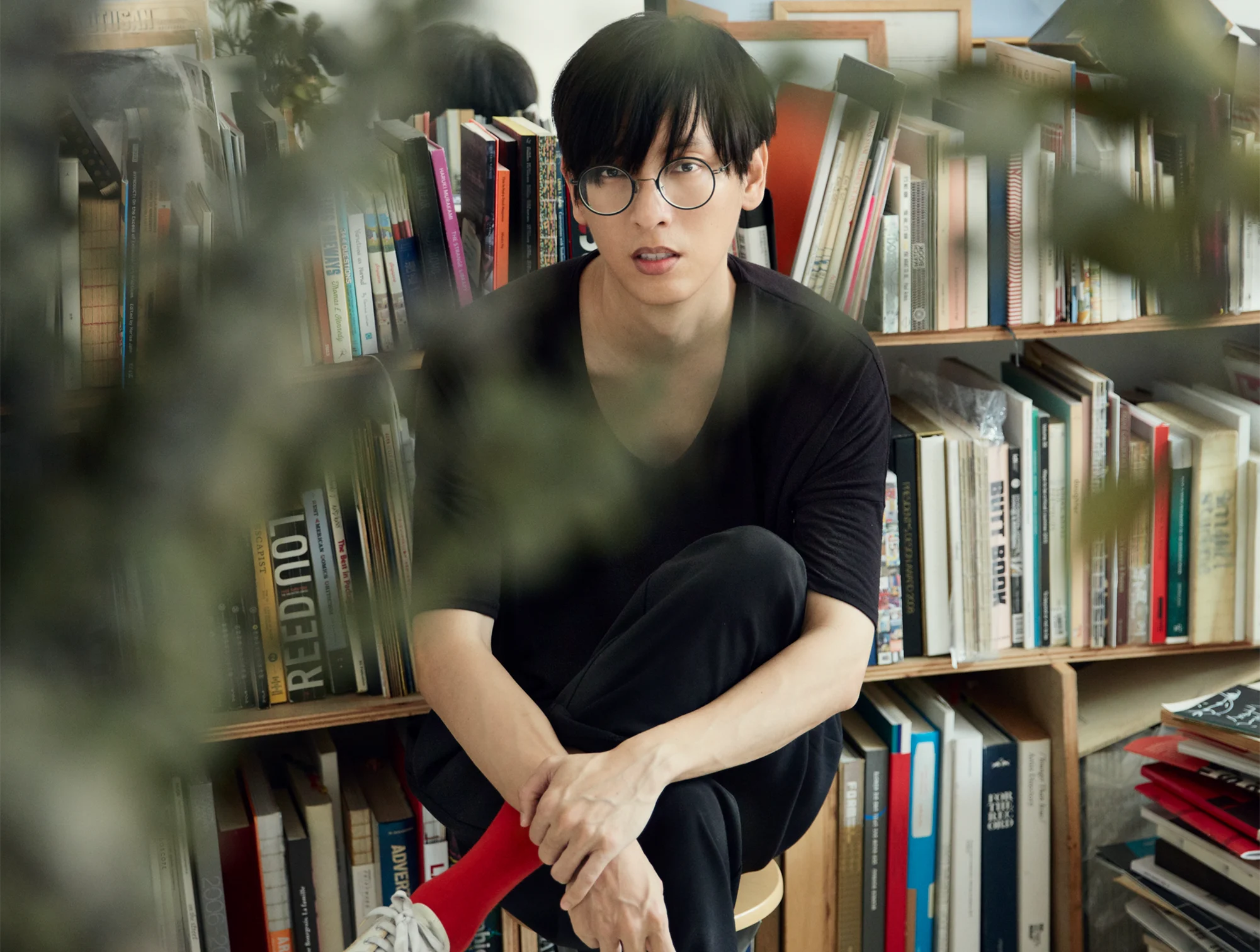
We admire Stuck because, like us, they begin every project by understanding how people actually live and use things. We build brands, identities and packaging for FMCG, consumer and public sector clients. Stuck designs the products and experiences behind them. Working together, our clients would get one brand story carried through from the shelf to the hands of the user.