We are dedicating the entire month of March to spotlighting voices from across the industry as part of our IWD Voices series. Leaders will share their journeys, experiences, insights, and the lessons that have shaped them.
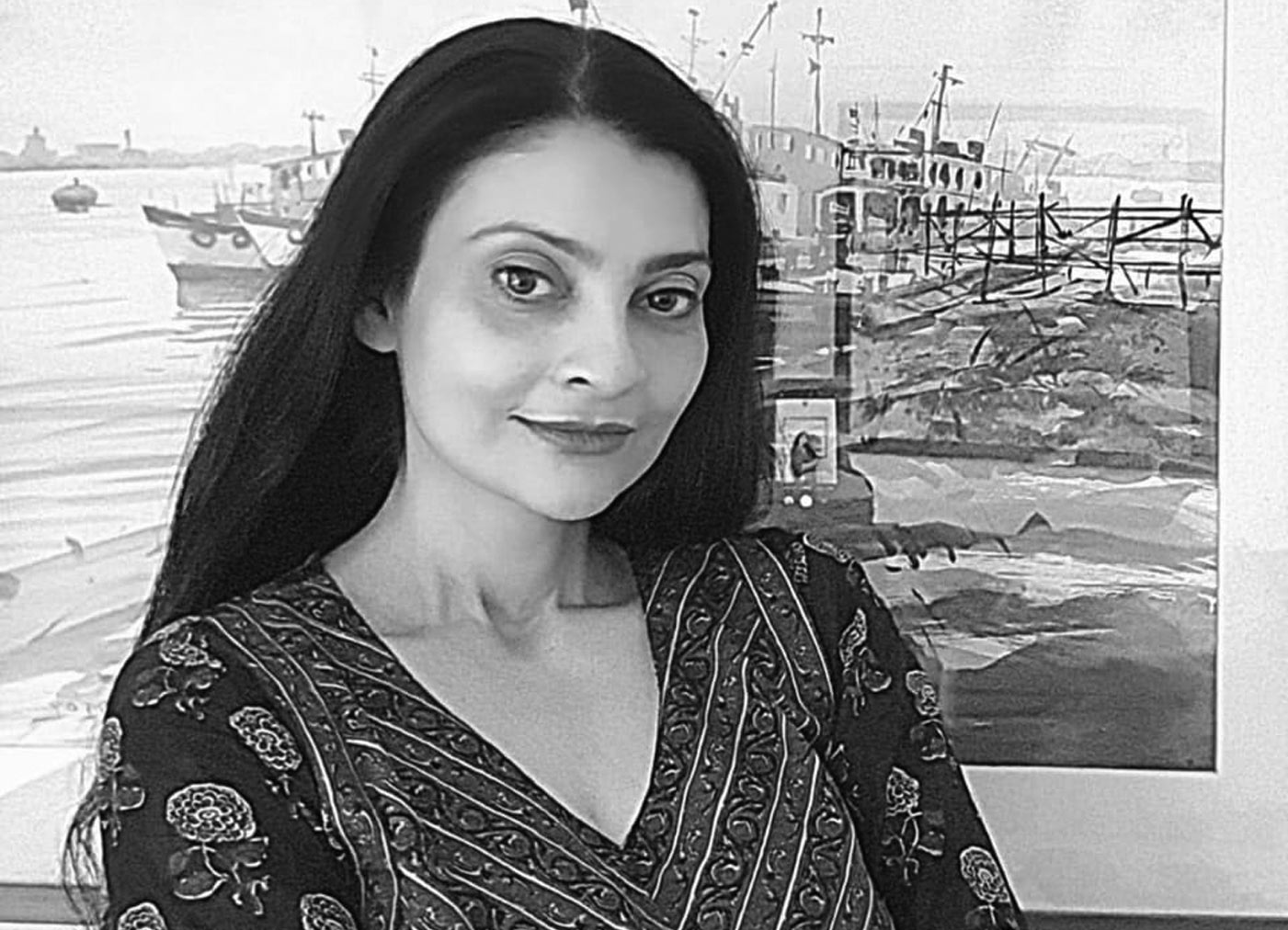
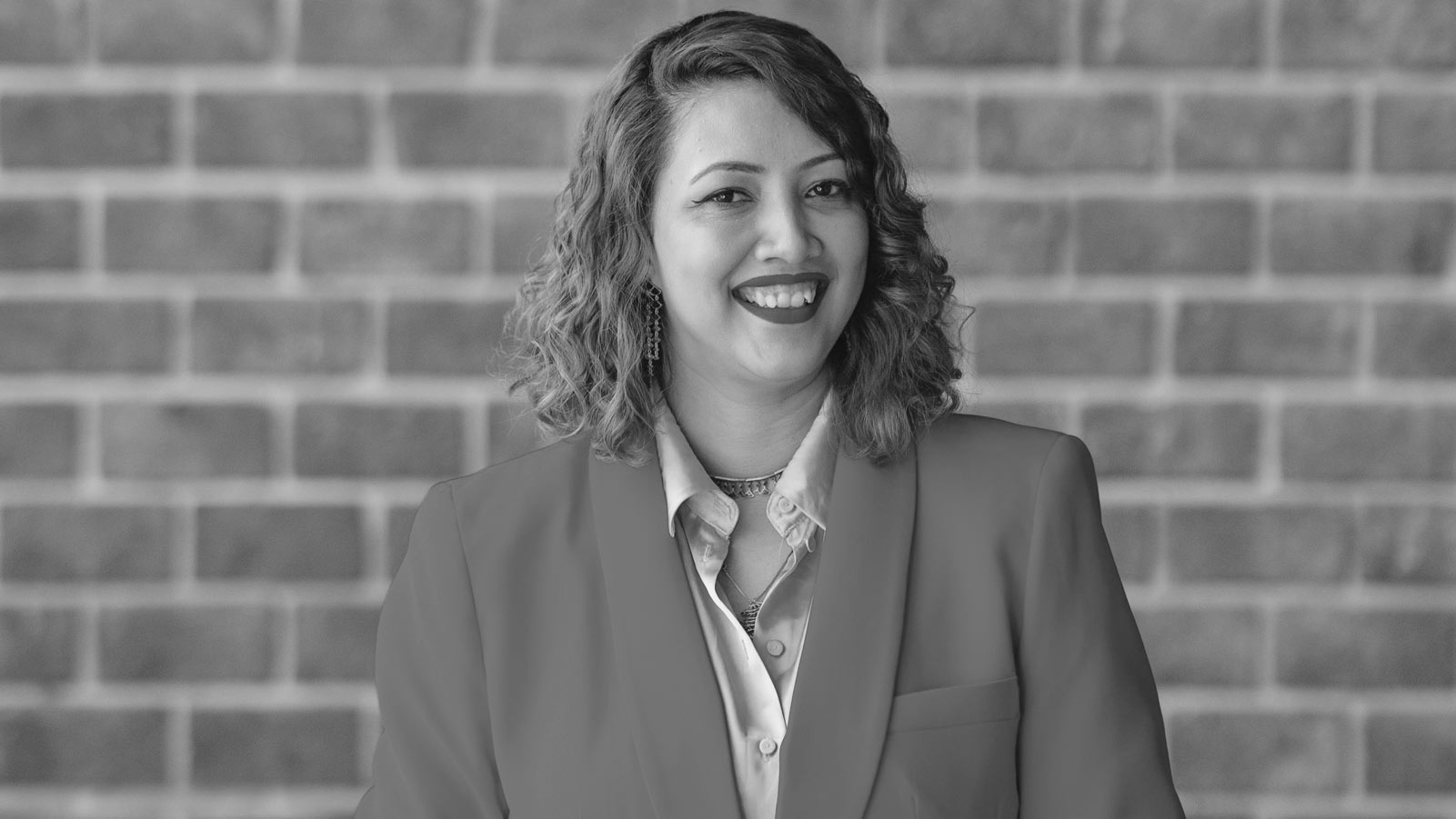
Next up, we speak with Kinjal Vora, Growth Leader at DronaHQ.
In our conversation, Kinjal reflects on what this year’s IWD theme means to her and makes the case that real inclusion is visible in small, everyday decisions — who receives credit, who gets invited into conversations, and who is encouraged to lead. She also speaks to where workplaces still fall short, noting that while policies around caregiving and career breaks exist, the culture behind them has not kept pace.

She also discusses the value of sponsorship, arguing that having advocates speak for women in rooms they have not yet entered matters as much as mentorship, and how confidence builds when women are trusted with genuine responsibility.
The theme for International Women’s Day 2026 is “Rights. Justice. Action. For ALL Women and Girls.” What does this mean to you professionally and personally?
For me, this theme is very practical.
Rights mean having equal access to opportunities, conversations, and growth. Justice means not accepting mediocre treatment or being overlooked silently. Action is where it becomes real speaking up when something feels unfair, supporting other women, and practicing respect consistently.

Professionally, it means creating environments where women feel heard and trusted. Personally, it means not normalizing discomfort or silence. I’ve learned that change doesn’t happen only through big gestures. It happens in small everyday actions who gets credit, who gets invited into discussions, who is encouraged to lead.
What first drew you to your industry, and was there a defining moment that set your career in motion? Was there a role model who influenced you early on?
I started my career as a Field Design Engineer, working onsite and offshore. While I enjoyed the technical side, I often felt far from the customer’s real challenges. That curiosity to understand the business context behind the solution pushed me to explore beyond engineering.
There wasn’t one dramatic turning point. It was gradual. I wanted to see value more closely and understand customer psychology, not just technology.
Early on, I admired women like Sudha Murty and Kiran Mazumdar-Shaw for building credibility in spaces that weren’t naturally welcoming. I also learned a lot from managers who showed me how trust and responsibility help people grow.
How has your understanding of fairness changed as you’ve gained experience and seniority?
As a junior, fairness meant policies — equal training, promotions, opportunities. It felt structural.
With experience, I see fairness more as trust and value creation.
With experience, I see fairness more as trust and value creation. Are people given meaningful responsibilities? Are they supported to grow? Are contributions acknowledged?
Today, I believe fairness is closely linked to progress. When individuals grow and feel trusted, businesses grow too. It’s less about sameness and more about enabling people to contribute fully.
As conversations around women and work have evolved, what do you think has genuinely improved—and where do you think more attention and action are still needed?
There are definitely more seats at the table now. Mentorship is more common, and conversations around flexibility and work-life balance are more open. That has helped many women continue their careers without feeling forced to choose.
More attention is needed on how workplaces support different life stages – childbirth, caregiving, career breaks.
But more attention is needed on how workplaces support different life stages – childbirth, caregiving, career breaks. Policies exist, but culture needs to evolve alongside them. Women also need more sponsorship from people who actively advocate for them in rooms they are not yet in.
Is there a project or initiative you’ve worked on related to women’s empowerment that you’re particularly proud of? What made it meaningful to you?
I’m proud of consistently mentoring women in my teams and giving them visibility in important conversations. Sometimes empowerment is not a large initiative; it’s inviting someone to present, encouraging them to take ownership, or helping them prepare for leadership interactions.
I’ve seen how confidence builds when women are trusted with responsibility. That quiet enablement has been meaningful to me.
What responsibility do senior leaders have in shaping more equitable workplaces, beyond statements or policies?
Senior leaders influence culture through daily behavior. Beyond policies, they need to model inclusion in who they listen to, who they give opportunities to, and how they distribute responsibility.
Leaders should create structured mentoring and allow flexibility without stigma.
Leaders should create structured mentoring and allow flexibility without stigma. Equity is not just about hiring more women; it’s about ensuring they can grow sustainably.
What is one change you would like to see in workplaces for the next generation of women?
I would like to see women step into authority earlier with confidence and financial awareness. Understanding negotiation, compensation, and long-term wealth is important.
I would like to see women step into authority earlier with confidence and financial awareness.
I also hope mentorship becomes more structured, so young women don’t have to navigate everything alone.
Quick Hits
A trend you are excited about (or not excited about):
I’m excited about AI as a productivity equaliser, especially for women balancing multiple roles. I’m cautious about blind reliance on AI without understanding how prompts shape responses and how hallucinations occur.
Critical thinking must grow alongside AI adoption.
A piece of advice that stayed with you:
“Deliver value worthy of the room you’re in.”