With International Women’s Day just past, we are continuing to spotlight voices from across the industry as part of our IWD Voices series. Leaders will share their journeys, experiences, insights, and the lessons that have shaped them.
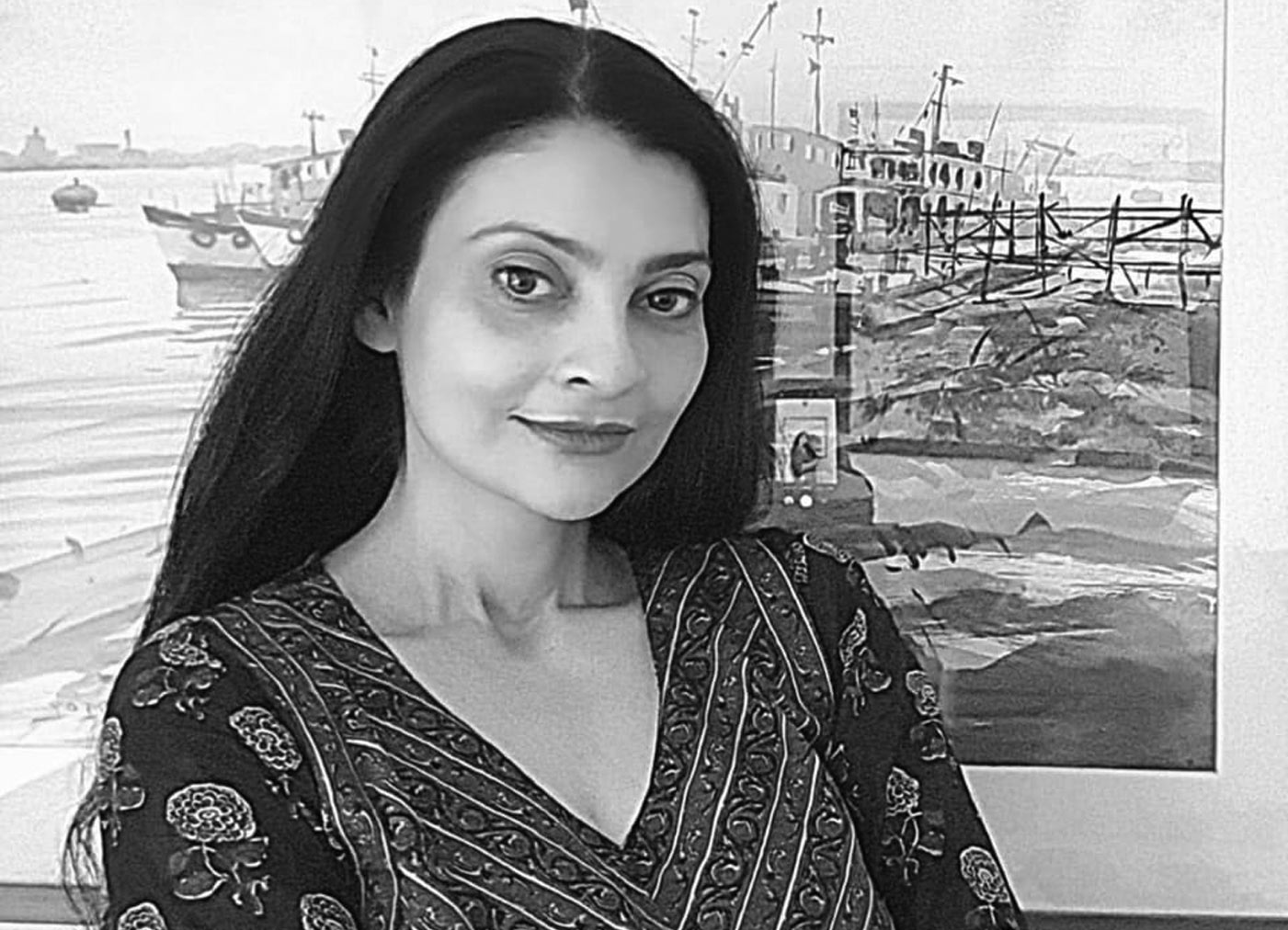
Next up, we speak with Swati Paranjpe, Co-Founder and Chief Creative Officer at Pollinate Labs.
In our conversation, Swati speaks to how the creative industry still lags in leadership representation despite strong female participation, and what structural support remains missing for women building ventures. She also addresses how her understanding of fairness has evolved with seniority, moving from equal opportunity to equitable access.

She also discusses the responsibility of senior leaders to shape equitable workplaces through everyday behavior rather than policy, and reflects on her experience as a working mother and what it revealed about how few workplaces are designed around the realities of caregiving.
The theme for International Women’s Day 2026 is “Rights. Justice. Action. For ALL Women and Girls.” What does this mean to you professionally and personally?
To me, the emphasis on action is the most important part of that sentence. Rights and justice are principles we often agree with in theory, but action is what determines whether they translate into lived reality.
Professionally, it means creating environments where women may not have expected to see themselves—and then walking alongside them as they move from discovering their potential to finding ways to fulfil it, even when those opportunities don’t yet exist. Ultimately, it’s about creating opportunities to rise in ways that are meaningful to each individual.

The creative industry has always had strong female participation, yet leadership representation still lags. At the same time, it’s one of the few sectors where more women are building their own ventures. That’s encouraging, but what’s still missing is the kind of structural support—mentorship, funding access, and networks—that other entrepreneurial ecosystems often provide.
Personally, it reminds me that progress is collective. Whether as leaders within organizations or entrepreneurs building new ones, the responsibility is the same: to open doors, strengthen support systems, and make the path forward easier for the women who come next.
What first drew you to your industry, and was there a defining moment that set your career in motion? Was there a role model who influenced you early on?
What drew me to branding and design was the intersection of creativity and impact. Along the way, I discovered how powerful strategic and empathetic creativity can be. Meaningful, holistic thinking has the ability to influence not just brands, but culture, behaviour, business, and even the way an entire organization moves. At its best, it empowers people, ideas, communities, and possibilities that didn’t previously seem imaginable.
Interestingly, I didn’t always find leaders in my early creative roles who approached creativity through this lens of impact. Much of that perspective was shaped by experiences outside traditional creative work—through my stints with non-profit organizations and my involvement in wildlife conservation, community building, and human-rights communication. Seeking mentorship and inspiration beyond the immediate folds of the creative industry has played a big role in shaping how I think about the power of ideas.
How has your understanding of fairness changed as you’ve gained experience and seniority?
Earlier in my career, fairness often felt like equal opportunity. Over time, I’ve realised it’s really about equitable access—recognising that different people face different barriers along the way.
It’s about opportunity, visibility, mentorship, and sponsorship—who gets credit for ideas, who is invited into important conversations, and who is supported when they take risks.
Fairness also isn’t just about hiring or representation. It’s about opportunity, visibility, mentorship, and sponsorship—who gets credit for ideas, who is invited into important conversations, and who is supported when they take risks.
As leaders, we have to stay conscious of these dynamics, because they shape careers—and lives—in subtle but powerful ways.
As conversations around women and work have evolved, what do you think has genuinely improved—and where do you think more attention and action are still needed?
What has genuinely improved is the openness of the conversation. Topics like pay equity, leadership representation, and workplace culture are no longer whispered about—they’re part of mainstream dialogue.
The next phase is redesigning systems that are built around people rather than compliance—so opportunity and access are more naturally embedded in how organizations function.
However, visibility doesn’t automatically mean resolution. One area that still needs attention is the structural side of work: how leadership pipelines are built, how flexible work is designed without penalizing personal needs or ambition, and how women are supported through different life stages.
We’ve made progress in acknowledging the problem. The next phase is redesigning systems that are built around people rather than compliance—so opportunity and access are more naturally embedded in how organizations function.
Is there a project or initiative you’ve worked on related to women’s empowerment that you’re particularly proud of? What made it meaningful to you?
One of the initiatives I’m most proud of is building Shellwin, a breast cancer community we created, designed, and nurtured to support women navigating the emotional and social realities of the illness.
The intention was to create a space that went beyond awareness and focused on dignity, solidarity, and shared strength. Through thoughtful communication and community design, we tried to move the narrative away from fear or sympathy toward resilience, openness, and support.
For me, it reinforced how powerful ideas can be when strategy and storytelling are used to bring people together—not just to communicate, but to create communities that help people feel seen, supported, and less alone.
What responsibility do senior leaders have in shaping more equitable workplaces, beyond statements or policies?
Leaders shape culture through behaviour more than policy.
It shows up in who they listen to, whose ideas they amplify, how they distribute opportunities, and how they respond to failure or risk-taking.
Leaders shape culture through behaviour more than policy.
Equity becomes real when leaders actively mentor, advocate for emerging talent, and question their own assumptions. Creating inclusive workplaces isn’t a one-time initiative—it’s an everyday leadership practice.
What is one change you would like to see in workplaces for the next generation of women?
I would love to see workplaces that value different leadership styles equally.
For a long time, leadership has been defined through a narrow lens—often prioritizing assertiveness and visibility over collaboration, empathy, or systems thinking.
I’d also love to see far more thoughtful and flexible systems for working mothers. Having recently adopted my daughter, I’ve become even more aware of how difficult it can be to balance work and caregiving. As a founder, I’m fortunate to have flexibility—but most women don’t have that advantage, because many workplaces simply aren’t designed with mothers in mind.
The next generation will thrive if organizations recognize that strong leadership can take many forms—and if work environments evolve to support the realities of life alongside ambition.
Quick Hits
A trend you are excited about, or not excited about
I’m excited by the growing intersection of creativity, strategy, and entrepreneurship. More women are building companies—not just careers within them.
A creative campaign or representation of women that inspired you or made you feel seen
#LikeAGirl by Always.
It reframed a phrase often used as an insult and turned it into something empowering. A powerful reminder of how storytelling can shift cultural perception.
A piece of advice that stayed with you longer than expected
“Don’t shrink your thinking to fit the room.”
A reminder that ideas grow when we allow ourselves to think expansively.