Though International Women’s Day is well behind us, we are continuing to spotlight voices from across the industry as part of our IWD Voices series, with leaders sharing their journeys, experiences, insights, and the lessons that have shaped them.
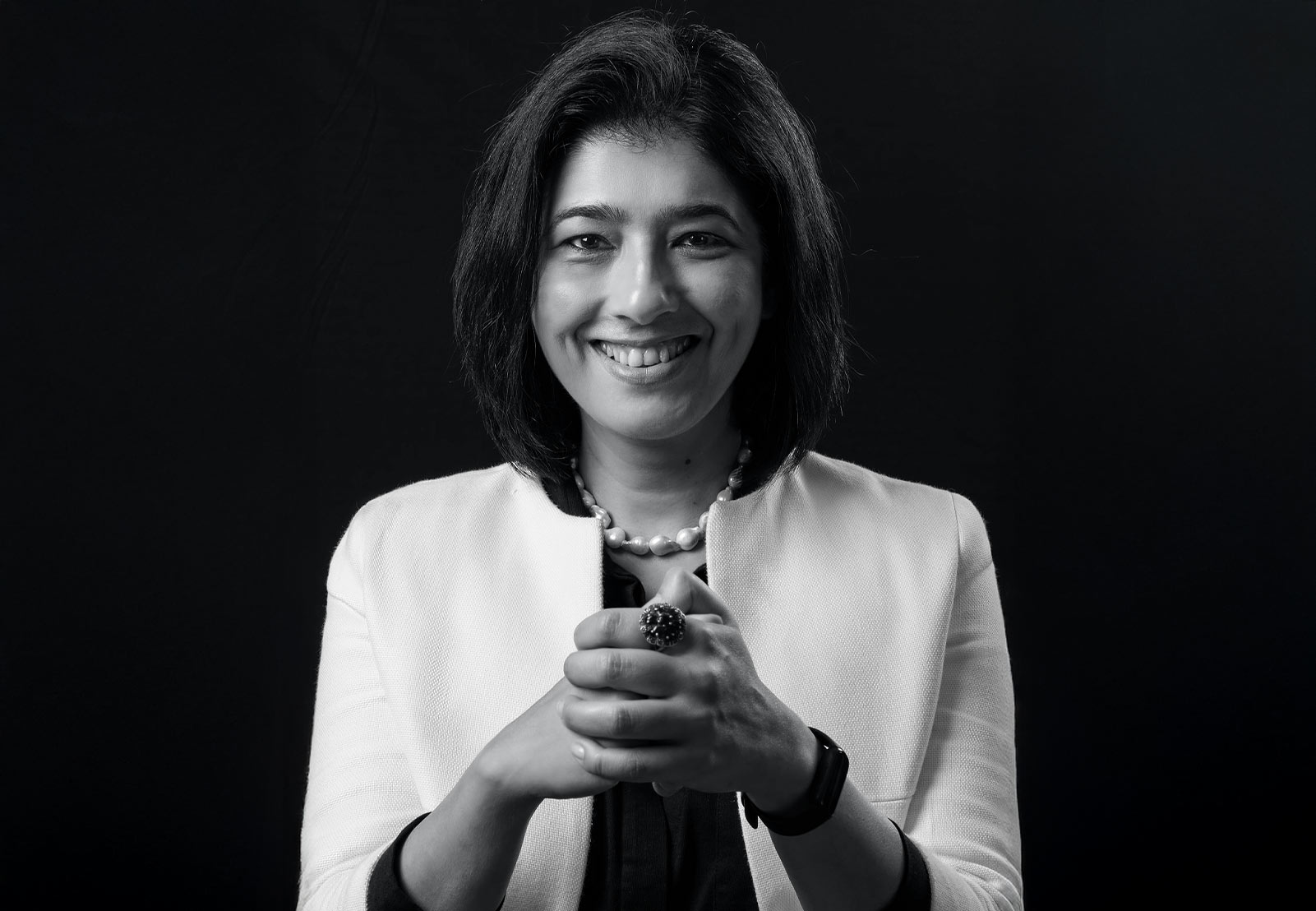
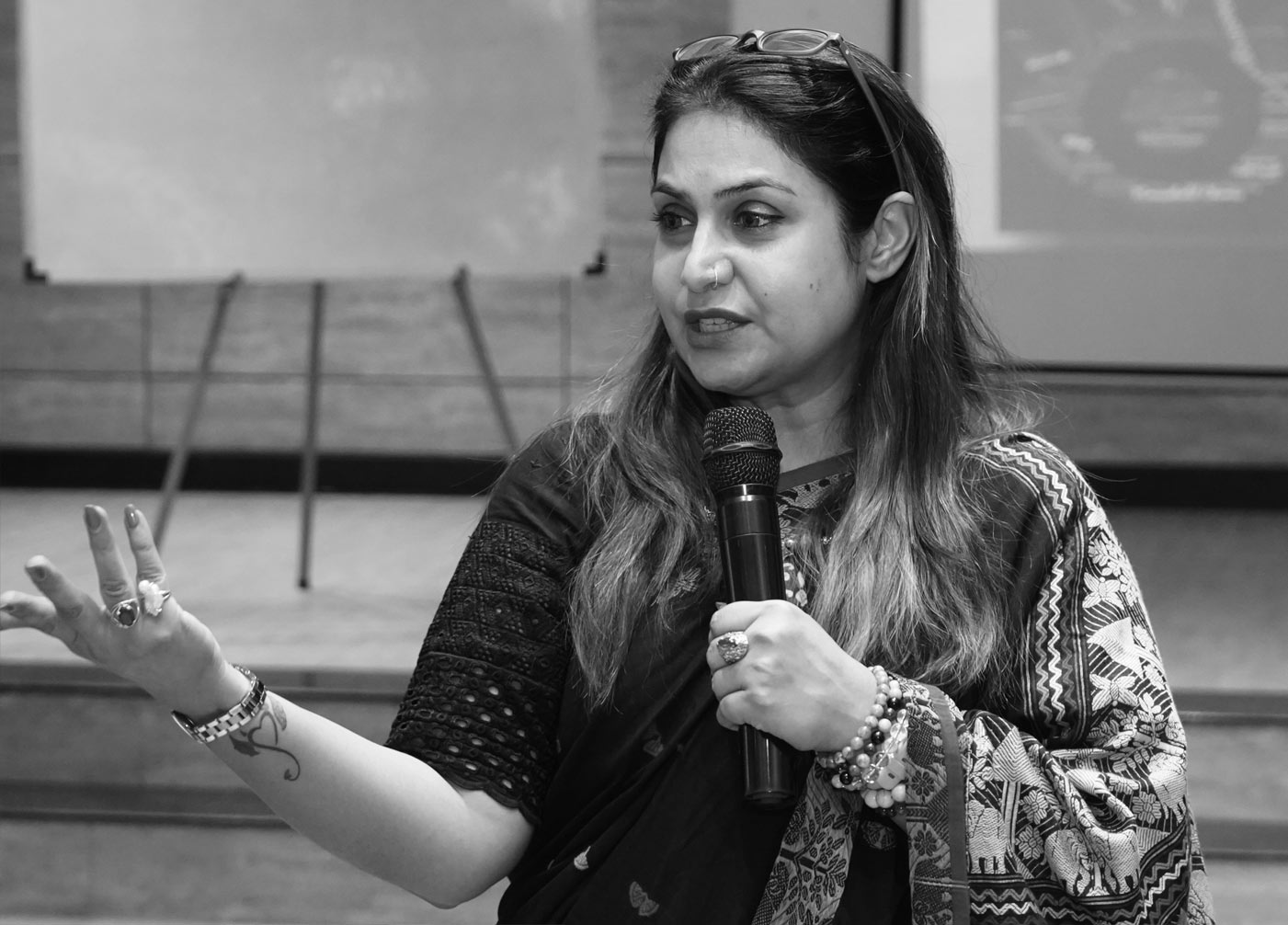
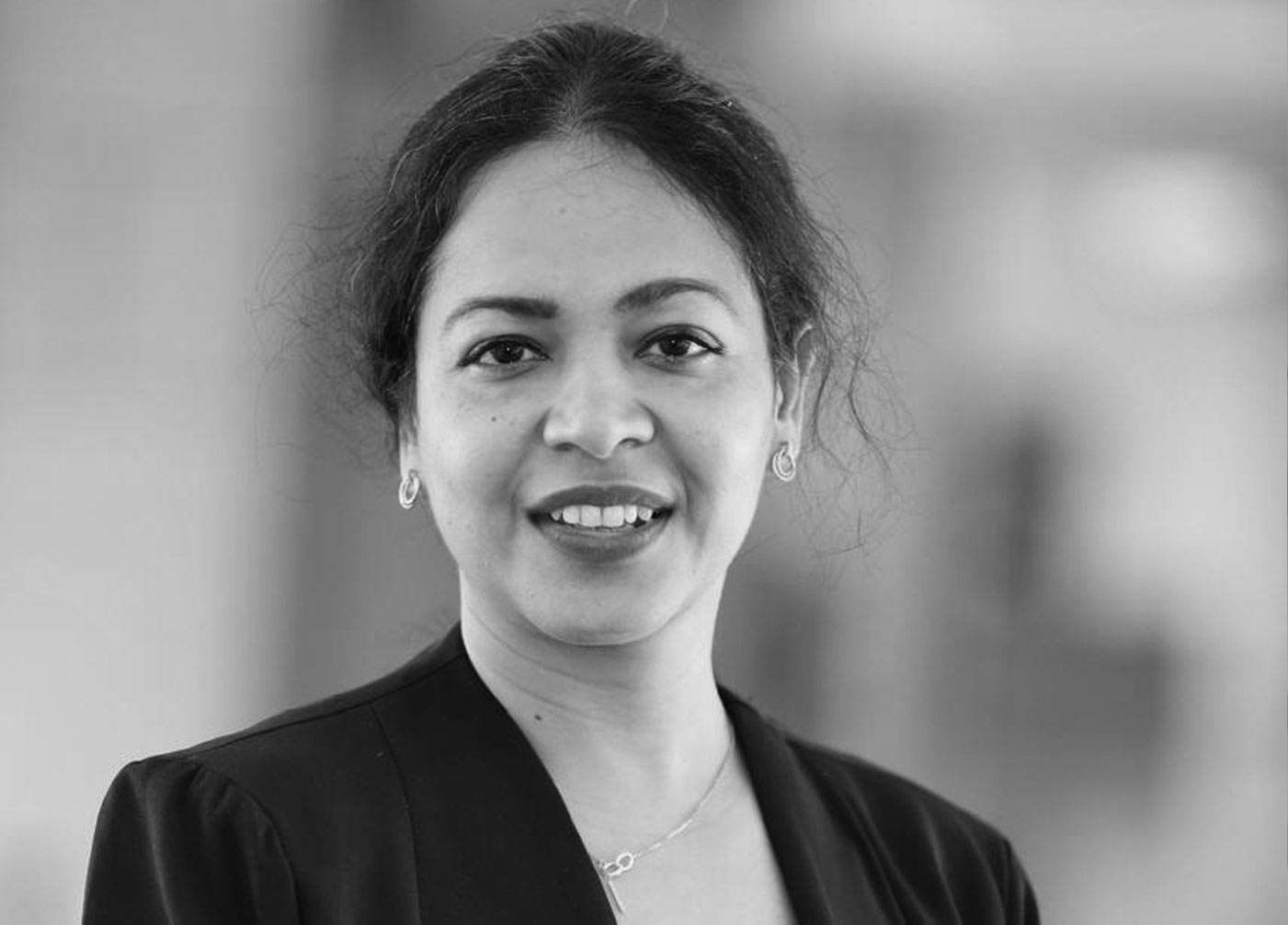
Next up, we speak with Riya Roy, Associate Brand Director at Yellow.
Riya reflects on what the IWD 2026 theme means to her personally, drawing on her upbringing and the gap between formal acceptance and genuine comfort with women’s success, and traces her path into the industry through a family where creativity and female leadership were simply assumed.

She also discusses how her understanding of fairness has shifted from access to being taken seriously, and what she believes senior leaders owe the next generation — not just space, but active investment in their potential.
The theme for International Women’s Day 2026 is “Rights. Justice. Action. For ALL Women and Girls.” What does this mean to you professionally and personally?
For me, this is not something abstract. It shows up in real, everyday situations.
I grew up in a family that gave me full freedom. I was never told I couldn’t do something because I was a girl. But reality is more layered than that.

I have an older brother, and I earn more than him today. My parents have always been fair, but outside that, you still feel it. In conversations, comparisons, and reactions that are never said out loud.
So for me, this is not just about being allowed to work. It is about being accepted in the position you reach, without it becoming uncomfortable for others.
Even when things are not said out loud, but are still very much there.
What first drew you to your industry, and was there a defining moment that set your career in motion? Was there a role model who influenced you early on?
There wasn’t a moment. It was already there.
I grew up in a house where creativity was not a career, it was a way of living. My grandmother was an actress, and more than that, she was the one who held the family together. She was the breadwinner. So much so that we carry her surname, something that, in India, almost always comes from the father.
That changes how you see things, even as a child. You don’t grow up questioning whether women can lead or build or provide. You grow up assuming they do. I moved through interior design, fashion, PR, and then marketing, but it never felt like changing directions. It was all part of the same language, just spoken differently.
I grew up in a house where creativity was not a career, it was a way of living. My grandmother was an actress, and more than that, she was the one who held the family together.
The real shift came when I started working at Yellow.
I was given opportunities I had not yet learned to ask for. Working on brands like Nykaa and Tiffany & Co. at a stage where I was still figuring myself out. I didn’t fully believe I was ready, but I was trusted anyway.
And then you see the work out in the world. Something you once spoke about in a room now exists, lives, moves, reaches people. That does something to you. It makes you realise that what you create can outlast you.
That was the moment things became real.
How has your understanding of fairness changed as you’ve gained experience and seniority?
I think when you start out, you believe fairness is about getting the same opportunities. Over time, you realise it is about how you are treated once you get them. I was lucky to be in a workplace like Yellow where I was given space, pushed to grow, and trusted with responsibility early on. That gave me a strong foundation.
But that does not mean everything around you is equal.
There are things you face that are not said directly. Early in my career, there were situations where I had to navigate behaviour that was not fully professional. You are trying to do your job well, but at the same time, you are also figuring out how to respond without creating friction.
No one teaches you how to deal with that. Over time, you learn that you don’t have to manage it. You create your own boundaries, and your work starts speaking louder than those situations. Fairness now feels less like access, and more like being taken seriously without having to prove it repeatedly.
As conversations around women and work have evolved, what do you think has genuinely improved—and where do you think more attention and action are still needed?
There is definitely more acceptance of women working, earning, and being independent.
But I don’t think we are fully comfortable with women being more successful.
We speak about equality in workplaces, but the real test is in personal spaces. Until that becomes comfortable, the idea of equality is still incomplete.
In India, especially within marriages and relationships, this still creates tension. When a woman earns more than her partner or becomes the primary earner, it quietly unsettles people. Sometimes it is not said directly, but you can feel it in behaviour, in expectations, in small shifts in how dynamics change.
A lot of families still struggle to accept this fully. And often, the burden of adjusting falls on the woman. To soften it, to not make it too visible, to not let it affect the relationship. Even women, at times, hesitate to fully own their success because of this.
We speak about equality in workplaces, but the real test is in personal spaces. Until that becomes comfortable, the idea of equality is still incomplete.
Is there a project or initiative you’ve worked on related to women’s empowerment that you’re particularly proud of? What made it meaningful to you?
I haven’t worked on a single defined initiative that is labelled as women’s empowerment. But over the years, I’ve had the chance to work closely with women in very senior positions, across some of the biggest companies and as entrepreneurs across different fields.
Being around women who have built something substantial, who carry responsibility, make decisions, and hold their ground, changes how you see your own path.
That, in itself, has been more meaningful than any one project.
Being around women who have built something substantial, who carry responsibility, make decisions, and hold their ground, changes how you see your own path. It pushes you to show up better, to think sharper, and to do justice to the work you’re creating for them.
It also gives you a sense of responsibility. Not just to deliver work, but to help build systems and narratives that reflect what they’ve created, so it can be seen, understood, and carried forward.
What responsibility do senior leaders have in shaping more equitable workplaces, beyond statements or policies?
I think the responsibility is to make things easier for the people coming in after you.
As leaders, the job is not just to assign work, but to create clarity.
There is a lot of talent and intent in younger teams, but many of them don’t know how to express it or stand behind it. Not because they lack ability, but because they haven’t been shown how.
As leaders, the job is not just to assign work, but to create clarity.
To make sure people are heard, to help them build confidence in their own thinking, and to remove unnecessary friction.
The idea is that they should not have to struggle with the same things we did.
What is one change you would like to see in workplaces for the next generation of women?
I think the responsibility is to make the possibility visible.
A lot of younger women come in with capability, but not always with belief. Not because they lack ambition, but because what they see around them, especially outside of work, still carries hesitation. You hear it in conversations, in families, in relationships. There is often a quiet doubt around how far they can or should go.
As leaders, our role is to counter that.
To create an environment where they can see, through their work, that growth, financial independence, and authority are all within reach. Not just in theory, but in practice.
That means giving them real opportunities, letting them take ownership, backing their decisions, and allowing them to prove to themselves what they are capable of.
It is not just about making space. It is about actively pushing potential forward, so they don’t question whether they belong there in the first place.
Quick Hits
A trend you are excited about, or not excited about
I’m interested in how audiences are starting to notice the difference between good aesthetics and good thinking. It’s pushing brands to be more intentional, not just visually appealing.
A creative campaign or representation of women that inspired you or made you feel seen
Nike’s Dream Crazier
It stayed with me because it reframed everything I had been taught growing up. I was always told to be composed, to be diplomatic, to not be too loud or too emotional. There’s an unspoken expectation for women to stay controlled, especially in professional spaces.
That campaign took everything that is usually seen as “too much” in women, anger, emotion, intensity, and turned it into strength. It made me realise that you don’t always have to soften yourself to be accepted. Sometimes the very things you’re told to hold back are the things that make you powerful.
A piece of advice that stayed with you longer than expected
You don’t need to speak louder, you just need to be sure of what you’re saying.