
Though International Women’s Day is behind us, we are continuing to spotlight voices from across the industry as part of our IWD Voices series, with leaders sharing their journeys, experiences, insights, and the lessons that have shaped them.
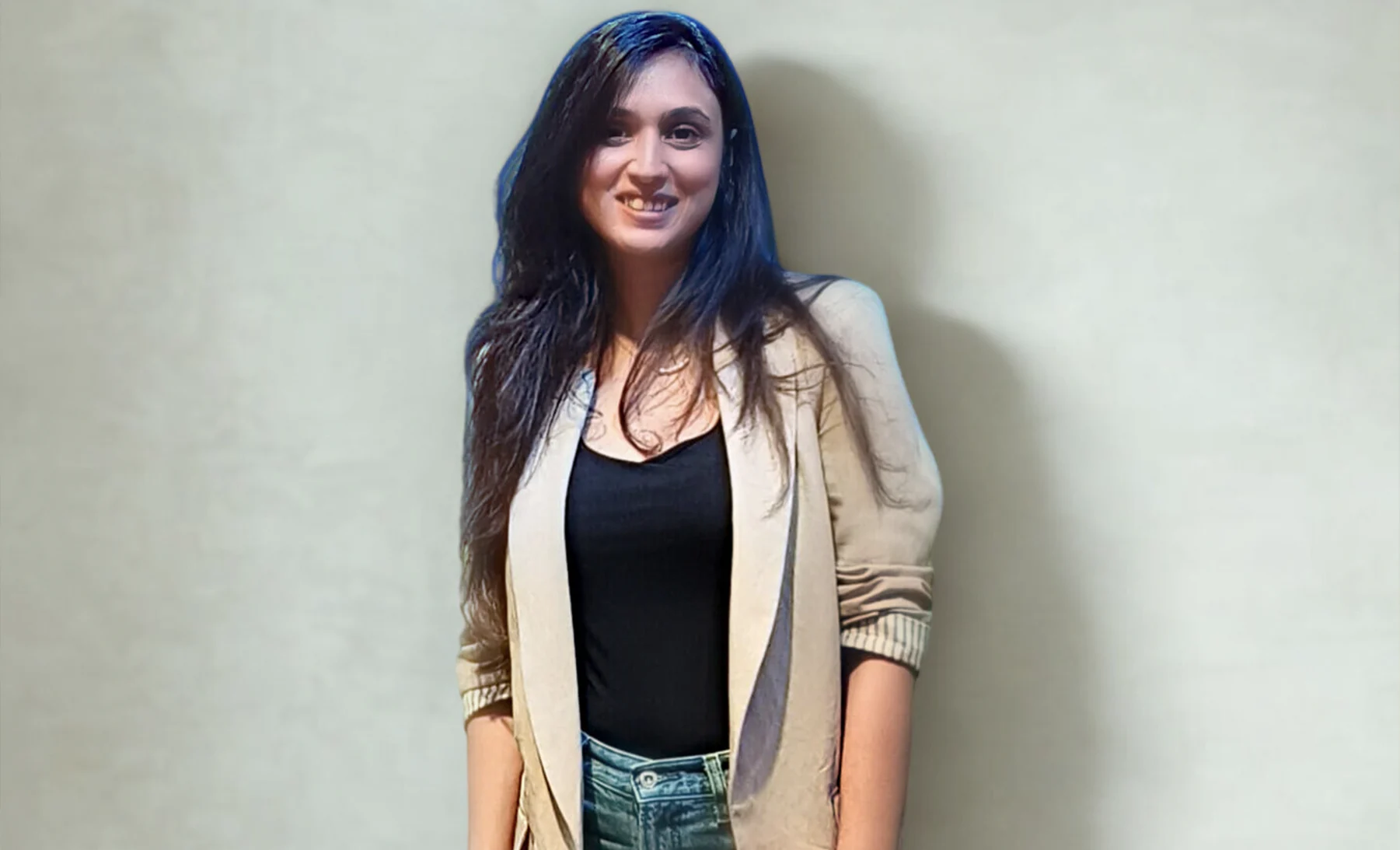
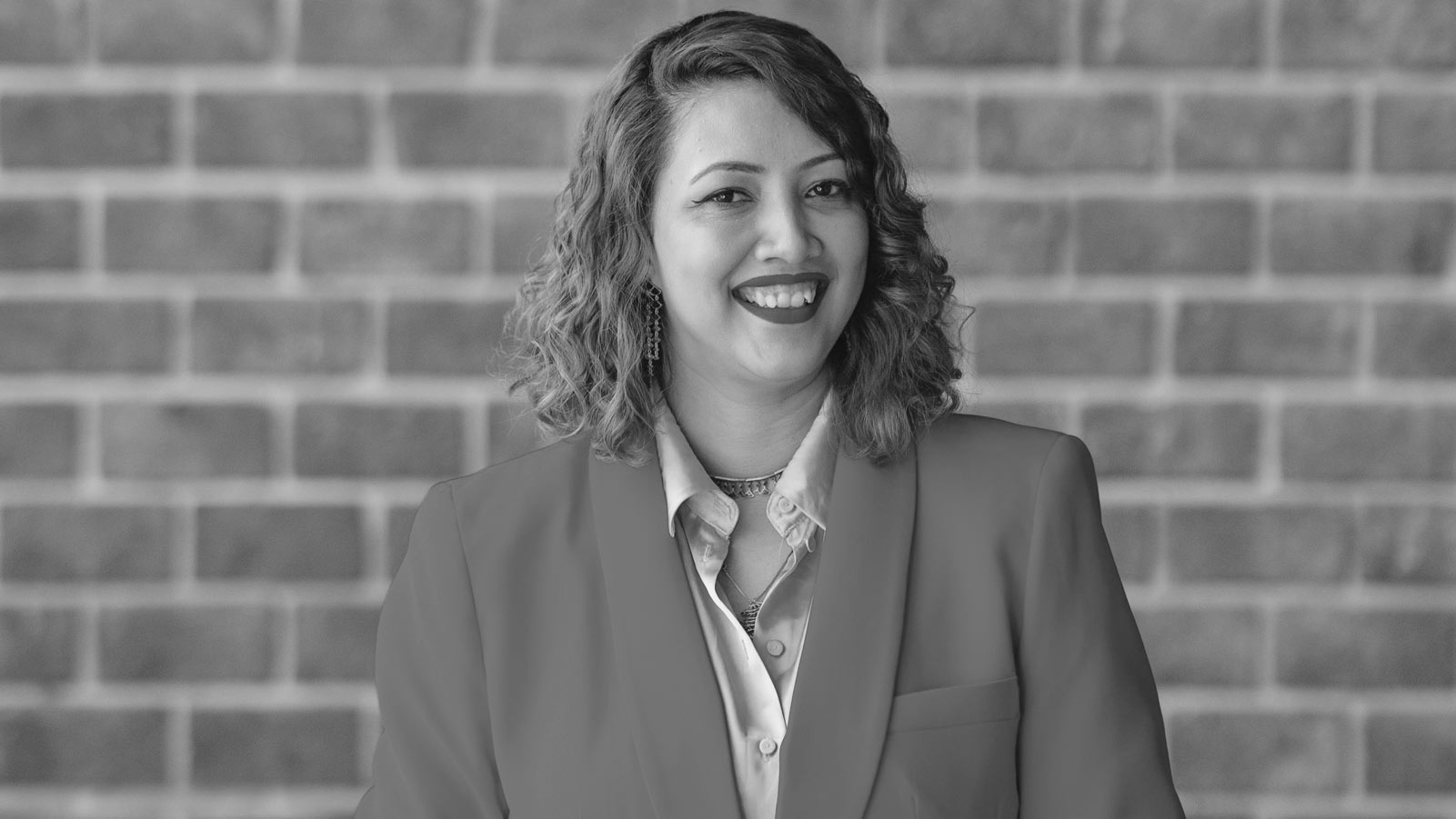
Next up, we speak with Pranalika Mahanta, Head of Marketing and Communication at AnitaB.org India.
In our conversation, Pranalika reflects on how her mother and sister shaped her understanding of leadership and fairness, and how her work around the Grace Hopper Celebration India connects communications strategy to a sense of belonging for women in tech. She also addresses how her view of fairness has evolved with seniority, moving from equal treatment to conscious structural design.

She also discusses the shift she believes is still needed in workplaces — from celebrating women’s resilience to redistributing responsibility — and the importance of leaders acting on equity through daily behavior, not just policy.
The theme for International Women’s Day 2026 is “Rights. Justice. Action. For ALL Women and Girls.” What does this mean to you professionally and personally?
For me, this theme feels deeply personal before it feels professional. I grew up watching two women, my mother and my sister, live out “rights” and “justice” not as slogans, but as everyday commitments.
My mother moved from being a school teacher to a Professor of Political Science and eventually the Principal of her college. My sister, a rank holder in her Master’s who went on to earn her PhD, today serves as the Dean of her Department of Culture Studies and Literature.

At home, leadership wasn’t loud, it was steady. It was preparation, discipline, dignity. It was managing institutions and motherhood with the same seriousness. Watching them, I learned that independence is not rebellion, it’s responsibility.
So when I think about “Rights. Justice. Action. For ALL Women and Girls.” I think about access to education, to opportunity, to decision-making spaces. I think about the quiet confidence that comes from knowing that you belong.
At home, leadership wasn’t loud, it was steady. It was preparation, discipline, dignity.
Professionally, at AnitaB.org India, I see how representation shifts possibilities. When women see others who look like them leading in technology, innovation, and business, something unlocks internally. “For ALL” is the most important part of this theme. Because progress cannot be selective.
Justice is structural. Rights must be protected. But action, consistent, deliberate action, is what makes the difference between inspiration and impact.
What first drew you to your industry, and was there a defining moment that set your career in motion? Was there a role model who influenced you early on?
My journey into marketing and communications wasn’t perfectly mapped out; it evolved with curiosity and conviction. I’ve always been drawn to how ideas travel, how narratives influence opportunity, and how visibility can shift someone’s sense of belonging. But if I think about who truly shaped my ambition and resilience, it has always been the women at home.
I grew up watching my mother command classrooms, lead institutions, and still return home with the same quiet steadiness. She never announced her strength, she embodied it. Education, integrity, and independence were simply the standard in our home.
I grew up watching my mother command classrooms, lead institutions, and still return home with the same quiet steadiness.
My sister followed a similarly inspiring path. Watching her pursue academic excellence with such focus while balancing personal responsibilities showed me that ambition and grace can coexist. Between the two of them, I never saw leadership as something intimidating or inaccessible. I saw it up close, at the dining table, in everyday conversations, in the discipline of showing up consistently.
If there was a defining moment in my career, it was the realization that I didn’t need to shrink my aspirations to be accepted. I came from women who led. That legacy quietly gave me permission to lead too.
How has your understanding of fairness changed as you’ve gained experience and seniority?
Earlier, fairness felt simple: equal treatment. With experience, I’ve realized fairness is more layered. Not everyone walks into a room with the same exposure, networks, financial cushion, or confidence. I remember moments early in my career when I hesitated to ask questions, worried about how I would be perceived. Over time, I understood that hesitation isn’t a capability issue, it’s often a conditioning one.
True fairness requires conscious design – mentorship, sponsorship, inclusive hiring, and visible representation.
True fairness requires conscious design – mentorship, sponsorship, inclusive hiring, and visible representation. It’s about acknowledging starting points. And as you grow into leadership, you realize you’re no longer just navigating the system, you’re shaping it.
As conversations around women and work have evolved, what do you think has genuinely improved—and where do you think more attention and action are still needed?
What gives me hope is how openly women speak about ambition today. There’s less whispering around wanting leadership roles, financial independence, or scale. There’s also greater solidarity. Younger women are asking sharper questions about pay equity, about flexibility, about representation in decision-making spaces.
What gives me hope is how openly women speak about ambition today. There’s less whispering around wanting leadership roles, financial independence, or scale.
But we still glorify endurance. We celebrate how much women can “manage” without questioning why they must manage so much in the first place. The next shift must move from celebrating resilience to redistributing responsibility, at home, in boardrooms, in leadership pipelines.
Is there a project or initiative you’ve worked on related to women’s empowerment that you’re particularly proud of? What made it meaningful to you?
The work we do around the Grace Hopper Celebration India is very close to my heart. Every year, I watch first-time attendees walk in, sometimes unsure, sometimes overwhelmed, and then leave with expanded vision. Seeing thousands of women technologists in one place challenges the internal narrative of “I’m alone here.”
From a communications perspective, building that platform is intense and strategic. But from a personal perspective, it feels like building a room I wish many of us had access to earlier. When someone says, “I finally feel like I belong,” it’s not just feedback. Its impact.
What responsibility do senior leaders have in shaping more equitable workplaces, beyond statements or policies?
Leadership is lived in micro-moments. It’s in who you interrupt, or don’t. Who you promote. Whose idea you repeat and credit. Who you mentor when no one is watching. Policies matter, but culture is built in daily behaviour.
Policies matter, but culture is built in daily behaviour.
As leaders, we must ask ourselves uncomfortable questions: Who did we sponsor this year? Who did we advocate for when they weren’t present? Equity cannot be an annual theme, it has to be an operational habit.
What is one change you would like to see in workplaces for the next generation of women?
I hope the next generation doesn’t equate ambition with apology. I would love to see young women pursue scale, in leadership, in entrepreneurship, in innovation, without feeling the need to constantly soften their edges. Confidence should feel inherited, not assembled.
Quick Hits
A trend you’re excited about (or not excited about)
I’m genuinely excited about women shaping emerging technologies like AI, cybersecurity, and climate-tech at foundational levels. The future is being built in code and policy right now. Representation in those spaces determines how inclusive that future will be.
What concerns me slightly is performative empowerment. When inclusion becomes aesthetic rather than structural, it risks becoming temporary. Real change may not always trend, but it endures.
A creative campaign that made you feel seen
The “#LikeAGirl” campaign by Always deeply resonated with me. It reframed a phrase that was casually used to diminish girls and turned it into something powerful.
As someone in communications, I find that transformative. Language shapes belief and belief shapes behaviour. When you shift language, you shift culture.
A piece of advice that stayed with you
“Don’t wait to be picked. Build the room.”
Earlier in my journey, I waited for signals like validation, recognition, and permission. Over time, I realized leadership is less about being selected and more about creating spaces. That mindset changed everything for me.
Today, whether it’s a campaign, a community platform, or a conference stage, I ask: Who else can stand here? Who else needs this visibility? Because when you build rooms, you don’t just enter leadership, you expand it.