We are dedicating the entire month of March to spotlighting voices from across the industry as part of our IWD Voices series. Leaders will share their journeys, experiences, insights, and the lessons that have shaped them.
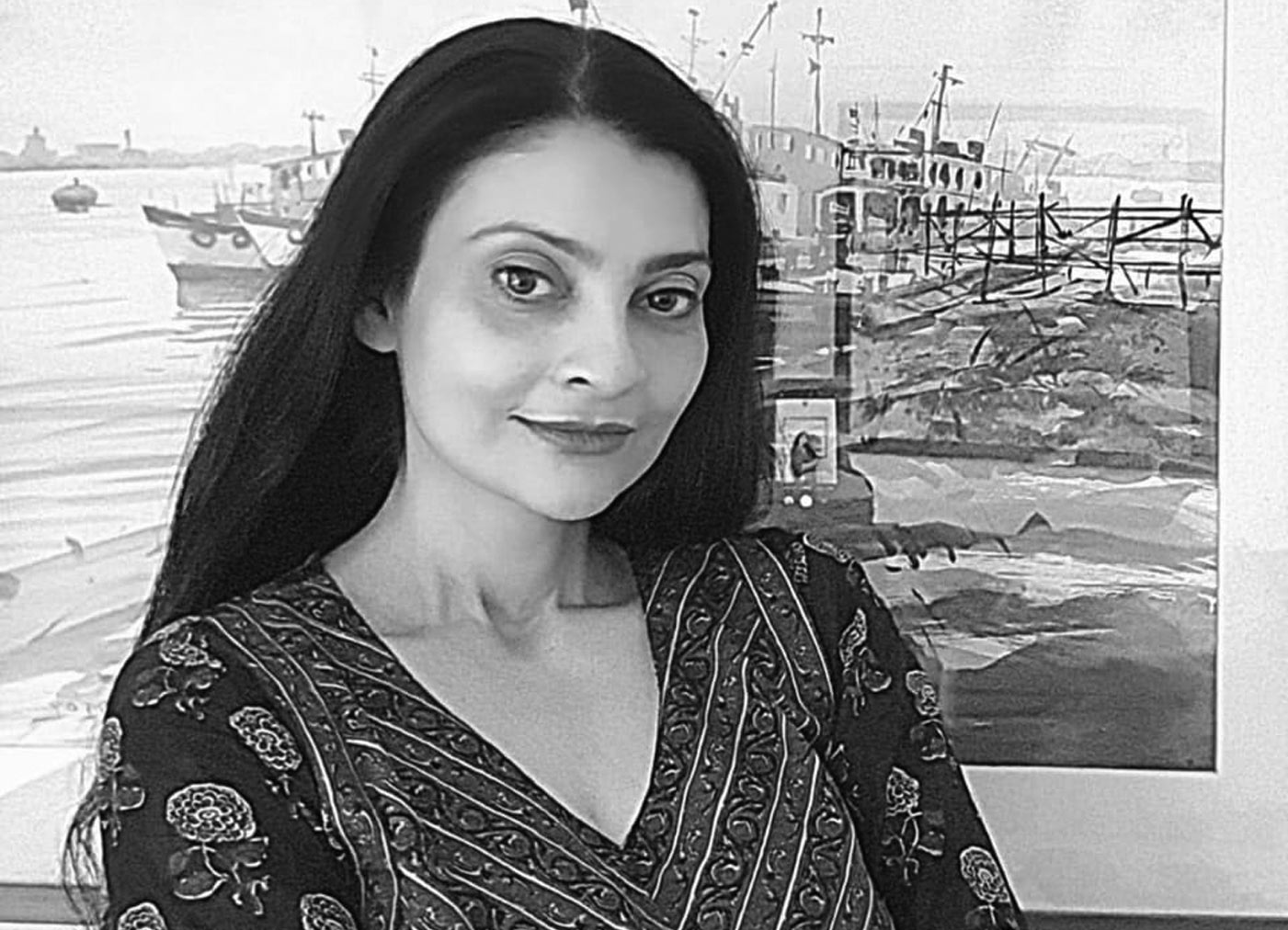
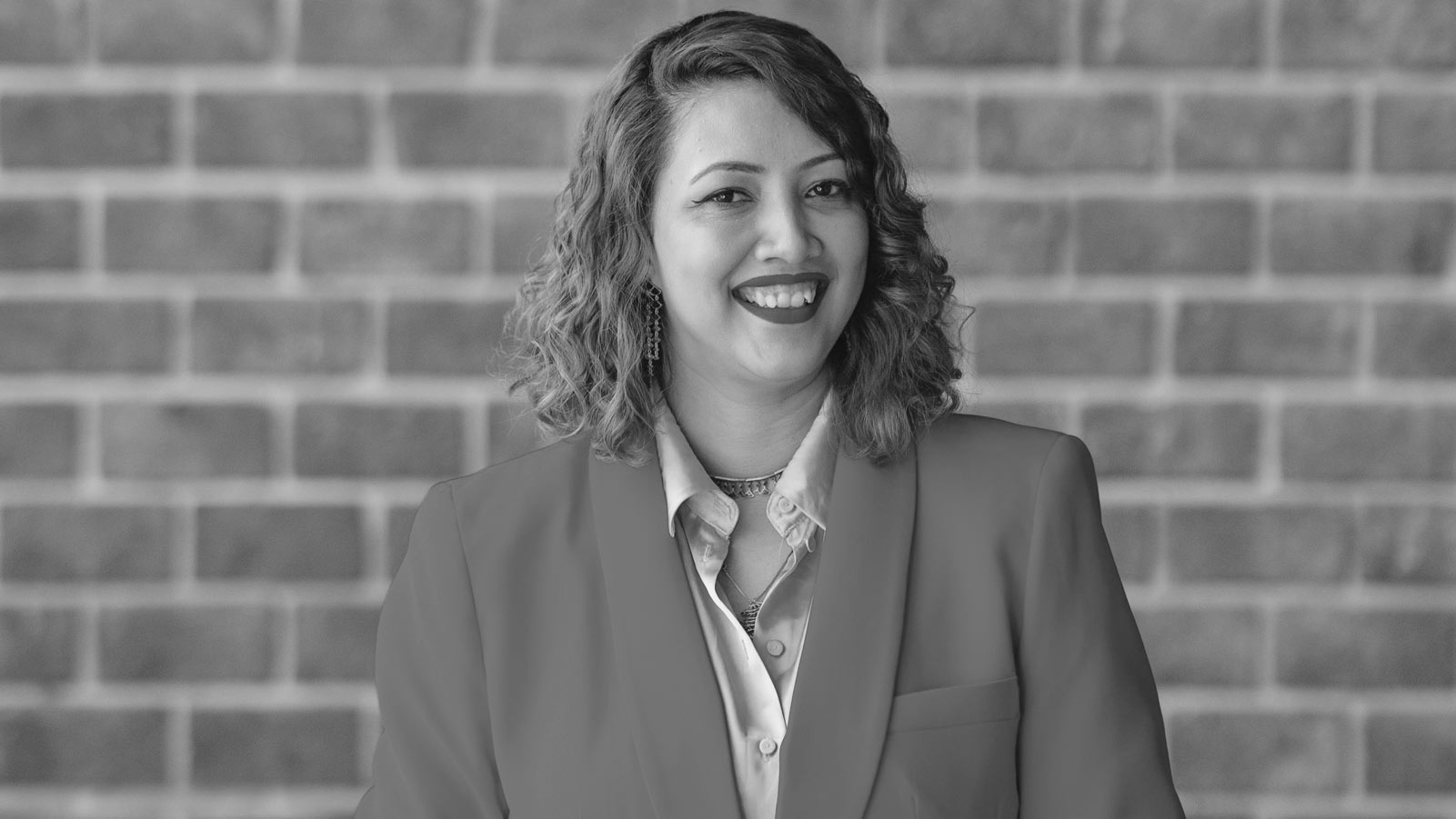
Next up, we speak with Nikita Harisinghani, Co-Founder at Chrome Asia Hospitality.
In our conversation, Nikita reflects on what drew her to hospitality and the moment she recognized that ownership and strategic direction remained largely male-led. She also speaks to how her understanding of fairness has evolved, and where she believes bias still shapes who receives visibility, stretch opportunities, and harsh evaluation.

She also discusses the responsibility senior leaders carry in shaping equitable workplaces through consistent action rather than policy alone, and the change she most wants to see for the next generation — that ambition in women be read as professionalism, not personality.
The theme for International Women’s Day 2026 is “Rights. Justice. Action. For ALL Women and Girls.” What does this mean to you professionally and personally?
Professionally, it reinforces that fairness cannot remain a principle on paper. It has to show up in how businesses are structured and led. Rights define what should be guaranteed. Justice addresses what has been imbalanced. Action is the discipline of correcting it.
Personally, it’s about being conscious of access. Progress that benefits only a few women in visible positions is not meaningful progress. If opportunity is not widening across levels and backgrounds, then we are only adjusting optics, not outcomes.
What first drew you to your industry, and was there a defining moment that set your career in motion? Was there a role model who influenced you early on?
Hospitality is an industry which combines experience with economics. It is creative, but it is also operationally demanding. It requires instinct and discipline in equal measure.
The defining shift for me was understanding that I did not just want to contribute to brands. I wanted to build them. I noticed that while women were present across teams, ownership and strategic direction were still largely male-led. That gap shaped my ambition.
I have always respected leaders who understand both aesthetics and accountability. The ability to create something compelling while maintaining commercial clarity is what I strive for.
How has your understanding of fairness changed as you’ve gained experience and seniority?
Earlier in my career, fairness meant equal treatment. With experience, I have learned that equal treatment within unequal systems maintains imbalance.
Fairness now means examining processes. Who gets maximum visibility from a project? Who gets stretch opportunities? Who is evaluated more harshly? Seniority brings perspective, and with perspective comes responsibility. If you see bias and do nothing, you are complicit in it.
As conversations around women and work have evolved, what do you think has genuinely improved—and where do you think more attention and action are still needed?
There is greater openness now. Conversations around pay, leadership, and ambition are more direct. Women are less hesitant to articulate what they want professionally. But that’s just a start.
There is greater openness now. Conversations around pay, leadership, and ambition are more direct.
The real glass ceiling left to shatter is women shining in unexpected roles, whether financial decision-making, accounting budgets or final decision making. Until this gap is addressed and actively taken upon by us, progress will remain uneven.
Is there a project or initiative you’ve worked on related to women’s empowerment that you’re particularly proud of? What made it meaningful to you?
What matters most to me is how leadership is structured within my own business. At Late Checkout, women are not confined to support roles. They manage operations, lead negotiations, and influence financial decisions.
It is not framed as an initiative. It is built into how the company runs. Authority is shared deliberately, not incidentally.
What responsibility do senior leaders have in shaping more equitable workplaces, beyond statements or policies?
Senior leaders shape culture through everyday decisions. Policies are important, but behaviour sets precedent.
Policies are important, but behaviour sets precedent.
The responsibility lies in consistent action. Fair compensation, transparent evaluation, clear promotion pathways. Sponsoring talent rather than simply mentoring it. Equity requires attention to detail, not just intention.
What is one change you would like to see in workplaces for the next generation of women?
I would like ambition in women to be interpreted as professionalism, not personality.
The next generation should not have to adjust their tone, minimise their confidence, or over-justify their expertise. Competence should be assessed without bias.
Quick Hits
A trend you are excited about, or not excited about
I am particularly interested in the shift toward financial literacy and capital awareness among women. There is a noticeable move from conversations about representation to conversations about ownership, valuation, and investment. When women understand capital, they negotiate differently, build differently, and scale differently. That shift has long-term consequences.
The trend I would like to see grow stronger is sustainability in leadership, measured growth, thoughtful decision-making, and longevity. Influence is more powerful when it is consistent, not performative.
A creative campaign or representation of women that inspired you or made you feel seen
There isn’t one single campaign that made me feel seen. What resonates more is the broader shift in representation, women being portrayed not just as resilient, but as decision-makers and owners.
I’m inspired by narratives that normalise ambition, authority, and financial leadership in women. It’s less about one moment and more about the steady correction of how leadership is framed.
A piece of advice that stayed with you longer than expected
“Don’t wait to be chosen.”
Early in my career, it reframed how I viewed opportunity. Instead of waiting for validation or permission, it pushed me to create rooms, build platforms, and make decisions independently.
Over time, I’ve realised that momentum often comes from self-selection. If you are prepared, you don’t need to wait for endorsement to begin.