Though International Women’s Day is behind us, we are continuing to spotlight voices from across the industry as part of our IWD Voices series, with leaders sharing their journeys, experiences, insights, and the lessons that have shaped them.
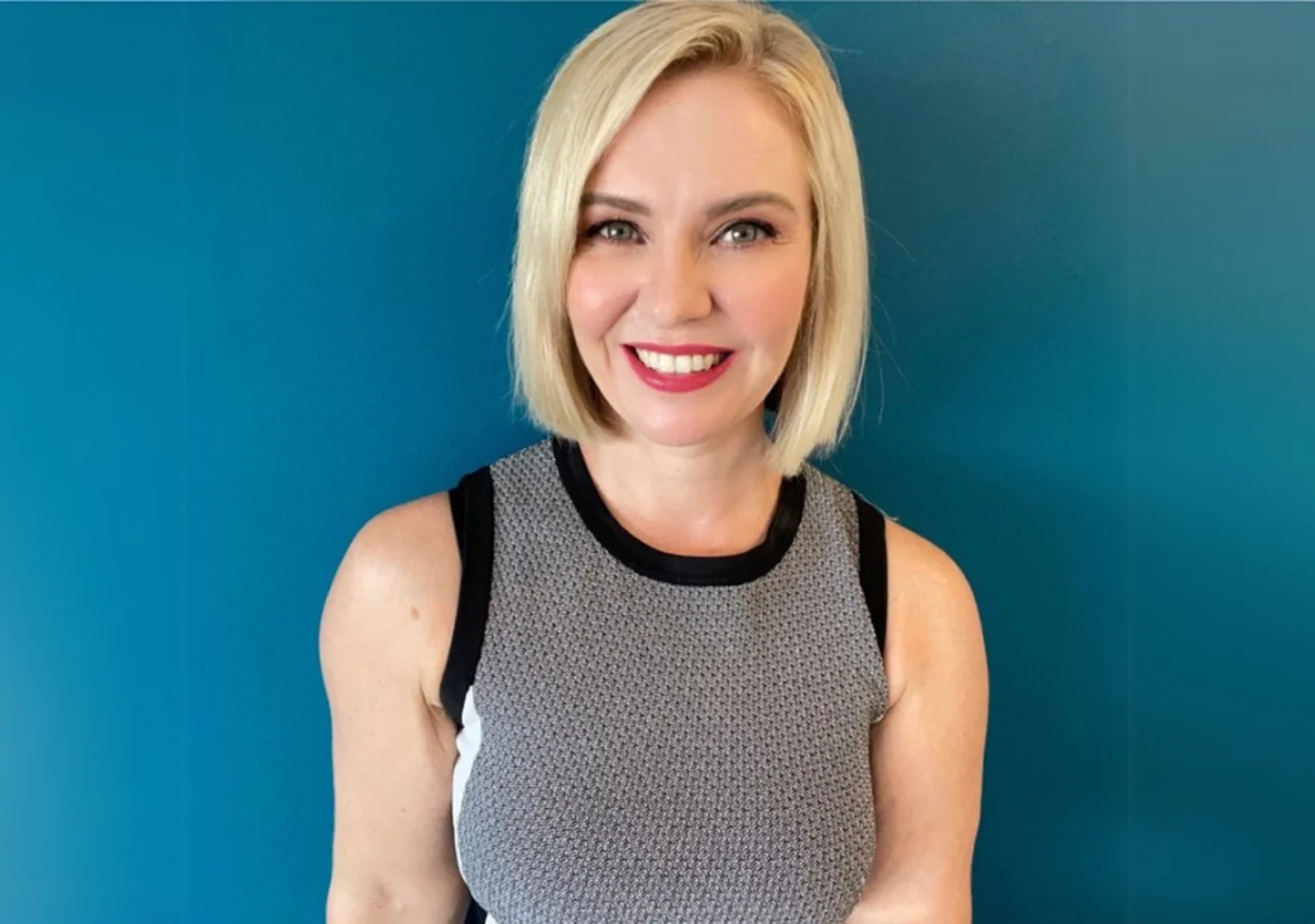
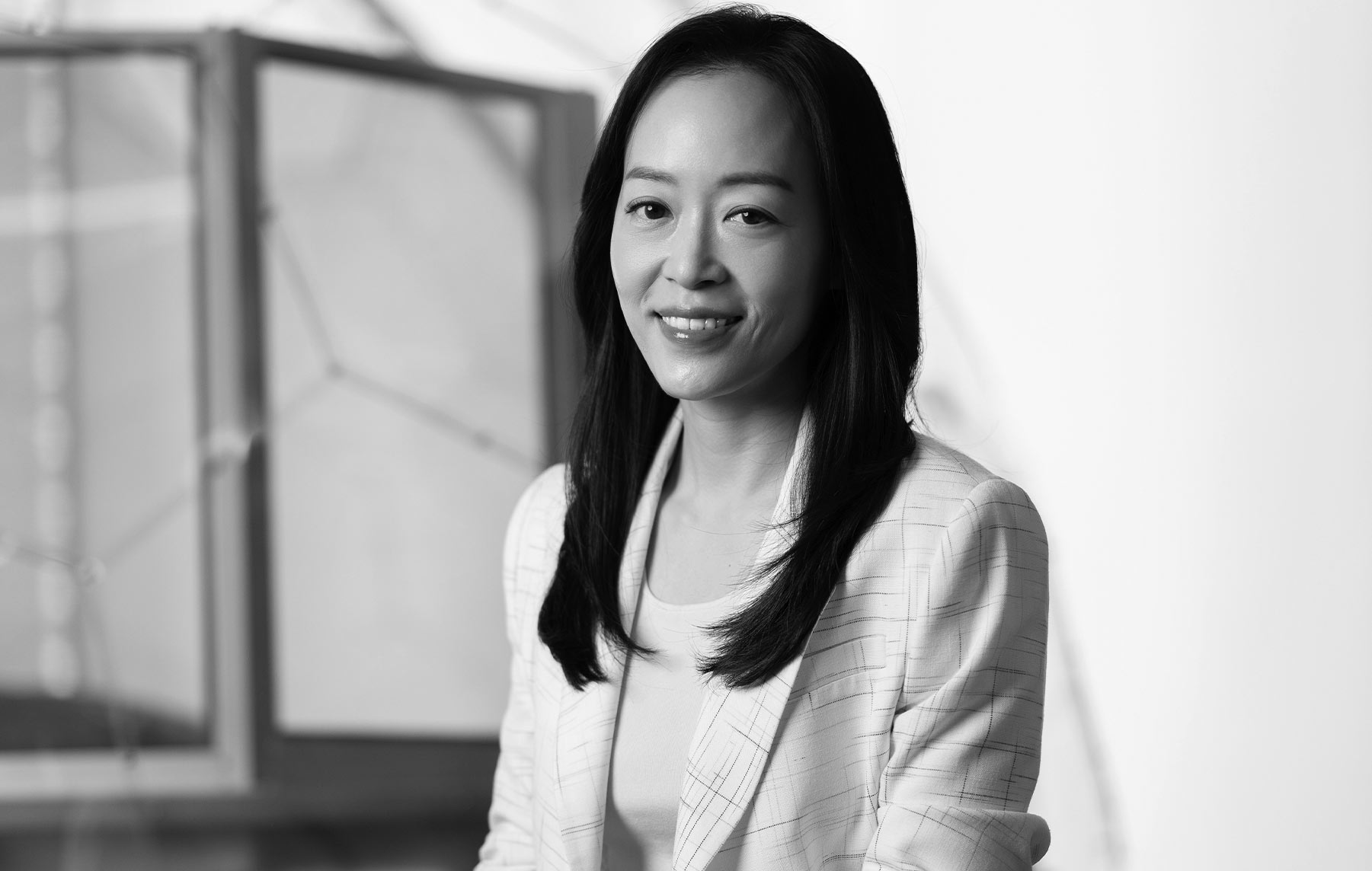
In this instalment, we speak with Minsook Cho, Country Manager, Singapore at Mastercard.
Minsook reflects on what the IWD 2026 theme means to her, how her career path moved from consulting to payments, and the setbacks — including an extended maternity leave — that she says shaped her into a more patient and empathetic leader.

She also discusses how her understanding of fairness evolved as she led large teams across Asia Pacific, the shift she has observed from viewing gender balance as a matter of fairness to seeing it as a driver of innovation, and the variety of leadership styles she has worked to make visible for women on her team.
The theme for International Women’s Day 2026 is “Rights. Justice. Action. For ALL Women and Girls.” What does this mean to you professionally and personally?
To me, this theme is a powerful call for the private sector to take action. True justice comes not from statements, but from dismantling the economic barriers that hold women back, because their success fuels prosperity for everyone. Professionally, this theme reinforces my belief that technology must level the playing field, not just widen it. As technology reshapes the global economy at breakneck speed, the challenge before us is to ensure these innovations are expansive and inclusive, driving improved financial health, resilience, and opportunity for everyone, everywhere.
What first drew you to your industry, and was there a defining moment that set your career in motion? Was there a role model who influenced you early on?
What first drew me to the payments industry was the intersection of consumer experience and technological innovation. My career began in consulting strategy, spanning industries like financial services, retail, and hospitality. Payments captured me because it’s universal—everyone uses it daily—and I could think as a consumer before innovating as a practitioner. With fintech’s growth, I loved how we use technology to enrich lives—making everyday interactions easier and more meaningful.

I don’t believe my career rests on a single defining moment. Rather, it’s a tapestry woven from experiences—especially setbacks—that shaped me. Each challenge strengthened my resilience, and I’ve grown through each phase. For instance, taking a one-and-a-half-year maternity leave felt like a slowdown, but it became one of my most valuable experiences. It allowed me to embrace a profound life chapter and become a more patient, empathetic leader.
I don’t believe my career rests on a single defining moment. Rather, it’s a tapestry woven from experiences—especially setbacks—that shaped me.
I’ve been fortunate to have many mentors, each pivotal at different phases. What unites them is their integrity, empathy, humor, and their ability to shift my perspective. When facing complex situations—be it interpersonal or professional—they taught me not to dwell on frustration but to step back, reframe, and move forward constructively. And with their humor, they reminded me that even when things don’t go as planned, there’s always another path forward. I’m deeply grateful for the perspective they’ve given me.
How has your understanding of fairness changed as you’ve gained experience and seniority?
Over the course of my career, I’ve come to recognize that true fairness means creating the conditions for different people to thrive in different ways. As leaders, it’s very easy for us to gravitate towards hiring “all‑rounders” or people who could do a bit of everything. But as I gained experience leading large, diverse teams across Asia Pacific, I realized that this approach unintentionally narrows the range of perspectives and capabilities one can bring into the room. As the complexity of the payments and digital ecosystem grew, I prioritized hiring individuals with deep strengths in one area combined with a willingness to collaborate openly.
Over the course of my career, I’ve come to recognize that true fairness means creating the conditions for different people to thrive in different ways.
As conversations around women and work have evolved, what do you think has genuinely improved—and where do you think more attention and action are still needed?
The most significant improvement is the shift from viewing gender balance as a matter of fairness to understanding it as a crucial driver of innovation. We see the value in diverse viewpoints as a core component in better decision-making. However, the real work is ensuring these voices are truly heard, not just present. This is why creating a culture of belonging is important for my team – where women are empowered to lead and diverse viewpoints are discussed and acted on.
Is there a project or initiative you’ve worked on related to women’s empowerment that you’re particularly proud of? What made it meaningful to you?
Early in my career, I often saw leadership represented by a singular, sometimes intimidating figure. That experience shaped my commitment to expanding what leadership looks like. As I moved from engineering to consulting and now lead the Singapore market, I’ve championed initiatives to grow not only the number of women, but the variety of leadership styles they can look up to.
Early in my career, I often saw leadership represented by a singular, sometimes intimidating figure.
Over time, my team evolved from having women in the minority to reaching over 50% representation at certain points. But beyond numbers, what mattered was the variety of leadership styles I saw flourish—from bold, outspoken leaders to more reflective, empathetic ones. My goal has been to ensure today’s women see a rich, diverse set of role models—and feel empowered to lead in their own authentic way.
What responsibility do senior leaders have in shaping more equitable workplaces, beyond statements or policies?
Senior leaders have a responsibility to make equity a non-negotiable business metric. Only 20% of corporate leaders in Singapore are women. At Mastercard, we see the opportunity to create change as an ongoing responsibility, including closing the gender pay gap, which ensures accountability is embedded in our structure.
What is one change you would like to see in workplaces for the next generation of women?
I would like to see more support for entrepreneurship for young women. One of Mastercard’s studies found that in Singapore, nearly half (48%) of women in the country have contemplated starting their own business, 37% believe that this goal is ultimately unattainable. Even so, in Singapore, 35% of women run a side business. Innovation in payments technology for instance, when thoughtfully deployed, can empower women entrepreneurs and small businesses, and enable meaningful participation in the economy.
Quick Hits
A trend you are excited about, or not excited about
Agentic AI – We recently pioneered our first live agentic AI transaction in Singapore. AI agents are very trendy right now. They can open applications, search for information, compare prices, generate documents and complete multi-step processes. Beyond banking, this technology has transformative potential in any area characterized by complex consumer decision-making. I think it will change the way we do everything.
I’m also excited about our AI Centre of Excellence which will open its doors in Singapore later this year, where we will bring together our innovation capabilities, cybersecurity strength and deep AI expertise to develop trusted, scalable AI solutions for the region.
A creative campaign or representation of women that inspired you or made you feel seen (please share a link to a video or image)
Mastercard’s #HiddenDisabilities campaign together with Hidden Disabilities Sunflower (HDS), St. Andrew’s Autism Centre, HSBC, and Frasers Property Singapore. Many individuals with hidden disabilities face challenges in their everyday life, such as sensory sensitivities, communication barriers, and navigating public spaces, all of which significantly impact their daily lives and place additional strain on them, their caregivers and families.
A piece of advice that stayed with you longer than expected
A piece of advice that has stayed with me is that everyone brings something unique to the table, and leadership is about recognizing and elevating that diversity of strengths. That shifted my focus from trying to fix every gap to amplifying what I—and others—naturally excel at. At the same time, I’ve learned that vulnerability—admitting when I don’t have all the answers—is a strength. It’s humbling and creates space for others’ contributions. That balance—celebrating diverse strengths while being open and real—has shaped how I lead and build collaborative teams.