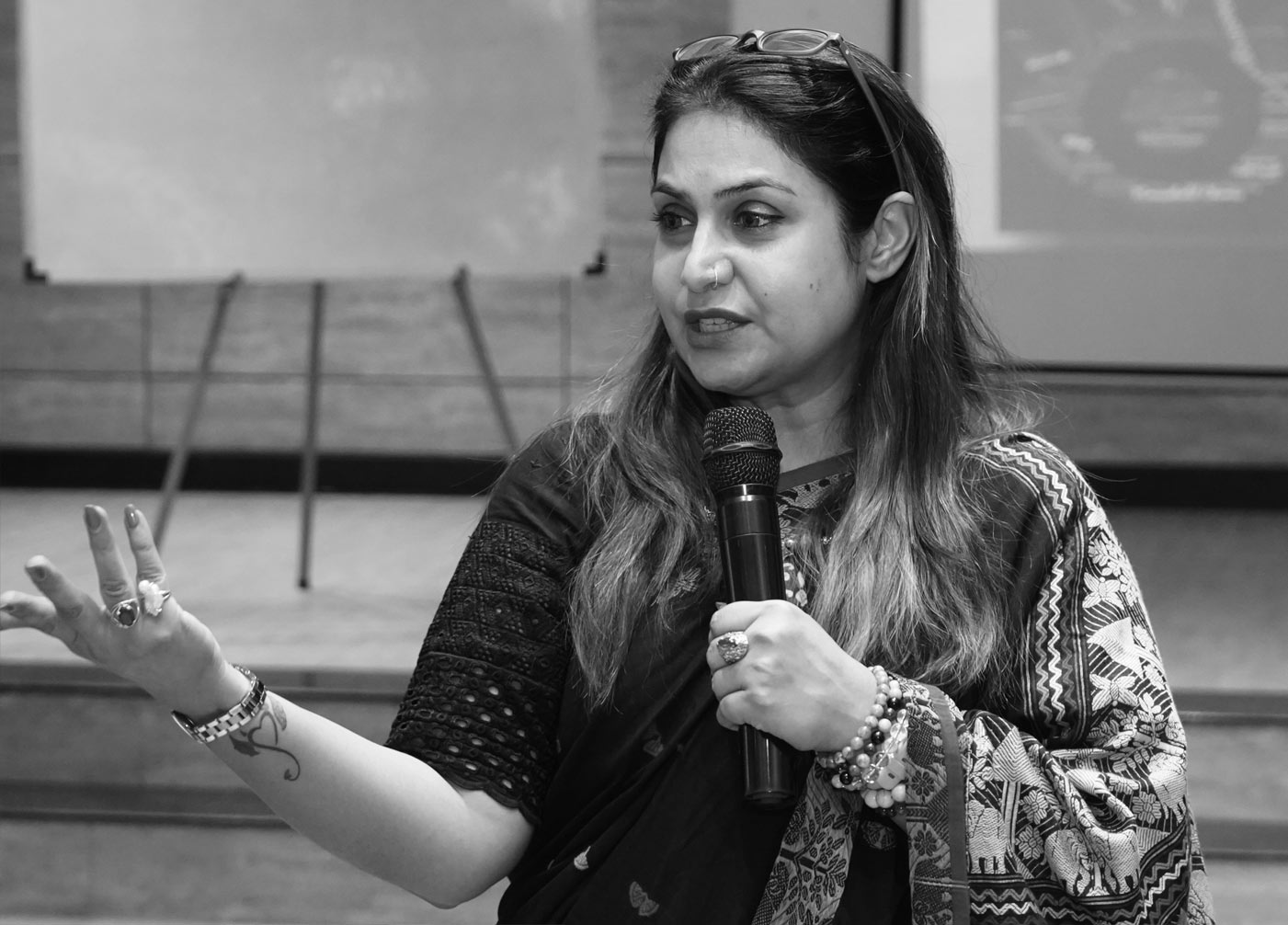
Though International Women’s Day is behind us, we are continuing to spotlight voices from across the industry as part of our IWD Voices series, with leaders sharing their journeys, experiences, insights, and the lessons that have shaped them.
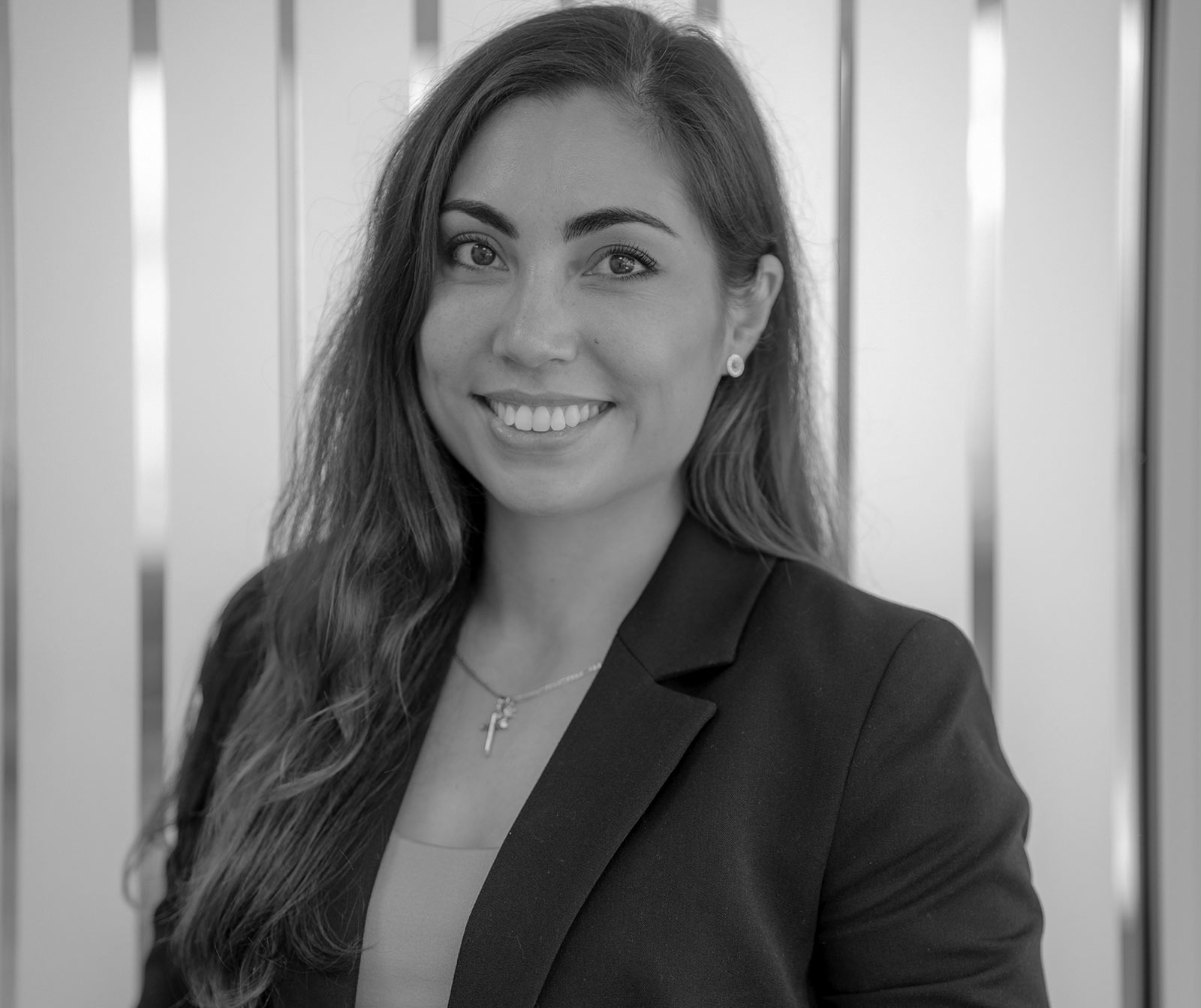
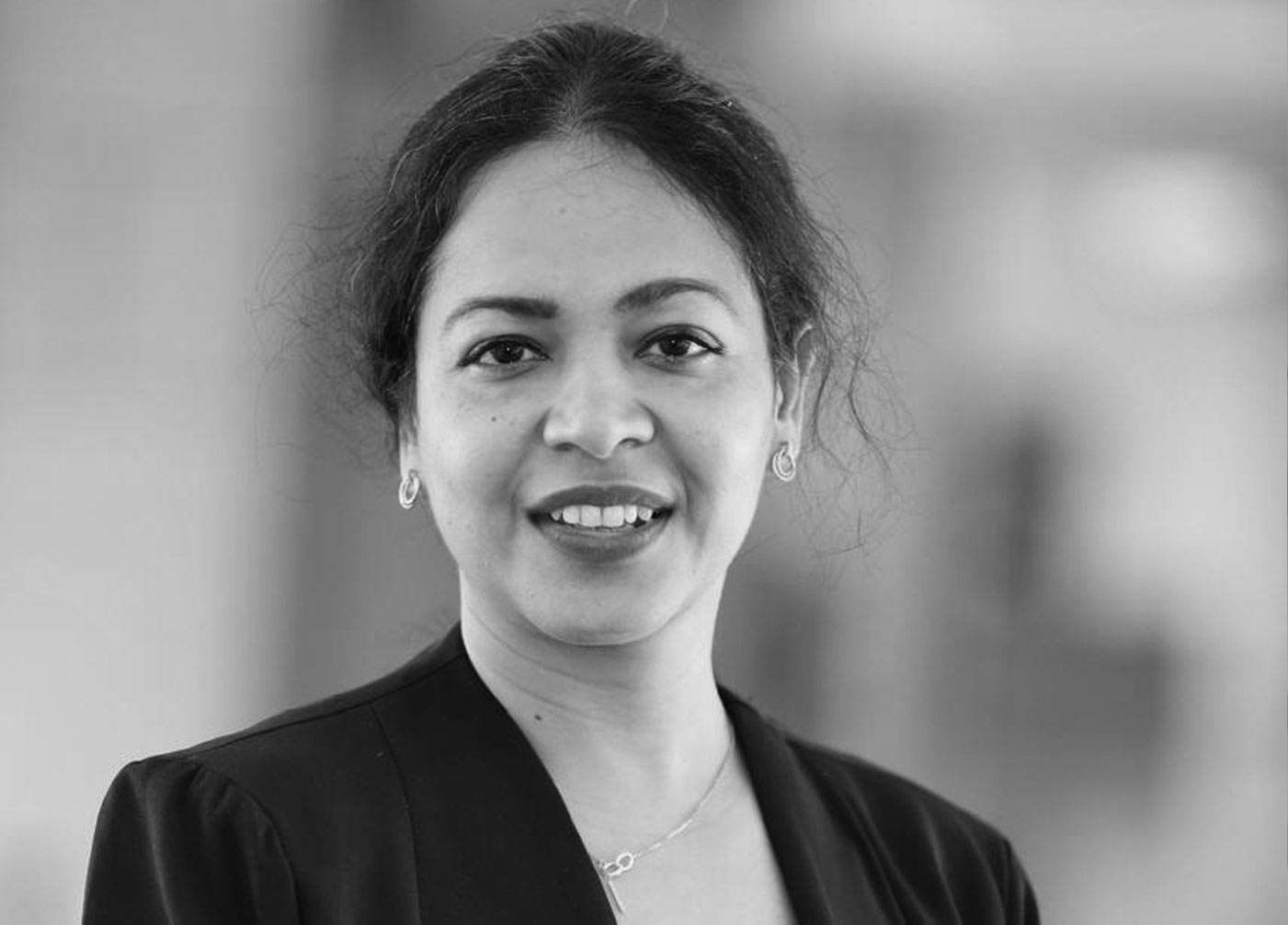
Next up, we speak with Farheen Belgaumwala, Co-Founder at Total Consulting & Mentoring Collective.
In our conversation, Farheen reflects on what this year’s IWD theme means to her as an educator, happiness coach, and researcher, and how her understanding of fairness has evolved from equal opportunity to equity and structural empathy.

She also discusses the responsibility senior leaders have in modeling fairness through everyday decisions, and the workplace change she would most like to see for the next generation of women.
The theme for International Women’s Day 2026 is “Rights. Justice. Action. For ALL Women and Girls.” What does this mean to you professionally and personally?
To me, the theme is a reminder that awareness must translate into everyday action. As an educator, happiness coach and researcher studying people and workplaces, I see how rights and fairness influence wellbeing and confidence.
Personally, it means using my voice to mentor and support women in building careers that are both successful and emotionally sustainable.
What first drew you to your industry, and was there a defining moment that set your career in motion? Was there a role model who influenced you early on?
While teaching management students, I often noticed that many bright, capable young people still felt a sense of emptiness or disconnection from their work and goals. That observation gradually led me to expand my role from lecturing to happiness coaching and wellbeing-focused work. I realized there was a strong need to support people not just in building successful careers, but in building meaningful and emotionally sustainable lives.

There wasn’t one particular role model shaping this path, my direction evolved more from listening to the needs I saw around me and responding to where I felt I could contribute the most.
How has your understanding of fairness changed as you’ve gained experience and seniority?
Earlier, I saw fairness mainly as equal opportunity. Through coaching and research, I’ve come to realize that fairness requires equity and structural empathy, the understanding that people start from very different circumstances. True fairness means designing systems that enable everyone to thrive, not just those who already have advantages.
Stronger action is still needed around leadership representation, career continuity and creating cultures where ambition and wellbeing can coexist, especially for women balancing multiple roles.
As conversations around women and work have evolved, what do you think has genuinely improved—and where do you think more attention and action are still needed?
It’s encouraging that conversations around gender equity and workplace wellbeing are now more visible. In my work with students and professionals, I see growing awareness about mental health and inclusive leadership. However, stronger action is still needed around leadership representation, career continuity and creating cultures where ambition and wellbeing can coexist, especially for women balancing multiple roles.
Is there a project or initiative you’ve worked on related to women’s empowerment that you’re particularly proud of? What made it meaningful to you?
Workshops focused on wellbeing, emotional resilience and self-awareness have been particularly meaningful to me. Through happiness coaching and reflective exercises, I’ve seen women, especially students and early-career professionals gain clarity, confidence and a stronger sense of agency in shaping their careers.
What makes these sessions meaningful and fulfilling is seeing women leave with a stronger sense of agency, and of realization that their voice, boundaries, and aspirations matter.
What responsibility do senior leaders have in shaping more equitable workplaces, beyond statements or policies?
Leaders set the emotional and cultural tone of workplaces. Beyond policies, they must model fairness through everyday decisions like who gets opportunities, who gets heard and how success is defined. Equity becomes real only when leadership behaviour reflects it consistently.
From a research and coaching perspective, cultures of psychological safety and respect are often what truly determine whether people thrive.
When well-being and performance are seen as complementary rather than competing priorities, everyone benefits.
What is one change you would like to see in workplaces for the next generation of women?
I would like to see workplaces normalize flexibility without stigma; where productivity is measured by outcomes, not presence, and where women do not have to choose between ambition and wellbeing. When well-being and performance are seen as complementary rather than competing priorities, everyone benefits.
Quick Hits
A trend you are excited about, or not excited about
The trend I’m most excited about is the rising emphasis on wellbeing and emotionally intelligent leadership, because these approaches naturally create workplaces where women’s voices, leadership styles, and contributions are valued.
A creative campaign or representation of women that inspired you or made you feel seen
The #LikeAGirl campaign by Always. It powerfully challenged the idea that doing something “like a girl” is weak and reframed it as a symbol of strength and confidence. As someone who works with professionals and leaders, I found it meaningful because it reminds women that the qualities they are often told to downplay can actually be their greatest strengths.
A piece of advice that stayed with you longer than expected
“You do not have to be perfect to begin.” I have seen many talented professionals, especially women, hold themselves back waiting to feel fully ready. Progress often starts with simply taking the first step.