
Though International Women’s Day is behind us, we are continuing to spotlight voices from across the industry as part of our IWD Voices series, with leaders sharing their journeys, experiences, insights, and the lessons that have shaped them.
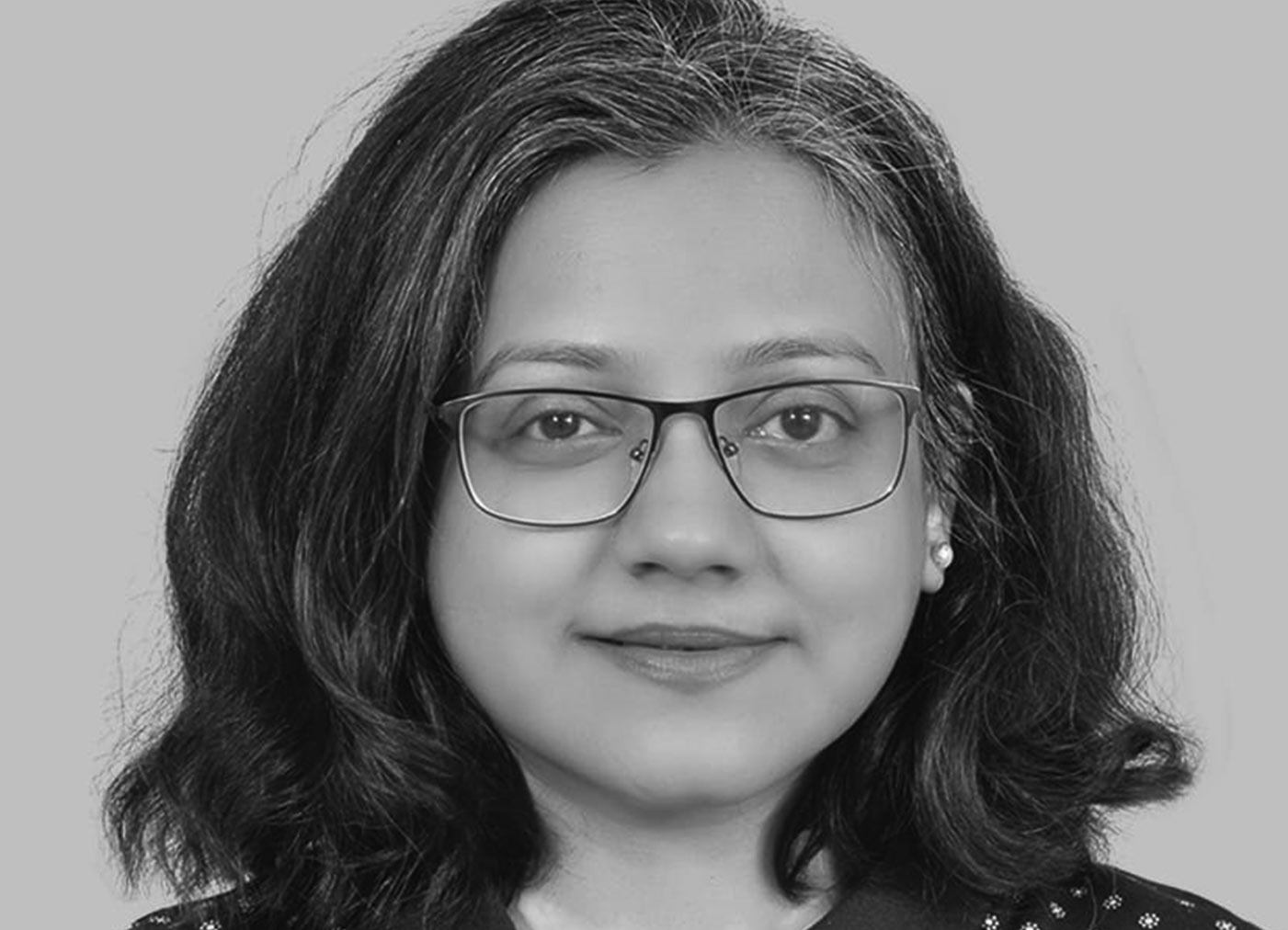
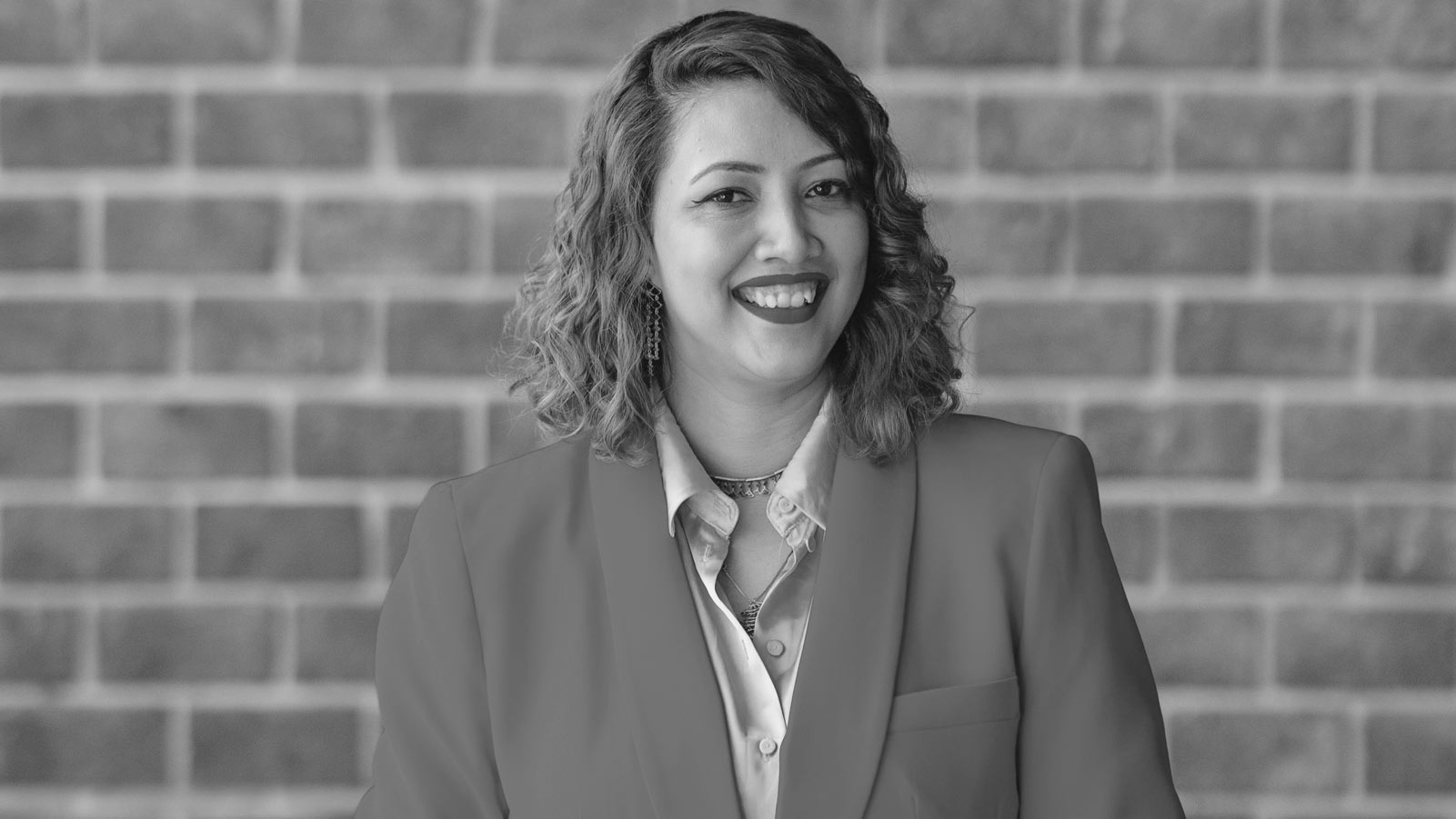
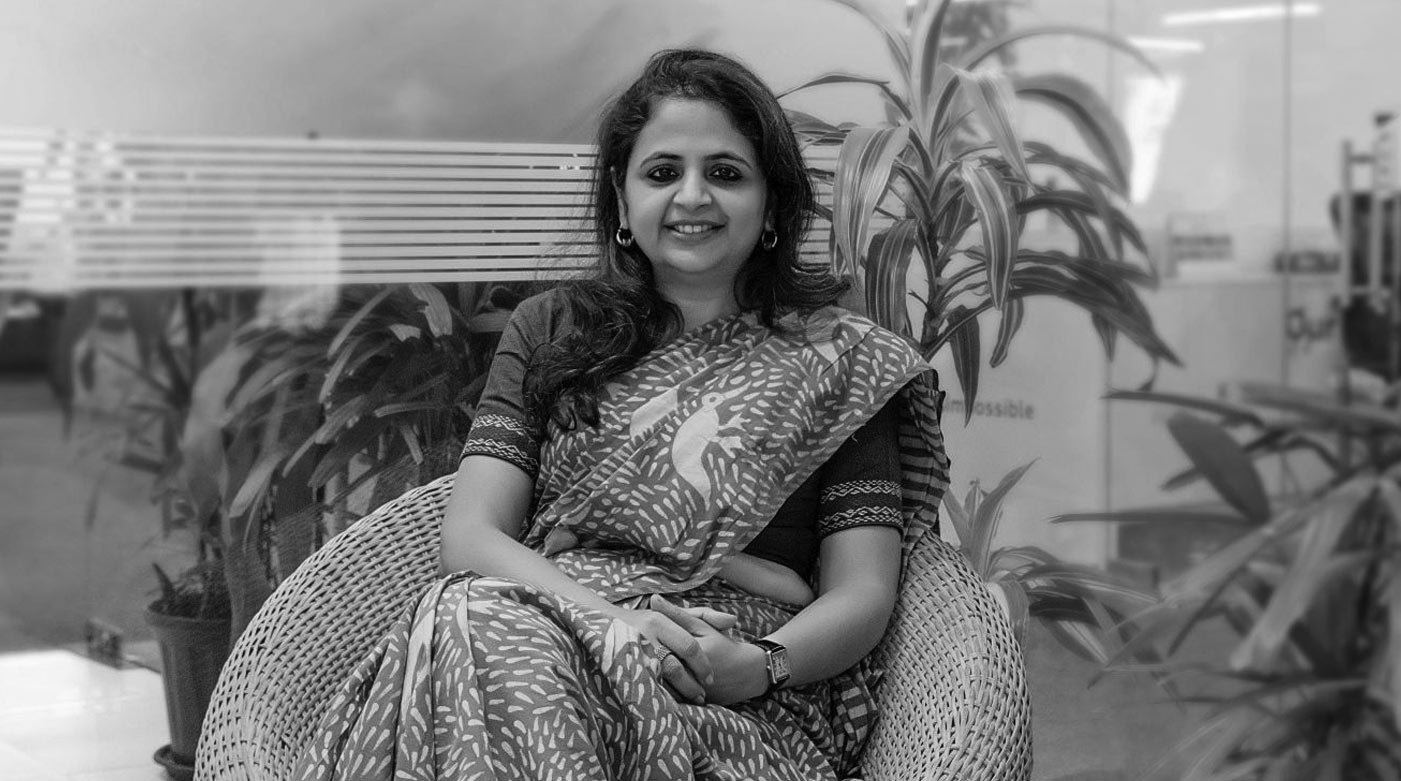
Next up, we speak with Ekta Relan, Chief Strategy Officer at Saatchi & Saatchi India.
In our conversation, Ekta reflects on what this year’s IWD theme means to her personally and professionally, and shares the defining early moments that set her career in advertising in motion.

She also discusses how her understanding of fairness has evolved with seniority, and the responsibility senior leaders carry in shaping more equitable workplaces through behavior rather than policy.
The theme for International Women’s Day 2026 is “Rights. Justice. Action. For ALL Women and Girls.” What does this mean to you professionally and personally?
Personally, it means normalisation, a world where equality isn’t taught as a corrective but absorbed as culture. Where my son grows up seeing respect as instinctive, I don’t have to teach him as a special value. Fairness is no longer aspirational; it is ambient.
Professionally, it means building systems that leave no room for bias. It’s about aligning what we advocate in our campaigns and what we practice internally. It means ensuring that no woman in my team ever must second-guess whether she is being paid or recognised on par with her male counterparts.

And as AI becomes embedded in our industry, it also means we ensure that the data and algorithms we build do not automate old biases at new speed.
What first drew you to your industry, and was there a defining moment that set your career in motion? Was there a role model who influenced you early on?
I joined the industry as a Management Trainee at Lintas in 2000, during what felt like the golden era of Indian advertising. I was drawn to the grand human drama of it all, when powerful ideas like “Hamara Bajaj,” “Har Ghar Kuch Kehta Hai,” and “Jaago Re” weren’t just ads, they were cultural moments.
Watching strategy transform into a big creative idea was electrifying. That’s when I knew, I wanted to write briefs that could spark that kind of magic.
My defining moment came early, working on Pepsodent. I saw how the idea “Dishoom Dishoom” was unlocked from a sharp, well-crafted brief. Watching strategy transform into a big creative idea was electrifying. That’s when I knew, I wanted to write briefs that could spark that kind of magic.
How has your understanding of fairness changed as you’ve gained experience and seniority?
I’ve realised fairness is more complex than simply correcting historical imbalance. It requires constant self-reflection, asking whether our efforts are truly equitable and sustainable.
Real fairness is not about taking from one side to give to another. It’s about redesigning the system so it works better for all.
I also recognise that masculinity today is in transition. Many men are navigating changing expectations without a clear cultural script. If progress is to be lasting, it must be empathetic.
To me, real fairness is not about taking from one side to give to another. It’s about redesigning the system so it works better for all.
As conversations around women and work have evolved, what do you think has genuinely improved—and where do you think more attention and action are still needed?
I work at Publicis Groupe India; an organisation led by a woman, and that visibility matters. It signals possibility. The young women joining my team today don’t enter rooms apologetically. They assert themselves, own their ideas, and don’t over-index on their gender. That shift feels powerful.
It gives me optimism that this is, in many ways, a strong time to be a woman. But progress at entry levels is only the beginning. True equity shows up in who stays, who rises, and who ultimately shapes decisions.
The momentum is real. The responsibility to institutionalise it is ours.
Is there a project or initiative you’ve worked on related to women’s empowerment that you’re particularly proud of? What made it meaningful to you?
I’ve worked on a few campaigns around women’s empowerment, but the one closest to my heart was for Bajaj Avenger on Independence Day. It drew inspiration from Gandhiji’s powerful line: “The day a woman can freely walk on the road at night, that day we can say India has achieved independence.”
This idea isn’t abstract. The fear a young woman feels while heading home late at night, especially on public transport, is real. I’ve felt it myself in the early years of my career.
For me, that made it more than a campaign. It made it personal.
What responsibility do senior leaders have in shaping more equitable workplaces, beyond statements or policies?
To be good role models, because behaviour shapes workplaces more than policies do. Women leaders show what’s possible; men leaders must actively sponsor talent, challenge bias in rooms where it may go unnoticed.
Ultimately, culture is shaped less by what leaders announce and more by what they practice and prioritise.
Quick Hits
A creative campaign or representation of women that inspired you or made you feel seen
Fearless Girl: It embodies the quiet, unshakeable courage every woman aspires to when standing her ground against the raging bulls of society.