With International Women’s Day just past — and recognizing that a single day is never enough to celebrate the contributions of women — we are dedicating the entire month of March to spotlighting voices from across the industry as part of our IWD Voices series. Leaders will share their journeys, experiences, insights, and the lessons that have shaped them.
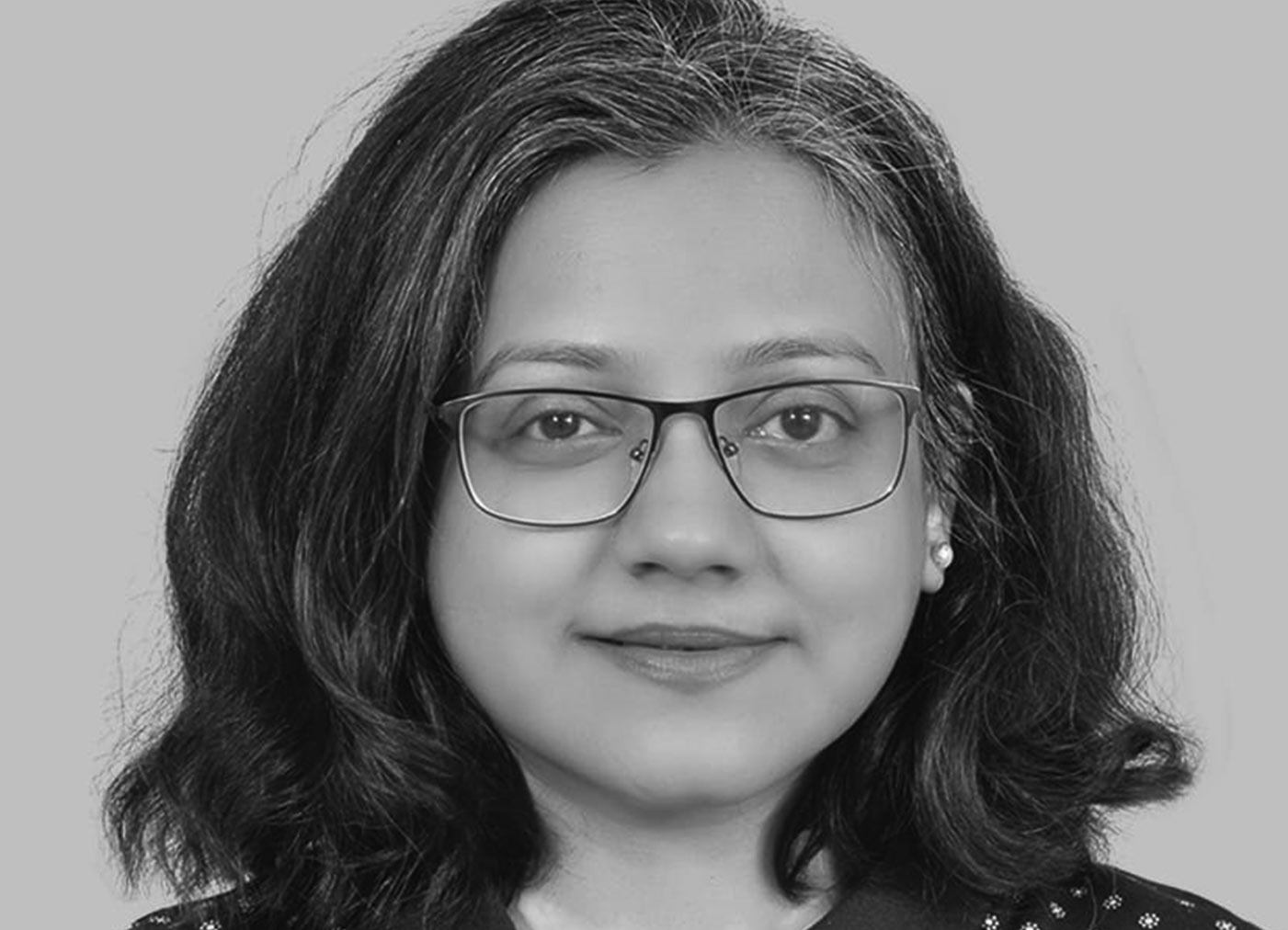
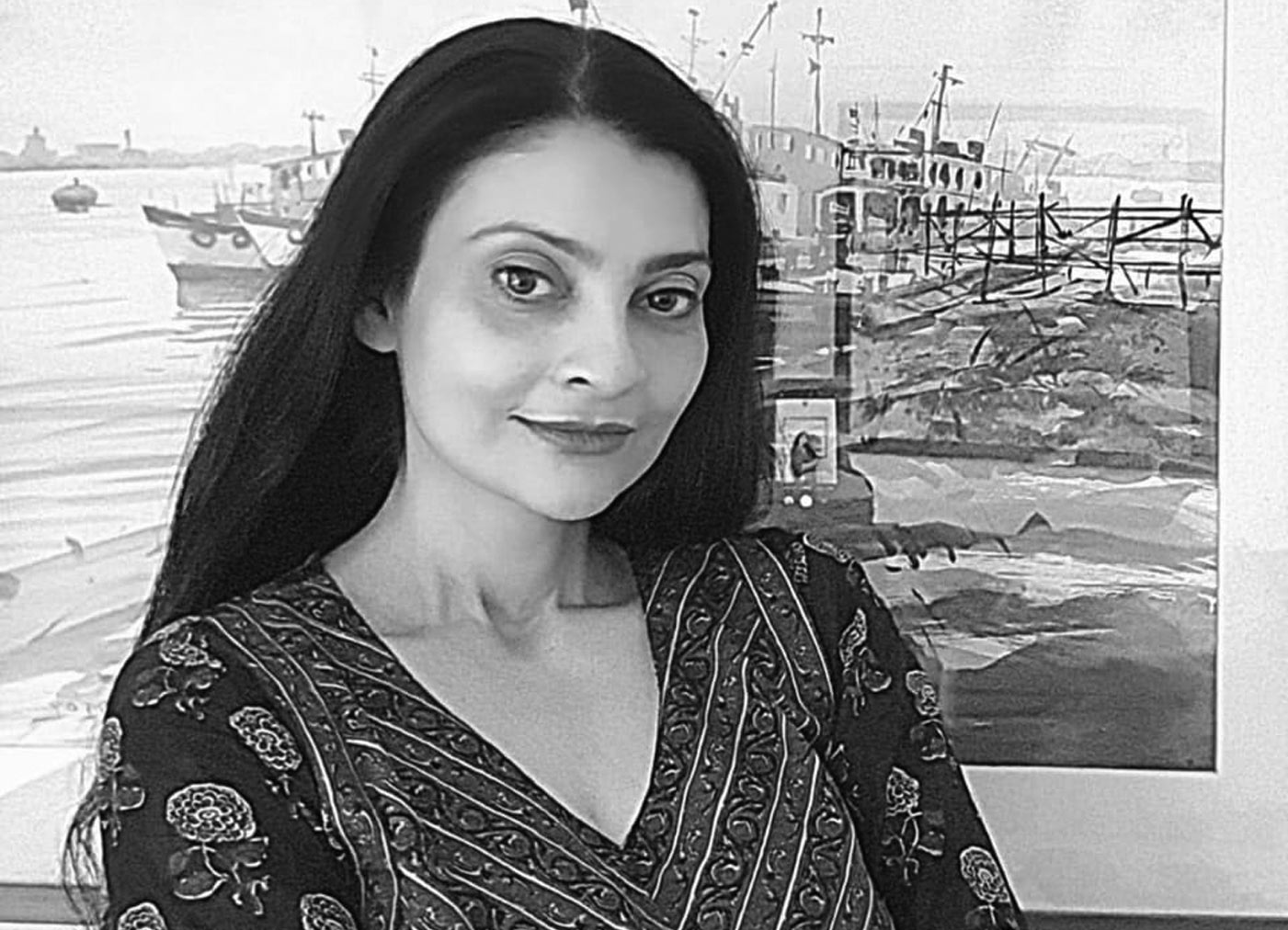
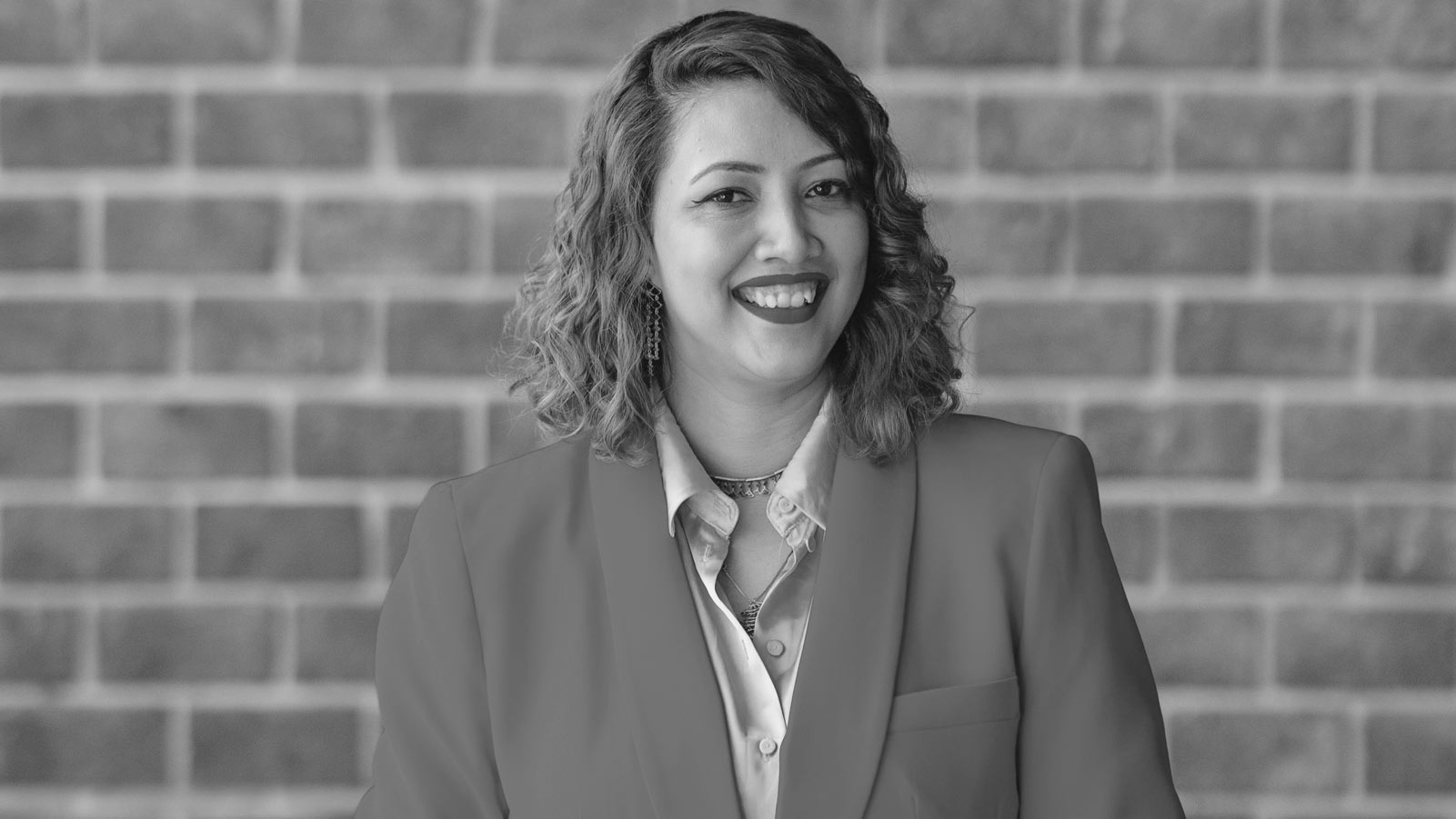
Next up, we speak with Ekta Kabra, Vice-Chairperson and Managing Director of Kabra Extrusiontechnik Ltd.
In our conversation, Ekta reflects on what this year’s IWD theme means to her — both professionally and personally — and how her understanding of fairness has shifted over time, from equal treatment toward a more intentional approach that accounts for unconscious bias. She also speaks to the responsibility senior leaders carry in building equitable workplaces, arguing that equity must be modeled at every level rather than delegated to HR.

She also discusses her pride in initiatives that have placed women in technical and operational roles within her organization, including a women-run manufacturing line at the Chakan facility in Pune, and the change she most wants to see for the next generation: ambition in women treated as completely natural.
The theme for International Women’s Day 2026 is “Rights. Justice. Action. For ALL Women and Girls.” What does this mean to you professionally and personally?
For me, the theme “Rights. Justice. Action. For ALL Women and Girls” is a reminder that progress should move beyond intent to tangible change. Professionally, it means creating environments where women are not just included, but trusted with responsibility, leadership, and decision-making. In sectors like manufacturing and energy, traditionally seen as male-dominated, real action lies in expanding opportunities, mentoring emerging talent, and ensuring that capability is recognised without bias.
Personally, it strengthens the belief that equality is built through everyday choices: encouraging women to pursue education in technical fields, supporting career continuity, and normalising women in leadership roles.
The theme is ultimately about moving from conversation to accountability, ensuring that opportunity, dignity, and progress are accessible to every woman and girl, not just a few.
When more women are able to participate fully in industries that shape the future, from advanced manufacturing to green energy, the impact extends far beyond workplaces to families, communities, and the broader economy.
To me, the theme is ultimately about moving from conversation to accountability, ensuring that opportunity, dignity, and progress are accessible to every woman and girl, not just a few.
What first drew you to your industry, and was there a defining moment that set your career in motion? Was there a role model who influenced you early on?
Manufacturing has always fascinated me because of its ability to shape entire ecosystems. My early years working at Kabra Extrusiontechnik Limited gave me close exposure to how engineering, materials, and technology come together to build systems that power everyday infrastructure. That experience helped me appreciate the scale of impact that strong manufacturing capabilities can create over time.
Around the time when electric mobility was beginning to take shape in India, it was clear that a major transformation was underway. The growth of electric vehicles would inevitably require reliable and scalable battery technology. This led to the creation of Battrixx in 2018 as the future technologies and EV battery division of the company. The vision was to build advanced lithium-ion battery solutions in India while leveraging the group’s long-standing expertise in engineering and manufacturing.
Over time, as the green energy ecosystem evolved, it became evident that battery technologies would also play an important role in broader energy storage applications. This journey eventually led to the evolution of the brand into GEON, reflecting a wider commitment to building reliable and sustainable energy solutions for multiple sectors.
In terms of role models, I’ve been fortunate to learn from the entrepreneurial mindset that has shaped the group over generations. Watching leaders around me build with patience, resilience, and a long-term perspective has had a lasting influence on how I approach leadership.
How has your understanding of fairness changed as you’ve gained experience and seniority?
Early in my career, I thought fairness meant treating everyone exactly the same. Over time, I’ve realised it’s more nuanced than that. True fairness is about understanding individual strengths, circumstances, and aspirations and creating the right environment for each person to succeed.
Early in my career, I thought fairness meant treating everyone exactly the same. Over time, I’ve realised it’s more nuanced than that.
Equality is important, but equity requires thought and intention. As I’ve grown into leadership roles, I’ve seen that policies alone don’t guarantee fairness. Culture does. It shows up in who gets challenging assignments, who is encouraged to voice ideas, and who is trusted with larger responsibilities.
With experience has also come greater awareness of unconscious bias, including my own. Fairness is not a fixed state. It demands ongoing reflection, honest conversations, and the courage to course-correct when needed.
As conversations around women and work have evolved, what do you think has genuinely improved—and where do you think more attention and action are still needed?
There is far more visibility today. Women leaders are being profiled, their achievements are being recognised, and conversations about flexibility and inclusion are more open. That is real progress. However, representation in core industrial sectors, technology, and boardrooms still needs sustained effort. In manufacturing especially, we need to normalise women in operations, engineering, and plant leadership roles.
Another area that needs attention is sponsorship. Mentorship is valuable, but sponsorship moves careers forward. We must ensure that talented women are not just supported but actively advocated for in decision-making rooms.
Is there a project or initiative you’ve worked on related to women’s empowerment that you’re particularly proud of? What made it meaningful to you?
I am particularly proud of initiatives within our group that focus on creating real pathways for women in technical and operational roles. We have consciously encouraged women to take on roles across engineering, manufacturing, R&D, and leadership functions. At our Chakan facility in Pune, we have a women-run manufacturing line, where women manage key stages of the production process.
What makes this meaningful for me is seeing how confidence and ownership grow over time.
The facility, developed by GEON, marks an important step in strengthening India’s domestic capabilities in energy storage manufacturing and stands among the country’s high-capacity facilities of its kind. It enables us to manufacture a wide range of solutions locally, including EV battery packs, lithium-ion inverter batteries, modular and containerised BESS systems, and integrated energy management solutions.
What makes this meaningful for me is seeing how confidence and ownership grow over time. Empowerment, in my view, is not about announcements; it is about sustained opportunity. When women are trusted with critical roles, whether in engineering, manufacturing, or leadership, it gradually changes how organisations evolve. Seeing young professionals choose to stay, learn, and grow within the organisation because they see a future here is what makes these efforts truly worthwhile.
What responsibility do senior leaders have in shaping more equitable workplaces, beyond statements or policies?
Senior leaders shape culture through everyday decisions. Teams notice what you reward, who you promote, and what behaviour you tolerate. That is where equity is truly defined. Our role is to build systems that are transparent and fair, clear performance metrics, structured growth pathways, and diverse hiring and evaluation panels.
But it goes beyond structure. Leaders must actively address bias when they see it and ensure people receive credit for their work. Creating psychological safety is equally important. When individuals feel respected and heard, they contribute more confidently and creatively. Equity cannot sit only within HR. It has to be owned, modelled, and reinforced by leadership at every level.
What is one change you would like to see in workplaces for the next generation of women?
I would like to see ambition in women treated as completely natural. Wanting leadership, scale, and responsibility should never require explanation. The future workplace must evaluate people on performance and contribution, not perception. Flexibility should be normal, not something that invites doubt about commitment.
I also hope young women are given broader exposure early in their careers, especially in sectors like manufacturing and clean energy, where representation is still evolving. When women see others leading across functions, operations, strategy, technology, their own sense of possibility expands. The next generation deserves environments that encourage aspiration without hesitation.
Quick Hits:
A trend you are excited about, or not excited about
I am excited about how green energy and advanced manufacturing are coming together in India. When sustainability and industry grow side by side, it can truly shape the future of our country. I believe this combination will define the next decade.
A creative campaign or representation of women that inspired you or made you feel seen (please share a link to a video or image)
The campaign “#ShareTheLoad” by Ariel really stayed with me. It spoke about sharing responsibilities at home and challenged old mindsets in a simple yet powerful way. It made an important message feel relatable and real.
A piece of advice that stayed with you longer than expected
Focus on building competence. Confidence follows.