Though International Women’s Day is behind us, we are continuing to spotlight voices from across the industry as part of our IWD Voices series, with leaders sharing their journeys, experiences, insights, and the lessons that have shaped them.
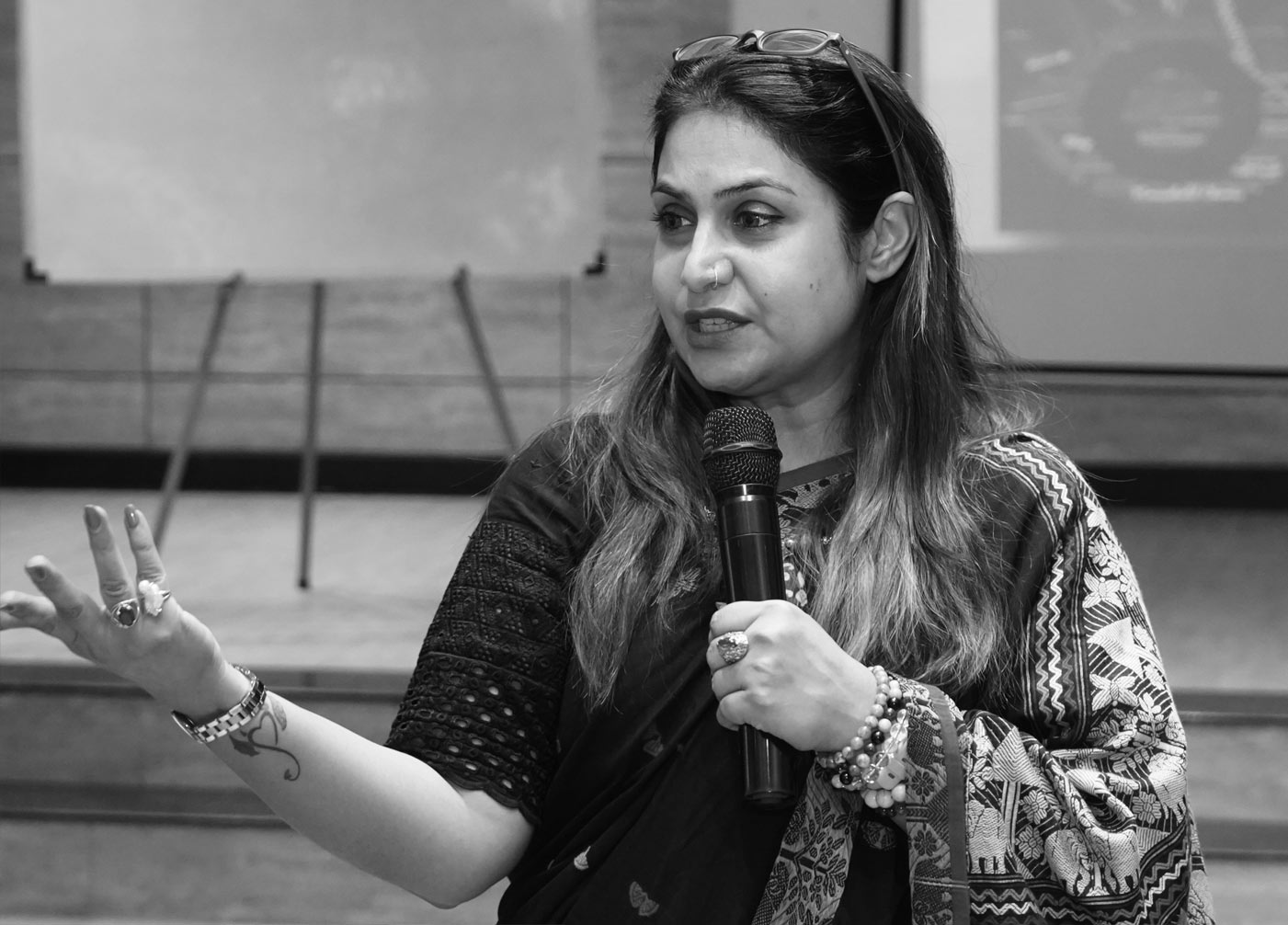
Next up, we speak with Tanvi Lunawat, Director of Operations at Institute of Sports Science and Technology (ISST), Pune.
In our conversation, Tanvi reflects on what this year’s IWD theme means to her and how her understanding of fairness has evolved with experience and seniority. She also addresses what has genuinely improved for women at work and where meaningful action is still needed.

She also discusses the responsibility senior leaders have in shaping equitable workplaces beyond policies, and the change she hopes the next generation of women will see as a matter of course.
The theme for International Women’s Day 2026 is “Rights. Justice. Action. For ALL Women and Girls.” What does this mean to you professionally and personally?
To me, this theme is a reminder that empowerment must move beyond conversations into real action. Professionally, it means creating environments where women are given equal opportunities to lead, grow, and make decisions—especially in industries like sports that have traditionally been male-dominated. Personally, it reinforces my belief that when women support and uplift each other, we create stronger communities. Rights and justice must translate into everyday actions—mentorship, opportunities, and trust—so that every woman and girl can realize her potential.
What first drew you to your industry, and was there a defining moment that set your career in motion? Was there a role model who influenced you early on?
What drew me to the sports and education ecosystem was the power it has to shape lives, build discipline, and create opportunities for young people. Over time, I realized that this industry also needed more women in leadership and decision-making roles. That realization became a defining motivation for me.

I have been fortunate to learn from leaders around me who believed in creating opportunities based on merit, and that belief has strongly influenced the way I approach leadership today.
As leaders, we have the responsibility to create environments where talent is recognized, voices are heard, and individuals feel confident contributing their ideas.
How has your understanding of fairness changed as you’ve gained experience and seniority?
Early in my career, I believed fairness simply meant equal opportunities. With experience, I have realized that true fairness also requires understanding the different challenges people face and ensuring systems are designed to support everyone’s growth. As leaders, we have the responsibility to create environments where talent is recognized, voices are heard, and individuals feel confident contributing their ideas.
As conversations around women and work have evolved, what do you think has genuinely improved—and where do you think more attention and action are still needed?
One positive shift has been the increasing recognition of women as leaders, decision-makers, and entrepreneurs across industries. Conversations around diversity and inclusion are now more visible and intentional. However, representation still needs to translate into meaningful opportunities—especially in sectors like sports where leadership roles are still largely male-dominated. The next step is ensuring women are not only present but empowered to influence decisions and shape the direction of organizations.
Is there a project or initiative you’ve worked on related to women’s empowerment that you’re particularly proud of? What made it meaningful to you?
One of the initiatives that is particularly meaningful to me is working towards creating opportunities for women within the sports education ecosystem. Being able to mentor young women, encourage them to take leadership roles, and support their professional growth has been incredibly rewarding. Seeing women gain confidence and pursue careers in sports management and related fields is a reminder that small efforts can create long-term impact.
Senior leaders play a critical role in setting the tone for organizational culture. Beyond policies, it is about everyday actions—how opportunities are distributed, how voices are heard, and how mentorship is encouraged.
What responsibility do senior leaders have in shaping more equitable workplaces, beyond statements or policies?
Senior leaders play a critical role in setting the tone for organizational culture. Beyond policies, it is about everyday actions—how opportunities are distributed, how voices are heard, and how mentorship is encouraged. Leaders must actively create spaces where women feel confident contributing ideas and taking on leadership roles. Real change happens when inclusion becomes part of the culture rather than just a statement.
What is one change you would like to see in workplaces for the next generation of women?
I would like to see workplaces where leadership diversity is the norm rather than the exception. The next generation of women should not have to question whether they belong in a room—they should feel naturally included in conversations, decisions, and leadership roles. Creating that environment will allow talent and ambition to thrive without limitations.
Quick Hits
A trend you are excited about:
The growing number of women entering sports management, leadership roles, and entrepreneurship within the sports industry.
A creative campaign or representation of women that inspired you:
The Nike “Dream Crazier” campaign featuring Serena Williams. It powerfully captures how women in sports continue to challenge stereotypes and redefine possibilities.
A piece of advice that stayed with you longer than expected:
“Confidence grows when you take responsibility.” That advice has stayed with me because leadership often begins with simply believing you are capable of stepping forward.