We are dedicating the entire month of March to spotlighting voices from across the industry as part of our IWD Voices series. Leaders will share their journeys, experiences, insights, and the lessons that have shaped them.
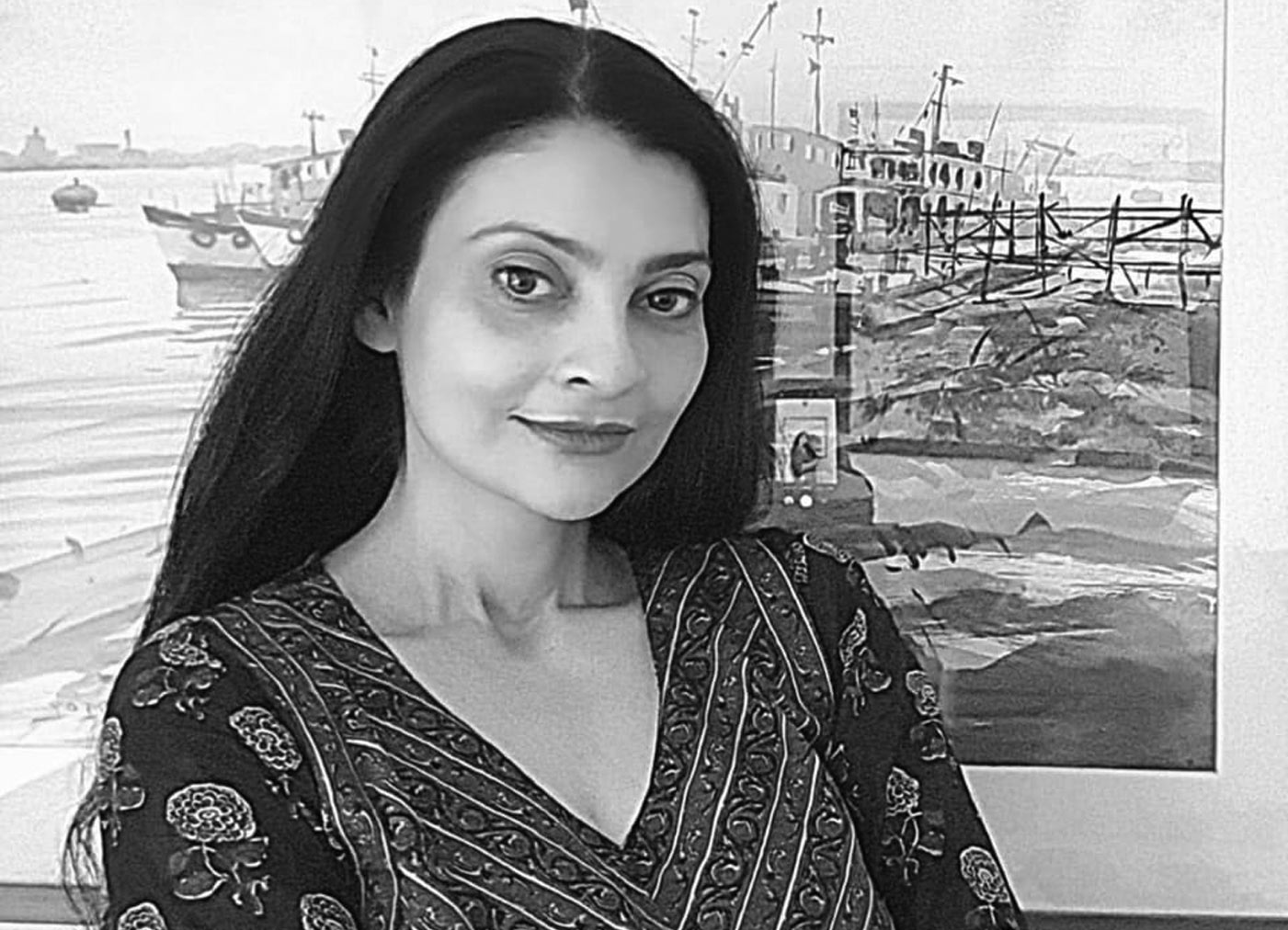
Next up, we speak with Shubha Sunil, Co-Founder and Promoter at Stanley Lifestyles.
In our conversation, Shubha reflects on what this year’s IWD theme means to her, stating that opportunity must be intentional rather than incidental, and that fairness requires systems designed to let merit thrive without bias.

She also discusses the growth pathways Stanley has created for women across design, retail, and corporate functions, and the responsibility senior leaders carry in shaping equitable workplaces through daily culture rather than policy alone.
The theme for International Women’s Day 2026 is “Rights. Justice. Action. For ALL Women and Girls.” What does this mean to you professionally and personally?
Professionally, it is a reminder that opportunity must be intentional – not incidental. Fairness in the workplace requires systems that enable merit to thrive without bias. Personally, it reinforces the importance of creating environments where women feel seen, heard, and empowered to lead without dilution of their identity.
What first drew you to your industry, and was there a defining moment that set your career in motion? Was there a role model who influenced you early on?
I was drawn to the intersection of design, craftsmanship, and entrepreneurship because it allowed me to combine creativity with institution-building. Home interiors are deeply emotional spaces – they influence how people live and connect. The opportunity to shape those spaces meaningfully was compelling.
A defining moment came in the early years of building Stanley Lifestyles, when I recognized that India’s luxury market could be rooted in Indian craftsmanship while achieving global standards of quality and experience. Conversations and collaboration with my husband, Sunil Suresh, played a significant role in shaping that long-term vision.
I have always admired leaders who combine strategic clarity with operational rigor – individuals who build enduring brands rather than short-term success.
How has your understanding of fairness changed as you’ve gained experience and seniority?
Early in my career, fairness meant equal opportunity. With experience, I’ve realised it also means equitable support.
True fairness lies in recognising potential and creating the right ecosystem for it to flourish.
Different journeys require different enablers. True fairness lies in recognising potential and creating the right ecosystem for it to flourish.
As conversations around women and work have evolved, what do you think has genuinely improved—and where do you think more attention and action are still needed?
There is greater visibility of women in leadership today, and that is encouraging. However, representation must be matched with decision-making authority. We need to move beyond symbolic inclusion toward structural influence and sustained mentorship.
Is there a project or initiative you’ve worked on related to women’s empowerment that you’re particularly proud of? What made it meaningful to you?
At Stanley, we have consciously nurtured women leaders across design, retail, and corporate functions. Creating growth pathways and encouraging women to step into strategic roles has been particularly meaningful. Empowerment, to me, is about access and advancement – not just acknowledgement.
What responsibility do senior leaders have in shaping more equitable workplaces, beyond statements or policies?
Leadership must translate intent into action. Beyond policies, it is about daily culture – how decisions are made, how voices are invited, and how credit is distributed. Senior leaders set the tone through consistency and accountability.
What is one change you would like to see in workplaces for the next generation of women?
I would like to see workplaces where women do not feel compelled to overprove competence. Confidence should not require constant validation.
Quick Hits:
A trend you are excited about
The increasing integration of technology and craftsmanship in design.
A creative campaign or representation of women that inspired you or made you feel seen (please share a link to a video or image)
Nike – “Dream Crazier” campaign featuring Serena Williams – a powerful portrayal of resilience and unwavering ambition.
A piece of advice that stayed with you longer than expected
“Consistency builds credibility.”