
A conversation with the Founder and Design Principal of Studio IV Designs on India’s layered design landscape, the influence of craft and context, the clarity that shapes her narratives, client engagement, and the opportunities ahead for emerging designers.
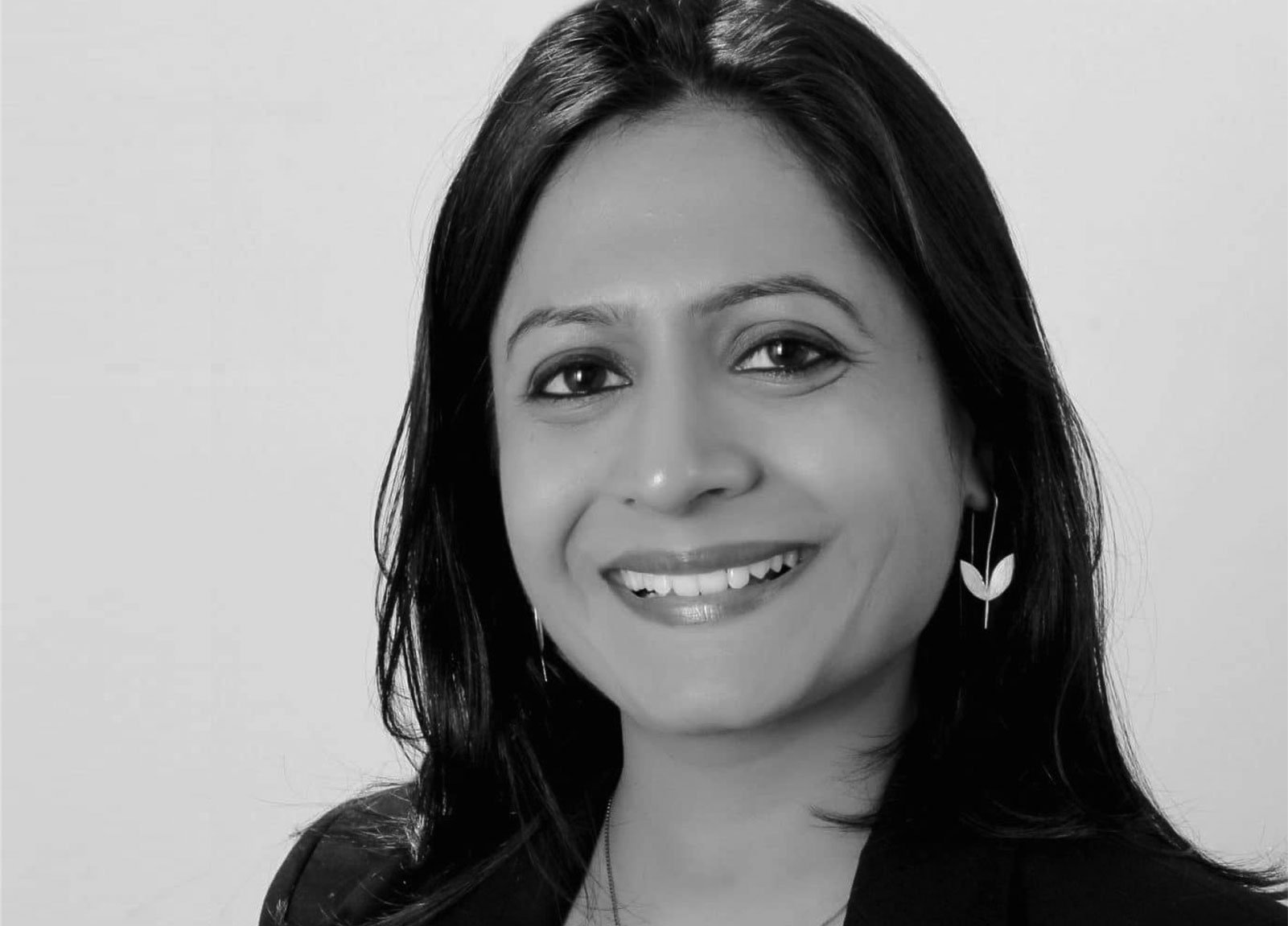

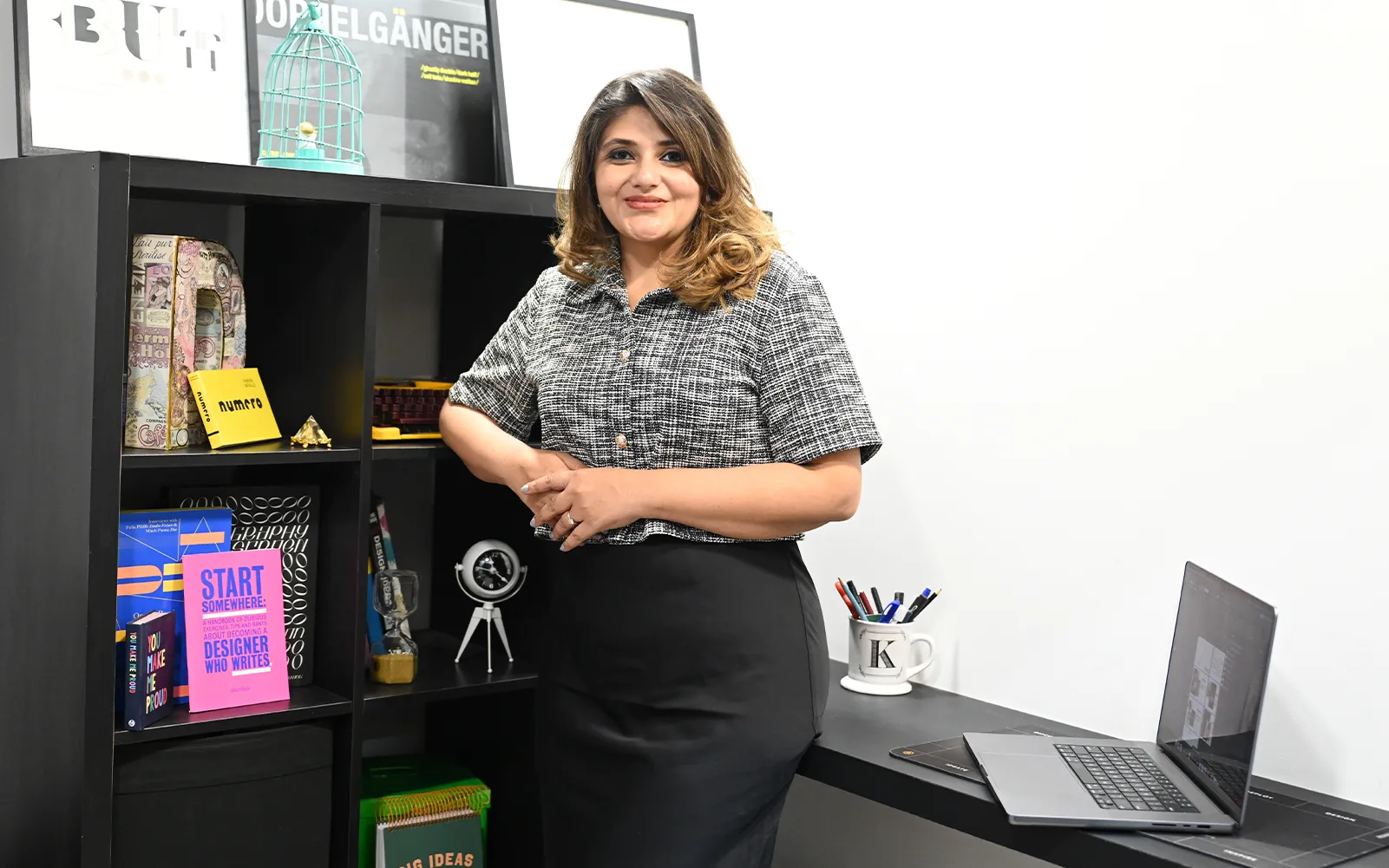
As part of our Indian Design in Focus series, we spoke with Vandana Dhawan Saxena, Founder and Design Principal of Gurugram-based Studio IV Designs, a multidisciplinary practice working across architecture, interiors, graphics, and branding. The studio’s projects range from hospitality and F&B to retail, commercial, and residential work, supported by a team with backgrounds in architecture, interior design, graphic design, and visualization.
In our conversation, Vandana reflects on the layered nature of Indian design, the role of traditional craft in shaping context, the importance of clarity and narrative in her process, and the balance she seeks between a defined brief and creative freedom.
She also discusses how sustainability is becoming a deeper focus for the studio and how thoughtful reasoning helps clients embrace design decisions with confidence.
When asked how she approaches storytelling in her work, she told us that “There are many, many layers to every project. Our goal is to craft one clear narrative within this complexity. When the narrative is clear, every decision — big or small — finds its place in a larger story.”


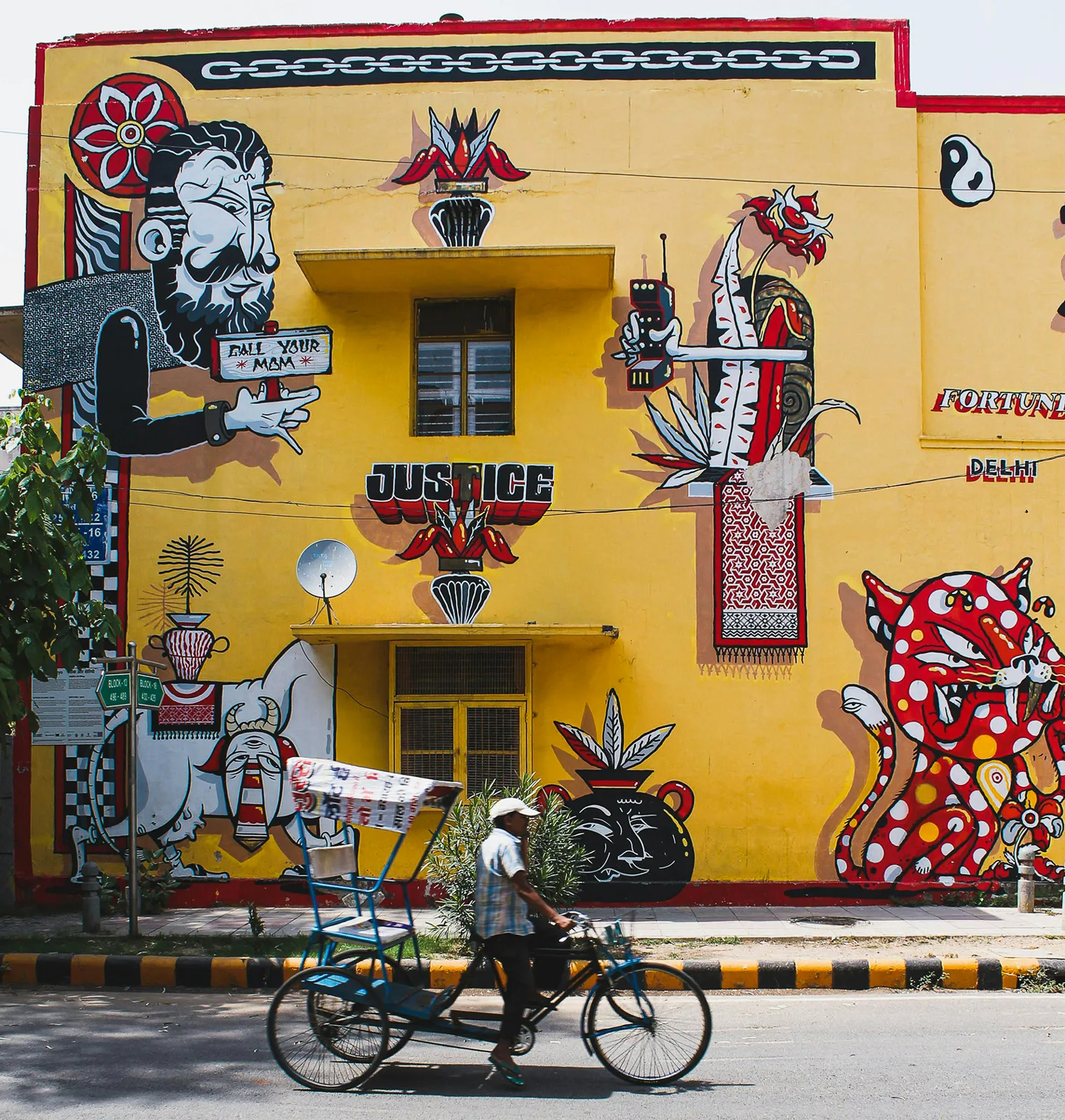
Indian design stands apart because of its diversity. Every region carries its own cultural, social, and climatic nuances, which means there’s no single way of building or designing here.
In a time when spaces across the world often feel interchangeable, Indian design still insists on belonging—authentically—to its context, community, and culture.
Traditional crafts and artworks are central to our design philosophy at Studio IV Designs. They don’t just decorate a project; they root it in something deeper and more meaningful. We enjoy working with artisans and drawing from these traditions, which bring texture and richness to the spaces we create. At the same time, we remain open to learning from other cultures, especially in how they reinterpret heritage for the present day.
We enjoy working with artisans and drawing from these traditions, which bring texture and richness to the spaces we create.
India’s richness lies in its many layers—language, craft, food, and tradition. Every project is an opportunity to weave these layers into a clear and purposeful narrative.
We value the clarity of a set brief because it anchors the vision, but we also rely on creative freedom to respond to regional details and contextual needs. The balance is essential: each design decision must contribute to the larger idea of creating spaces that allow for meaningful engagement.
There are different ways of telling a client’s story. With homes, the story is literally the life story of the homeowner. With offices and retail brands, it is the brand story and ethos that becomes essential to capture. And with hospitality projects, it’s a mix – we need to tell the story of the brand, and the place and its people. Telling these stories is critical to the way we work – to create places that truly belong.
How do we do this? By striving for clarity. There are many, many layers to every project. Our goal is to craft one clear narrative within this complexity. When the narrative is clear, every decision–big or small–finds its place in a larger story.
For instance, in our design for EY’s office in north India, the clients’ ethos, global presence, and brand identity is spatially translated through a space that has a museum-like quality. Sophisticated, self-assured, and not at all screaming for validation–just like the client company. All the while, regional and contemporary art and crafts root the design in its physical context, creating a truly authentic experience.


I find that clients today seek a balance between innovation and a strong connection to the local context. They are well-travelled and clear about the direction they want to take.
When grounded in reasoning, clients are more willing to buy into why a space or building should take a certain form, and they are able to recognize the logic behind the designer’s intent.
As designers, our role is to present a narrative and the rationale behind each detail or design move, refining elements through thoughtful dialogue. When grounded in reasoning, clients are more willing to buy into why a space or building should take a certain form, and they are able to recognize the logic behind the designer’s intent.
The biggest opportunity is for designers to become developers, where they can truly apply themselves and present a more cohesive vision in master planning, landscape, architecture and interior design
A recent project that is especially meaningful to us is the redesign of Taj Cidade de Goa Heritage, a resort originally designed by Charles Correa over 40 years ago in Goa. Correa had envisioned the resort as a Portuguese hamlet, and our work allowed us to immerse ourselves in both Goan and Portuguese architecture and culture.
It was both a privilege and a responsibility to work with a site and legacy of such significance, and the result has been an entirely new interior narrative that gels so beautifully with the old.
We studied motifs, symbols, and spatial patterns from both these contexts, not to replicate them, but to reinterpret them in a way that enhances Correa’s original vision while grounding the design in its Goan context. It was both a privilege and a responsibility to work with a site and legacy of such significance, and the result has been an entirely new interior narrative that gels so beautifully with the old.
The Sun Temple at Konark or the Jagannath Temple in Odisha. North Indian temple architecture captures the essence of Indian design—the layered journey through halls, the mandala-based geometry, and the soaring shikhara that connects earth to the divine. It’s both a spatial and spiritual experience.
Vikram Goyal. His ability to merge innovative craftsmanship with contemporary design is deeply inspiring.
Artisanal crafts, handlooms, and local wares. I draw a lot from walking through old bazaars, speaking with craftspeople, and studying historic monuments and palaces.
I’m also inspired by how fashion labels like Nicobar, Payal Khandwala, Anita Dongre, Kharakapas, and Cord Studio reinterpret Indian textiles for today.


You can learn more at www.studioiv.in
All images provided by Studio IV
To see more photographic work by Noughts & Crosses, go here.