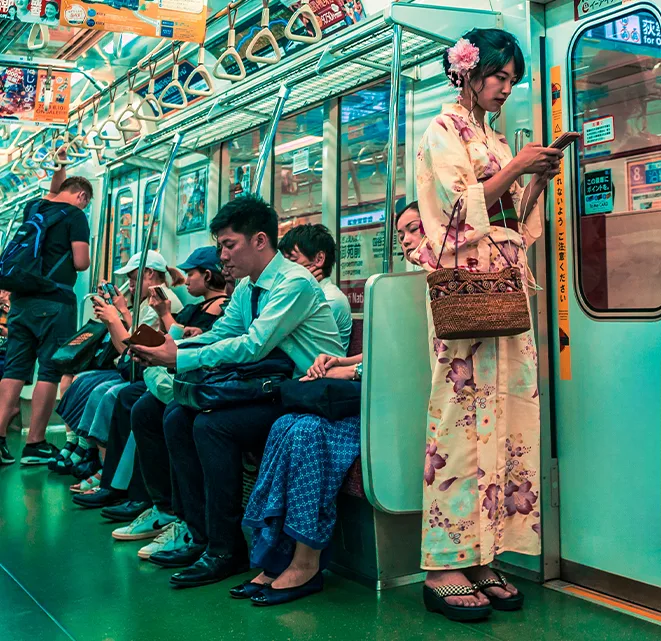
In Southeast Asia, all media is social; the conversation never stops and enjoying experiences with others is just as important, if not more so, than the moments themselves.
This strong connectivity is great news for brands looking to drive large-scale reach as audiences scroll and swipe across videos, posts, streaming content, and games. The question is: how can advertisers harness these channels effectively and walk the careful line between sparking interest and being intrusive?
Live video – unifying audiences in the moment
The joy of live events is that they bring people together. Whether you’re at the event itself or watching something via live video, the sense of community is powerful. These events often become cultural moments where both casual viewers and die-hard fandoms of all ages come together. At the latest Southeast Asia Games, for example, more than one million people watched the action through live video, marking the highest level of concurrent viewing to date.

These shared moments build connections and trust, not only between viewers but between advertisers and their audiences, powered by content becoming more available across a larger variety of platforms, from OTT, CTV and apps, to websites or social media. If advertisers get their strategies right, this delivers greater access and scalability across the whole funnel, especially as artificial intelligence and Large Language Models (LLMs) continue to evolve.
A key challenge, however, is also what makes live video so exciting: its unpredictability.
In the midst of trying to keep up with real-time moments and reactions, providing a seamless audience experience that doesn’t intrude on live action is hard. Advertisers should incorporate a wide array of channels to engage fans away from where they’re watching.

This is even more important as the biggest live events increasingly move behind paywalls, meaning campaigns will need to be optimised to consider off-channel attention and engagement, as well as those viewing the events in the moment. In turn, this opens up potential for smaller brands to diversify the channels where they engage with fans, maximising the impact of major events that typically command much larger budgets than they can afford.
The joy of live events is that they bring people together… these events often become cultural moments where both casual viewers and die-hard fandoms of all ages come together.
Pauses in live video content also create standout opportunities for advertisers. Ad breaks can essentially be turned into shopping channels, using tools such as QR codes, for example. These very effective shoppable formats deliver strong scan rates that drive engagement and lower-funnel activities.
Additionally, this approach is supported by the growth of live streaming through platforms like Lazada Live and Shopee Live, which are bringing shopping and entertainment together. They’re helping people discover new products, watch real-time demonstrations, engage directly with the sellers and buy immediately. Technology is reducing the friction around commerce, and for brands wanting to take advantage of the promotional opportunities, programmatic will be critical to ensuring these can be smart, scalable and in real-time.
Gaming – integrating advertising into the experience
Just as with live video, gaming is a market that has real momentum, driven by a culture in which players care deeply about their games and communities.
Gamers don’t inherently dislike ads. Many recognise that brand promotions drive a fair value exchange by making access cheaper or free. This makes understanding how audiences interact with games increasingly crucial. Those with higher incomes, for example, are more positive towards advertising than other groups, and most (51%) play while eating, opening up a wealth of opportunities for food brands. Gamers’ passion for virtual worlds and desire for authenticity, however, also means ads must create minimal disruption to their experiences.
Players who have just received a mood boost from scoring or reaching the next level are more likely to be open to ads and positive about the brands they feature.
Success lies in avoiding formats that detract from gameplay and instead ensuring integrated ads organically fit into the context of a gaming environment. For example, sports ads can enhance immersion in games by mirroring the way branding already appears in the real world, with logos and messages placed on players’ clothing or in-stadium screens. Similarly, players who have just received a mood boost from scoring or reaching the next level are more likely to be open to ads and positive about the brands they feature.

Premium VOD – the trusted environment
Between 2023 and 2024, the Southeast Asian market experienced a 7% increase in time spent watching VOD, and a 12% increase in subscribers.
Making the most of this trend, combined with advances in CTV capabilities, today’s premium publishers can leverage owned and operated distribution platforms to achieve digital-style efficiency while retaining tight control, gaining the ability to sell inventory through mixed modes, such as putting top-tier assets through direct deals and offering other placements on the open market. On the buy side, this enhanced flexibility affords the chance to snap up a broader selection of VOD slots using a more streamlined and familiar process, including the sophisticated data-based targeting features that are baked into programmatic systems and being rapidly refined and expanded by AI.
For brands looking to deliver campaigns across multiple markets, AI translation allows them to localise their content quickly and talk to their audiences outside their usual geographic scope.
By taking the wealth of data signals and data sets provided by premium VOD, such as age, gender, location, behaviour, device, operating system, and programme title, AI can simulate audiences and personas that mirror real-life segments. Interrogating these synthetic audiences helps advertisers understand their preferences and motivations, and reduces the time needed to gain deep insights to just hours. It’s a smart way to create more effective strategies based on how creatives and messaging across different platforms might resonate with target groups.

Meanwhile, for brands looking to deliver campaigns across multiple markets, AI translation allows them to localise their content quickly and talk to their audiences outside their usual geographic scope. However, to avoid missing cultural nuances, advertisers should always use in-market expertise. This ensures the authenticity of the message, as ultimately, human input keeps the brand voice and cultural relevance intact.
Often, advertising is seen as static and intrusive. What we’re seeing in Southeast Asia is ads being woven into how people live with and experience media. These live video, gaming and OTT premium content environments, coupled with their associated technology, now offer much more powerful routes for brands to connect with consumer communities in a way that builds trust, authenticity and engagement.