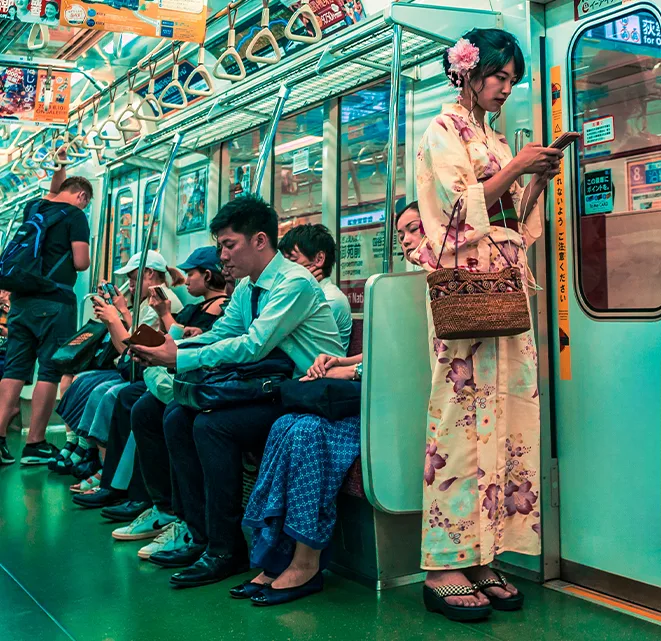
We Are Social and Meltwater have released the Digital 2027: Singapore report, which found that 89.9% of Singapore internet users aged 16 and above used an AI tool in the past month, above the worldwide figure of 85.2%.
Traditional search engines remain widely used, with 88.0% of Singapore internet users using them monthly, according to the report.
ChatGPT is the most widely used AI platform in Singapore, with 48.7% of internet users using it in the past month compared with 34.7% worldwide, followed by Google Gemini at 29.8%, the report found.

Among active AI users, finding information is the most common reason for using AI (63.4%), followed by getting advice on problems (39.6%) and saving time or increasing efficiency (36.1%), according to the report.
“AI tools are part of digital life for most internet users in Singapore, but search engines are the top source when people research a brand,” said Mimrah Mahmood, APAC Vice President of Enterprise Sales, Meltwater.
“That makes it important for brands to understand how they show up across every channel, from search and social to AI answers, and to base those decisions on what audiences actually use each channel to search, research and discover.”

Report Summary
We Are Social and Meltwater provided the following summary of the findings
How Singaporeans are using AI
ChatGPT is the most widely used AI platform in Singapore, with nearly half (48.7%) of internet users using it in the past month, compared with 34.7% worldwide. Google Gemini follows at 29.8%.
Beyond the platforms themselves, Singaporeans are turning to AI for practical everyday needs. Among active AI users, finding information is the most common reason (63.4%), followed by getting advice on problems (39.6%) and saving time or increasing efficiency (36.1%).
High use, cautious confidence
Yet despite this widespread use, comfort with AI has not reached the same level. Only 34.6% of Singapore internet users say they feel comfortable using AI tools, although Singapore ranks ninth globally for AI comfort. Paid uptake is also limited, with just 8.1% paying for an AI subscription, below the worldwide figure of 9.5%.
The brands that grow here in 2027 won’t be the most visible. They’ll be the most believed.
Beyond AI, questions of trust remain a concern in the wider digital environment. Nearly three in four (73.4%) online news consumers in Singapore are concerned about what is real and what is fake on the internet, the eighth-highest level in the report.
Traditional sources still lead purchase research
While AI is increasingly used to find information, its role in purchase research remains more limited. Only 23.0% of Singapore internet users use AI tools as a main source when researching brands, and 12.6% discover new brands through them. Instead, search engines (51.0%), product and brand websites (37.4%) and social networks (34.9%) are the most used sources for brand research.
Social media at the centre of connected life
Social media is where much of that connected life plays out. 94.0% of the Singaporean population has an active social media user identity, while internet users aged 16 and above use an average of 7.3 platforms a month. WhatsApp is the most used platform at 84.8%, while Instagram is where active users spend the most time among the major apps, at 1 hour 45 minutes a day.
Singapore also stands out for professional and community platforms, ranking fourth in the report for LinkedIn use and joint sixth for Reddit. Social is a source of information too, with more than a third of social media users saying reading news is one of their main reasons for using it, which makes questions of trust online all the more relevant.
“Singaporeans have embraced AI, but they haven’t handed it their trust,” said Arthur Altounian, Managing Director, We Are Social Singapore.
“When people aren’t sure what’s real, they turn to voices they already believe. That’s where creators matter, and it’s why creativity rooted in culture now does more for a brand than reach alone. Trust is earned in the conversation, not bought around it. The brands that grow here in 2027 won’t be the most visible. They’ll be the most believed.”
Read the full report here.