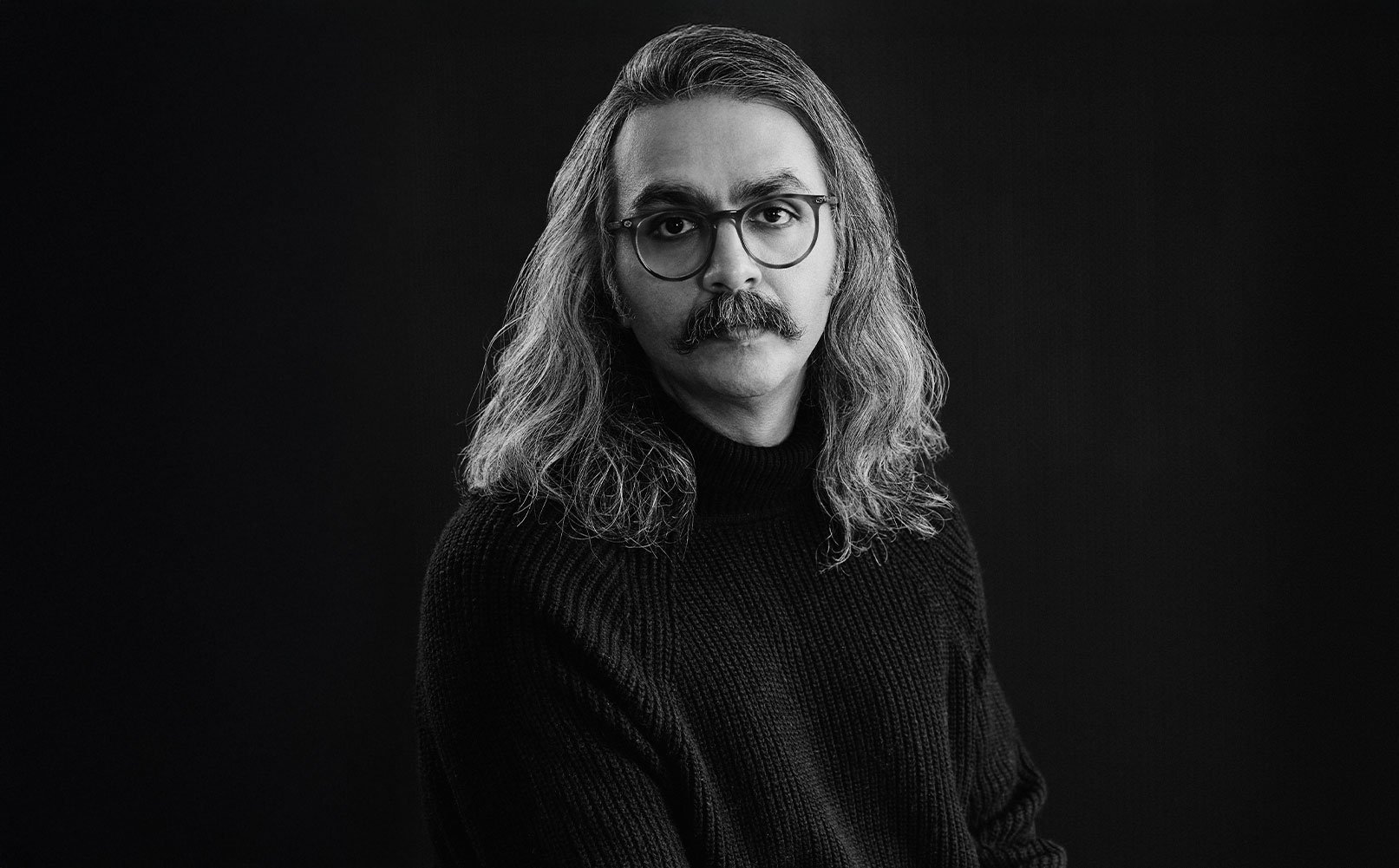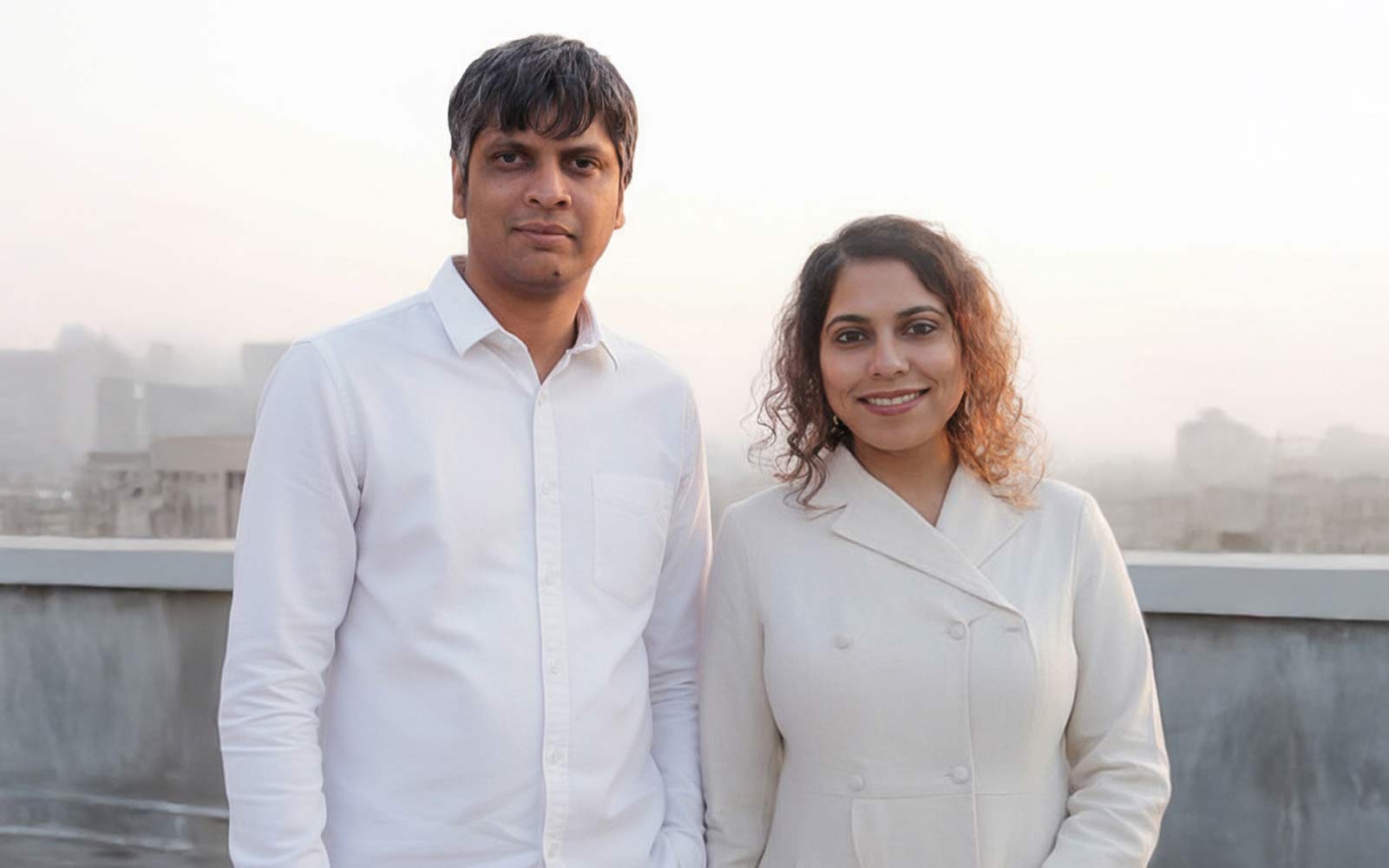

Next in our series, we speak with the Principal Designer and Co-Founder of Taliesyn Design & Architecture about what sets Indian design apart, how traditional techniques shape her work, designing across varied contexts, her views on trends, and why patience matters.


As Indian Design in Focus continues, we speak with Shalini Chandrashekar, Principal Designer and Co-Founder of Taliesyn Design & Architecture. Founded by Chandrashekar and Ar G S Mahaboob Basha in 2010, the practice works across residential, hospitality, recreational, institutional, and cultural projects throughout southern India.
Taliesyn’s philosophy centers on architecture shaped by landscape, and the vernacular paradigm of site & materiality — examining proximity, properties, and sensory impact to create meaningful spatial experiences.
In our conversation with Shalini, she reflects on what sets Indian design apart, drawing from its extensive library of materials, techniques, handicrafts, and artefacts built over centuries.
She discusses the value of regional traditions, the influence of site-specific architecture, and why understanding human behavior remains central across residential, hospitality, institutional, and cultural projects. She also shares her work on the Cabin House, her perspective on trends, the balance between a clear brief and creative evolution, and the importance of patience for young designers.


Indian design draws from an extensive library of materials, techniques, handicrafts, and artefacts built over centuries. This rich heritage offers a depth and diversity that’s hard to find elsewhere, giving designers countless references while allowing for innovation within a traditional framework.
We believe that local architecture holds the most meaning, especially when considered alongside the site’s context. Our work often incorporates local techniques, materials, and crafts, blending them with modern technology. While we respect global influences, it’s the regional traditions that form the backbone of our approach.
While we respect global influences, it’s the regional traditions that form the backbone of our approach.
At the core of every project are the users. Understanding human behavior and how people interact within a space is a constant, regardless of context. This focus allows us to create meaningful, crafted spaces that are functionally appropriate and enhance the user experience, whether it’s a home, a hotel, or a public building.
We are not big believers in following trends. Instead, we look to history, local techniques, sustainability, and natural materials. These elements consistently guide our design decisions and remain more enduring than fleeting stylistic trends.


A clear brief provides essential guidance and focus. At the same time, we build on it, adding value through the design process from conceptualization to realization. The brief gives direction, but the iterative process ensures the final design goes beyond the expected.
Patience is the most important virtue in this field. Projects take time, understanding develops over experience, and meaningful design cannot be rushed. Patience allows young designers to sustain their practice and grow steadily.
Patience is the most important virtue in this field.
The design for the Cabin House fuses elements of old Bangalore homes with a modern minimal language. Simple forms are articulated through earthy tones, exposed cement, and warm timber, creating depth and texture.
Spaces are carefully layered—the double-height living, dining, and kitchen areas connect visually with a mezzanine master bedroom—while details like the in-situ concrete basin in the washroom engage directly with the landscape.
Materiality and the dialogue between vernacular and contemporary design define the character of the house
The Madurai temple complex in Tamil Nadu. It’s a place where scale, detail, and history come together to show what Indian architecture really stands for.
Wishful thinking—but I would love to collaborate with Sabyasachi. I’ve always been inspired by how he uses high-end luxury Indian textile in a modern context and elevating it to a global level.
Indian arts and handicraft, hands down! They carry generations of knowledge, and every piece has a story that sparks new ideas.


To learn more, visit taliesyn.in
All images provided by Taliesyn Design & Architecture.
To see more photographic work from Aaron Chapman, go here.