
A conversation with the Co-Founder and Principal Designer of Beyond Designs about Indian design’s distinct identity, the role of craftsmanship and storytelling, how “meaningful maximalism” shapes his work, and more.
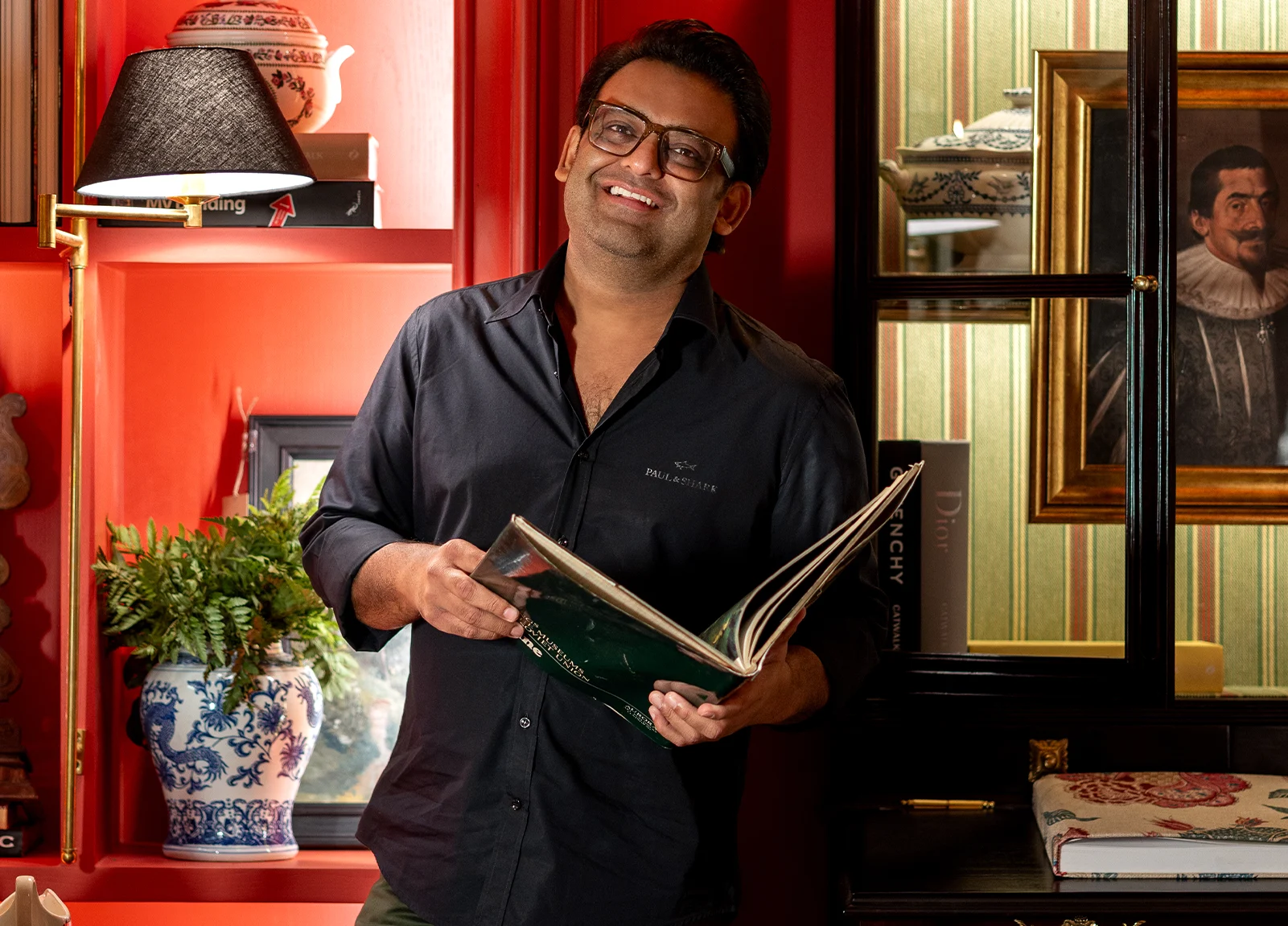

Sachin Gupta’s work is built on a design vocabulary where contemporary and classical influences blend through layering, craftsmanship, and what he describes as “meaningful maximalism.”
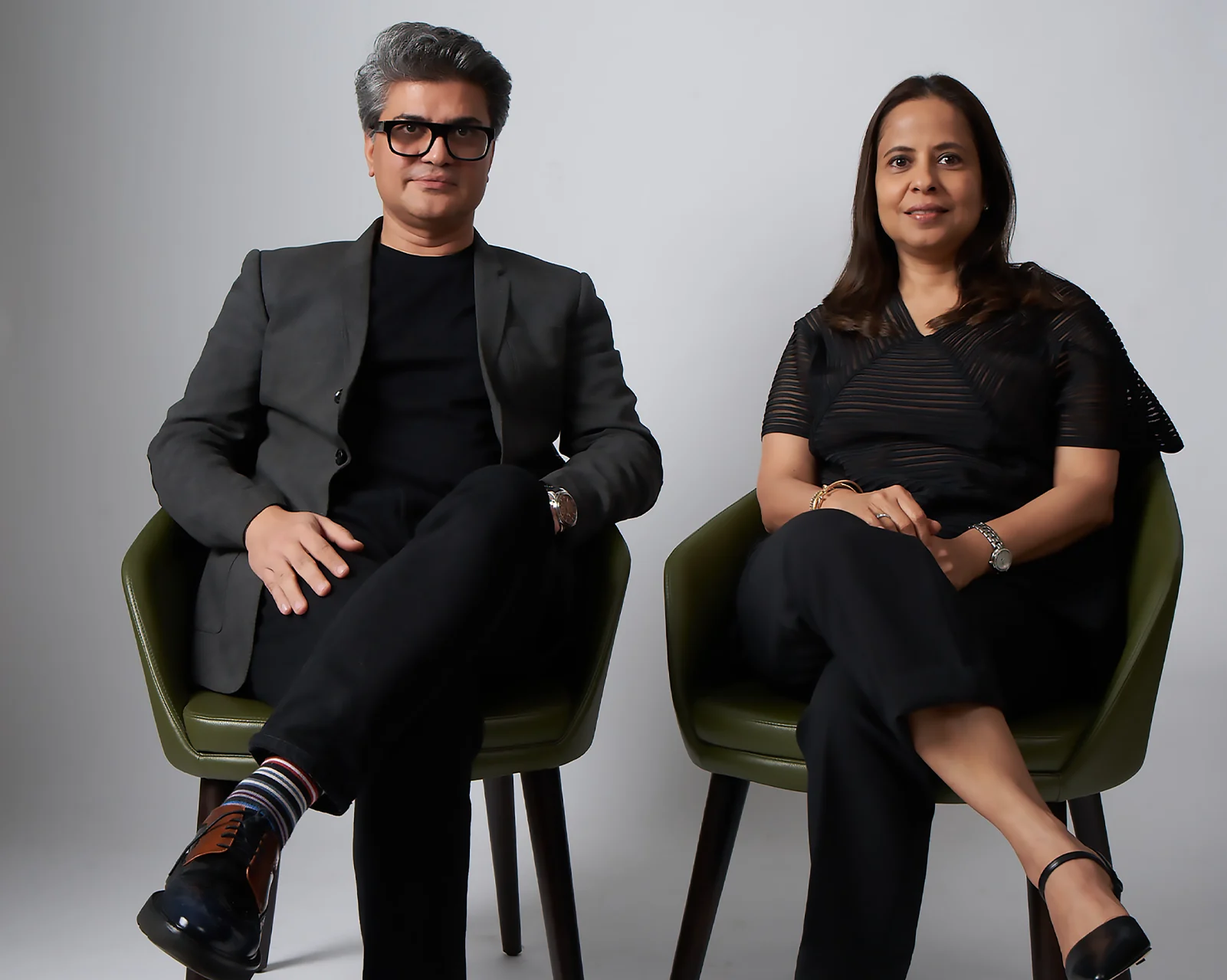
As Co-Founder and Principal Designer at Beyond Designs, he works alongside Neha Gupta to lead the luxury interior design atelier specializing in bespoke residential, retail, and hospitality spaces. Established in 2000, the studio has built a reputation for creating immersive interiors shaped by a passion for maximalism, art, antiques, and the combining of disparate styles from across continents, ages, and genres that feel timeless and avant-garde.
Their work is characterized by richly layered, luxurious spaces where every element contributes to a curated sense of depth, narrative, and detail. When asked what makes Indian design unique, Sachin told us, “Indian design celebrates contrast and coexistence—heritage with modernity, intricacy with boldness, craft with innovation.”
He also shared two projects that reflect this outlook, alongside his perspective on the broader design landscape in India.


Indian design is defined by its layering, depth, and storytelling. Unlike the often linear or minimal approaches seen globally, Indian design celebrates contrast and coexistence—heritage with modernity, intricacy with boldness, craft with innovation. It’s this ability to merge centuries-old craftsmanship with contemporary relevance that makes Indian design truly distinct.
Traditional Indian design is the very foundation of my practice. The ornamentation, handcrafted details, and artisanal skills of India continuously inform my design vocabulary.
Indian design celebrates contrast and coexistence—heritage with modernity, intricacy with boldness, craft with innovation.
At the same time, I draw inspiration from global influences like French classicism, Italian sophistication, and eclectic world cultures—not to imitate, but to create a fusion that feels timeless, layered, and globally relevant while remaining deeply Indian at its core.
For me, maximalism is not about excess—it’s about meaning. It’s the thoughtful curation of layers, textures, and narratives that come together to form a space that feels alive, soulful, and deeply personal.
“Meaningful maximalism” ensures that the richness is not just visual—it resonates with memory, emotion, and identity.
Every object, textile, and surface treatment in my projects has a role in telling a story. “Meaningful maximalism” ensures that the richness is not just visual—it resonates with memory, emotion, and identity.
The most compelling trend I see is the return to craftsmanship and tactility—people want spaces that feel handmade, not machine-produced.
There is also a growing emphasis on biophilia, adaptive reuse, and blending indoor–outdoor living. These shifts are not only environmentally responsible but also deeply human, making spaces more grounded and authentic.


A clear brief gives direction, but it’s the flexibility of creative freedom that allows me to push boundaries and surprise the client with results beyond their imagination.
The best projects, in my experience, are born when there is trust—when the brief sets intent, but the creative journey is allowed to unfold organically.
A clear brief gives direction, but it’s the flexibility of creative freedom that allows me to push boundaries and surprise the client with results beyond their imagination.
Stay rooted in craft, culture, and context. Don’t rush into trends; instead, invest in learning the process of making, the discipline of detailing, and the richness of storytelling. India offers an abundance of inspiration—use it as your foundation, and then layer your own voice onto it.
Every project is personal, but…
3rd Avenue Farm:
A sanctuary where architecture, interiors, and landscape come together to create an intimate yet expansive experience.
Every detail celebrates craftsmanship, natural light, and textures, inviting people to connect deeply with the space.
Kala Swasti Restaurant:
An immersive restaurant where design, art, and architecture enhance the culinary journey.
The space reflects culture and narrative, showing how thoughtful design transforms not just a venue, but the way people experience it.
The stepwells of Rajasthan —true masterpieces where form, function, and ornamentation come together in timeless harmony.
An Indian designer I’d love to collaborate with or have been inspired by is Vikram Goyal—renowned for his extraordinary ability to transform traditional Indian craftsmanship into contemporary, sculptural designs.
His work, especially in brass and metal techniques like repoussé, reinterprets heritage motifs with modern aesthetics.
The streets, markets, and craftspeople of Rajasthan—the living heart of India’s artisanal legacy.


To learn more, visit beyonddesigns.in
All images provided by Beyond Designs
To see more photographic work by Atul Pratap Chauhan, go here.