
Next in our series, we speak with the Associate Director at Creative Designer Architects (CDA) about what makes Indian design unique, increasing client openness to innovation, the trends shaping contemporary healthcare and public architecture, and more.


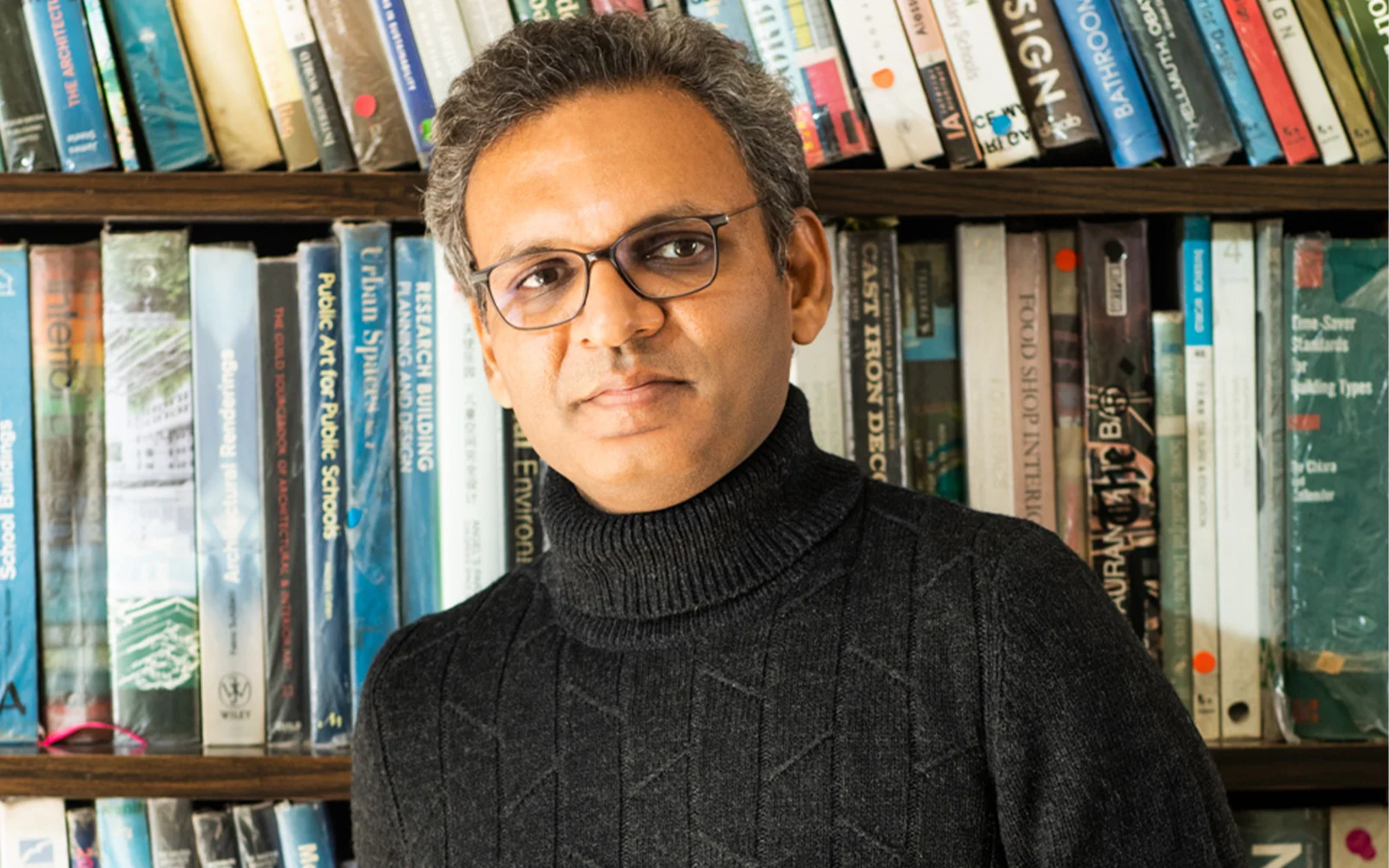
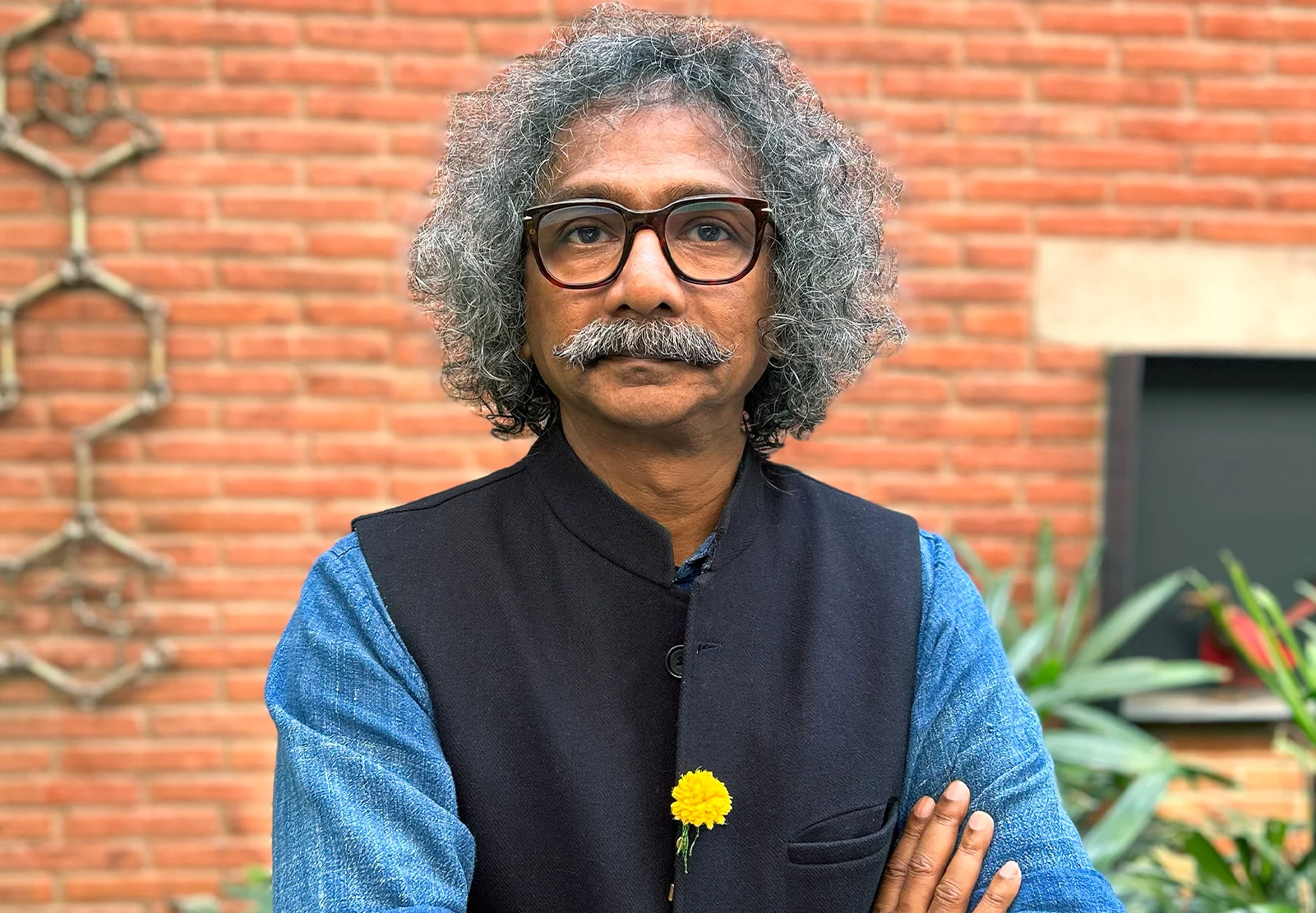
As Indian Design in Focus continues, we once again turn our focus to architectural design, this time with Ravideep Singh, Associate Director at Creative Designer Architects (CDA), whose work reflects a grounded understanding of context, technical precision, and a commitment to user-centered design.
With experience across healthcare, commercial, institutional, and urban projects, he brings a perspective shaped by India’s diversity and by the practical needs of the communities these spaces serve.
CDA is an interdisciplinary practice known for its role in healthcare design, a field in which Ravideep studied at Cornell University. The firm’s guiding principles—innovation, adaptability, and sustainability—are reflected in its work, where traditional Indian sensibilities and established global methods are applied to shape purposeful, resilient spaces.
Over the course of our conversation, Ravideep reflects on what defines Indian design, the influence of cultural foundations on contemporary practice, the increasing openness to ambitious ideas, and the roles of empathy and technology in shaping the built environment.


Indian design is inherently diverse, shaped by geography, culture, and climate. What distinguishes it on a global stage is its adaptability and its capacity to respond to local contexts while carrying meaning and memory. It balances pragmatism with human connection, creating spaces that are both functional and deeply resonant with the people who inhabit them.
We draw deeply from traditional Indian design, where courtyards, verandahs, and porous facades have long created spaces that are both climate-responsive and community-oriented. Courtyards, shaded verandahs, and porous facades that bring in light and air are features embedded in our healthcare environments.
What distinguishes Indian Design on a global stage is its adaptability and its capacity to respond to local contexts while carrying meaning and memory.
At the same time, exposure to international practices, including advanced sustainability systems, digital healthcare planning, and efficient delivery models, has expanded our perspective. Our approach brings these influences together, combining sensitivity to human experience rooted in Indian tradition with the precision of global best practices.
Two principles that guide our work across sectors are holistic well-being and adaptability. In healthcare projects, this principle is reflected in designs that actively reduce stress and support healing. In educational and institutional settings, they are expressed through spaces that foster clarity and engagement.
Two principles that guide our work across sectors are holistic well-being and adaptability.
With commercial projects, the goal is to ensure a memorable experience alongside operational efficiency. Across all sectors, our focus remains on a user-centric approach, creating spaces that serve present needs while remaining resilient and ready for the future.
Yes. Over the years, clients have become more receptive to innovation when they see that design can deliver long-term value. For example, adaptive reuse has been strongly embraced in projects such as Sarvodaya Hospital and Fortis Greater Noida, where existing structures were transformed into high-performing healthcare facilities within reduced timelines.
Demonstrating such tangible benefits—in time, cost, and community impact—helps clients gain confidence and enables them to actively support bold design choices.
In our recent healthcare projects, we have been exploring how underrepresented Indian art forms such as Sanjhi perforations, Gond storytelling murals, and Bengal terracotta reliefs can be meaningfully translated into contemporary hospital design.
Beyond aesthetics, these traditions offer therapeutic value, improve patient experience, and embed institutions within the cultural psyche of the communities they serve.


I firmly believe that design must be grounded in empathy. It is never just about creating striking forms; it is about shaping experiences that have a lasting impact on people’s lives. For me, curiosity and the ability to listen deeply to users are essential starting points.
It is never just about creating striking forms; it is about shaping experiences that have a lasting impact on people’s lives
Context should be the compass that guides creativity. At the same time, I view technology as an enabler, with tools such as BIM, digital twins, and sustainability frameworks that expand the boundaries of what we can imagine and achieve.
At CDA, our work has been influencing healthcare experiences across diverse communities in India, with several projects marking important steps in this journey. Paras Yash Kothari Hospital, Kanpur, has been particularly meaningful in extending advanced healthcare to peri-urban communities that have long been underserved.
The project focuses on creating dignity and accessibility, with designs that integrate clear circulation and a spatial hierarchy, ensuring even first-time users feel oriented and comfortable.
The Fortis Hospital in Greater Noida evolved from a defunct hotel into a 300-bed multi-speciality hospital. Using a point-cloud 3D scan to create a digital twin, complex MEP services have been integrated within the existing structure, allowing the hospital to function efficiently without compromising patient experience. The project has been demonstrating how adaptive reuse can respond to community needs while optimising resources.
Our design for AIIMS Guwahati reflects a commitment to sustainable and resilient public healthcare. The campus, spanning 1.2 million sq. ft., integrates a 750-bed hospital, educational facilities, and residential areas. It has been designed to achieve a GRIHA 5-star rating, embedding solar-passive strategies, ecological resilience, and stormwater management systems.
Together, these projects explore how architecture can quietly support well-being, create clarity, and respond to environmental and social context, emphasising empathy, sustainability, and purposeful design.
The stepwells of Gujarat and Rajasthan, where engineering, climate response, and cultural meaning converge.
While not Indian, I have been greatly inspired by Olafur Eliasson, the Icelandic–Danish artist renowned for his large-scale installations that use elemental materials such as light, water, and air to heighten sensory experience.
His explorations of light, perception, and ecology offer valuable cues on how Indian art forms could be reinterpreted to create immersive and contextually meaningful spatial experiences.
The everyday life of Indian cities, where spaces are continuously adapted and reinterpreted by their communities.


To learn more, visit www.cdaarchitects.in
All images provided by CDA