In September, Havas Red released a global white paper, In Plain Sight: The New Reality of CEO Visibility and Influence, exploring how leadership is being reshaped by forces such as AI acceleration, fractured trust, the erosion of inherited credibility, and the rise of platform-native CEOs.
The report builds on the agency’s 2020 study Leading Through Crisis, reflecting on how executive visibility has evolved from mere presence to purpose-driven engagement.
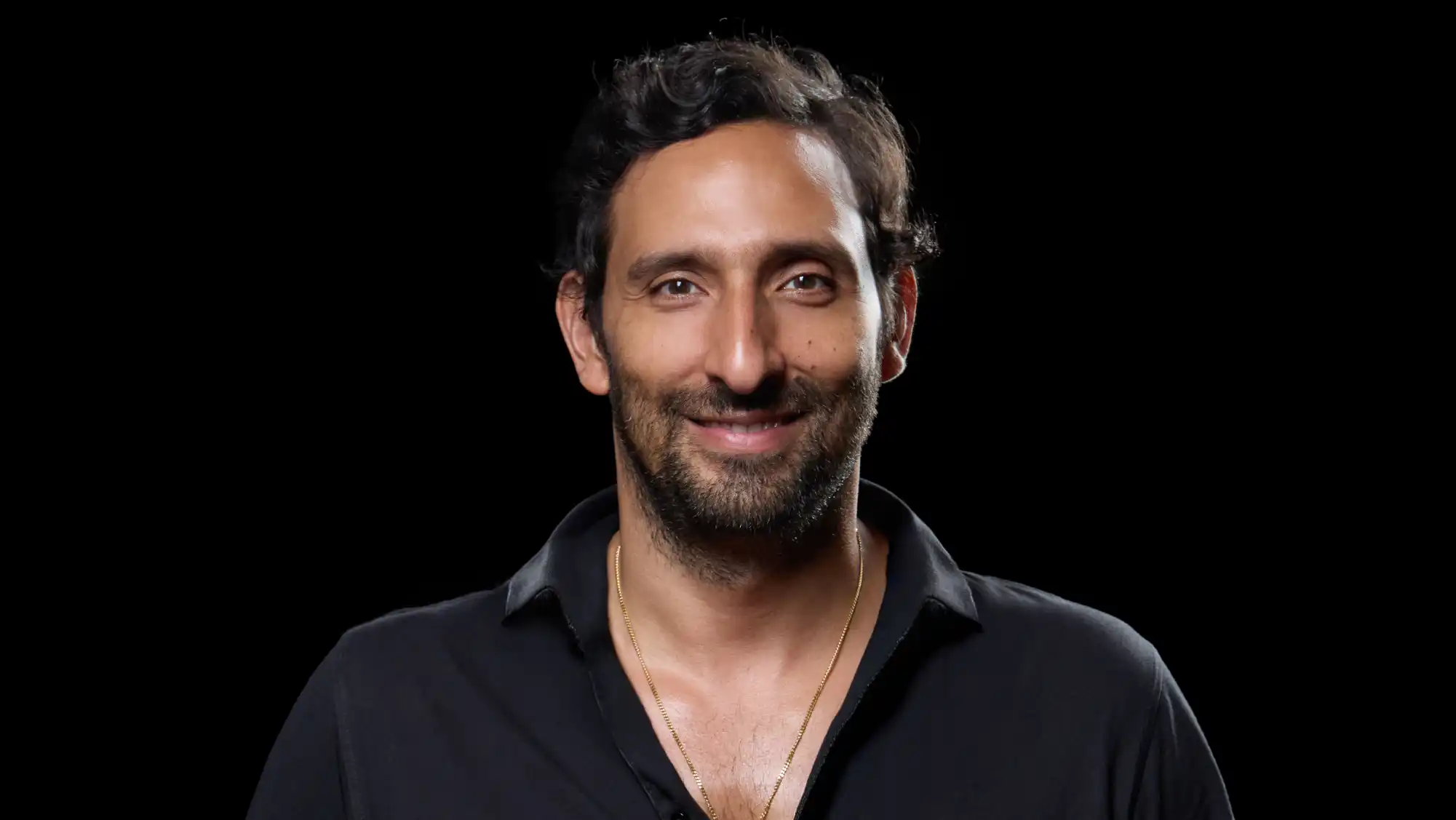
To learn more, Branding in Asia spoke with Steve Fontanot, Commercial Managing Director, APAC at Havas Red, about the findings and their implications for leaders navigating today’s evolving leadership landscape.

During our conversation, Fontanot discusses why authenticity must now be paired with accountability, how “Mixternal” communications are redefining internal and external alignment, why AI should serve as a strategic co-pilot rather than a substitute for human judgment, and more.
What prompted Havas Red to revisit the topic of executive visibility five years after Leading Through Crisis?
So much has evolved in these past five years. In 2020, business leaders were navigating through a global crisis. And now? Disruption has become the norm. We’re dealing with everything from AI advancements to regulatory changes, to fractured trust and cultural scrutiny. It felt like the right moment to dive back into this topic and share a new perspective.
Visibility isn’t just about being seen, it’s about being trusted, understood, and followed across various platforms and audiences. This white paper is designed to help leaders show up with purpose and make a real impact in this more complex world.

The report notes that while authenticity was once the gold standard, it now must be paired with accountability. Can you elaborate on what that evolution means and why accountability has become equally important?
Authenticity still matters, but it’s no longer enough on its own. Leaders are expected to stand for something and follow through. Accountability adds a layer of responsibility to authenticity. It means backing up your words with action, owning your decisions, and staying true to your values, even when it’s tough.
Authenticity still matters, but it’s no longer enough on its own. Leaders are expected to stand for something and follow through.
People want to see leaders take clear positions, consistently follow through on commitments, and own the outcomes of their decisions. It’s the difference between being liked and being trusted.
The term “Mixternal” appears as a key concept. What does it mean in practice for communications teams managing internal and external alignment?
Mixternal captures the reality that internal and external communications are completely intertwined. What you say to your employees is likely to end up in the media. Public messaging, as a matter of hygiene, must always resonate within the company.
For communications teams, it means building a clear and coherent story that considers and resonates across different audiences. That includes staff, stakeholders, regulators and the public. It’s really about alignment, not just throwing out messages. Getting this wrong can generate distrust.
Can you expand on the rise of the “platform-native CEO”? What does it signal about the future of executive communication, and how does it play out in practice?
This is a leader who knows how to communicate effectively across LinkedIn, investor calls, internal emails, podcasts, etc. It’s a real shift from top-down messaging to real-time, cross-platform engagement. These CEOs don’t just speak, they engage. They show up consistently, adjust their tone based on the channel, and foster trust through transparency.
It’s clear that effective executive communication is a vital leadership skill, not an added bonus.
They are very human in all their interactions. They lead not just from the boardroom, but across the platforms where their audiences live and listen. It’s clear that effective executive communication is a vital leadership skill, not an added bonus.
The section on AI-Augmented Leadership describes AI as a strategic co-pilot that enhances leadership insight but cannot replace human judgment. What do the report’s findings suggest about how leaders should balance technology with human decision-making?
AI is becoming an essential tool in the C-suite, helping leaders make faster, more informed decisions. It can support everything from forecasting and stakeholder mapping to content creation and sentiment analysis. But it’s not a replacement for human judgment or human intervention.
AI can help surface insights, model scenarios, and flag risks early. This kind of foresight is powerful but needs nuance and context. Leaders must apply ethical oversight, critical thinking and emotional intelligence to interpret what AI delivers.
There is also a growing awareness that AI systems can reflect human biases. Overconfidence, confirmation bias, and even flawed assumptions can show up in machine-generated outputs. That’s why CEOs need to treat AI as a partner, not a proxy.
The best leaders use AI to enhance their thinking, not override it.

How do you see AI reshaping executive communication strategies over the next few years?
AI is already changing how leaders communicate and that shift will only accelerate. We will see more use of AI for drafting content, analyzing audience sentiment and tailoring messages to different stakeholders. It will help leaders respond faster, test messaging and maintain a more effective presence across platforms.
Successful leaders will use AI to amplify their voice, not replace it. They will stay present, intentional, and values-driven, even as the tools evolve.
But there’s a real opportunity in how AI can improve strategic listening. Leaders will be able to track real-time feedback, understand emerging concerns and adjust their communication before issues escalate. That kind of responsiveness can build trust.
The real challenge will be in keeping communication human. AI can help with efficiency, but tone, empathy and credibility still matter. Leaders who rely too heavily on automation risk sounding impersonal or disconnected. Successful leaders will use AI to amplify their voice, not replace it. They will stay present, intentional, and values-driven, even as the tools evolve. And my goodness, the tools are evolving at a rapid pace.
The report closes by urging leaders to “show up where it matters — with clarity, consistency and credibility.” How do you define that balance today?
It means being intentional about when, where and how you communicate. It’s not about being everywhere or reacting to every headline. It’s about choosing the right moments, the right platforms and the right tone to connect meaningfully with your audiences.
Clarity means being understood. Consistency builds trust over time. And credibility comes from backing your words with action.
The leaders who succeed are those who communicate with purpose, listen actively and stay grounded in values. That’s what showing up with clarity, consistency and credibility looks like today.
What advice would you give to young professionals today who aspire to leadership roles?
Leadership is about clarity, consistency and credibility. Young professionals should focus on building trust through how they communicate, how they listen and how they show up in the moments that matter.
Learn to lead with intent. That means understanding your audience, being transparent and staying grounded, particularly when things shift around you. Whether you’re speaking to your team, posting online, or presenting to stakeholders, your voice and presence shapes how others see you.
Learn to lead with intent. That means understanding your audience, being transparent and staying grounded, particularly when things shift around you.
Stay curious and humble. The best leaders are always learning about their industry, their people and themselves. Ask questions, seek feedback and evolve without losing sight of your core values.
I’ve mentioned it once, but it’s so important that I’ll say it again…learn to listen. Active listening is an underappreciated and underutilized skill. I wish I’d received that advice earlier in my career.
And finally, don’t wait for permission to lead. Influence starts with how you show up every day. Be bold, be consistent and be ready to take responsibility. Leadership is not about having all the answers. It is about helping others succeed while staying true to what you stand for.
Quick Hits:
Most useful app or tool you’ve started using recently:
I recently purchased an Oura Ring. It’s an inconspicuous device with a fantastic app that shares health data in real-time. Leaders need to be attuned to their bodies and their health, particularly sleep health. The older I get, the more I appreciate this.
Book, podcast, or resource you recommend:
I listen to so many podcasts! I particularly enjoy “15 Minutes with the Boss” by The Australian Financial Review. We don’t have time to list all my book recommendations – I’m constantly reading!
Something you want to learn or wish you were better at:
I wish I could speak many languages. For a person obsessed with communications, that would be my dream superpower.
You can read the report here.