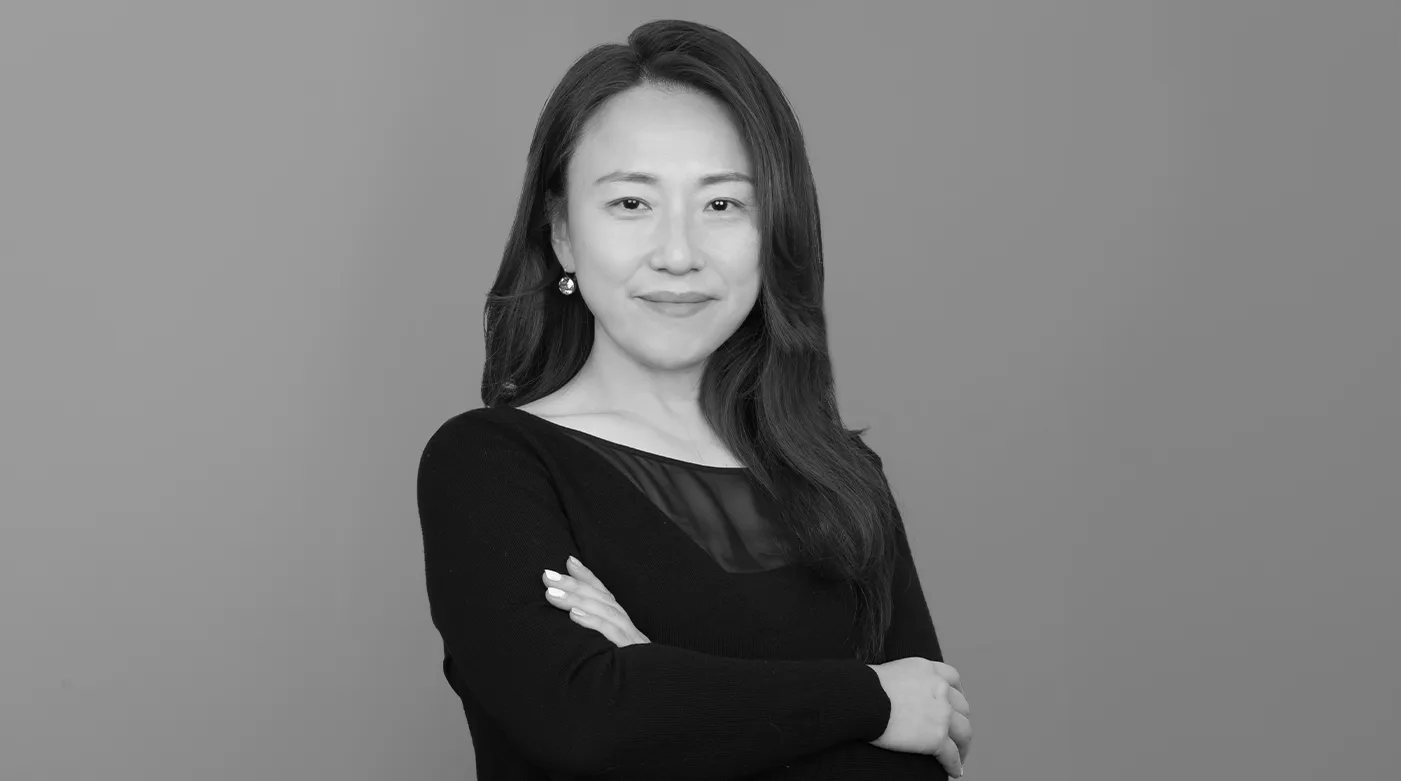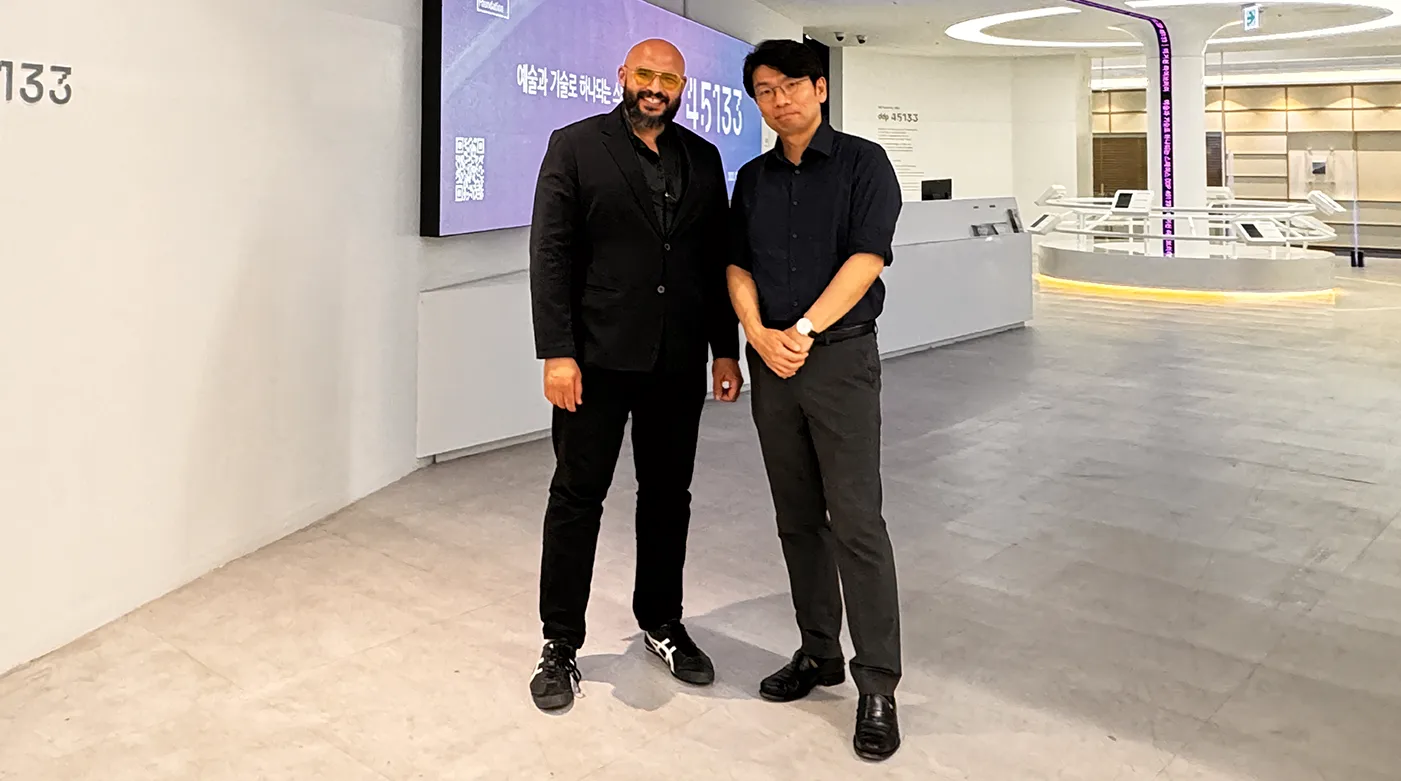

Next up in our Korean Design Focus series is Jintaek Park and Songyee Paek, the husband-and-wife team behind Seoul-based AURG Design, sharing their insights and vibrant design work.
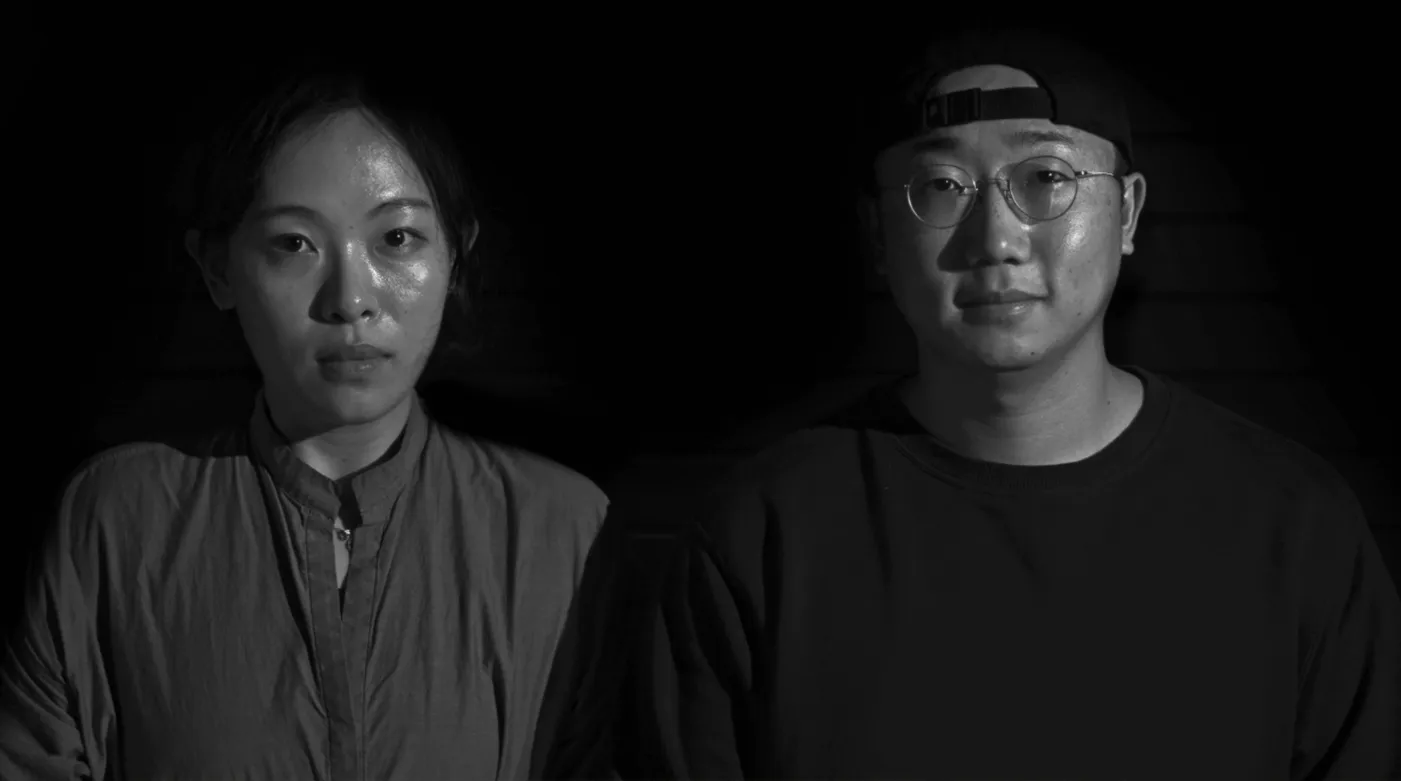

Next up in our Korean Design Focus series is Jintaek Park and Songyee Paek, the husband-and-wife team behind AURG Design, a Seoul-based studio established in 2017 that works with an impressive list of clients including LG Electronics, Coway, and more.
AURG, derived from the Korean word Auraji (아우라지 “an object that gathers more than two branches of water together”), focuses on brand-centered projects with a design philosophy emphasizing simplicity, meaning, and consistency while prioritizing “openness, honesty, transparency, and respect.”
Over the course of our interview Park and Paek discuss their design process and how they adapt their strategies for diverse clients ranging from electronics giants to healthcare companies.
They also talked about the ascension of Korean graphic design globally and shared insights on encouraging clients to embrace innovative design concepts and reflect on their studio’s progress since its launch.


The traditional beauty of Korea, which is highly regarded in modern times, originates from the minimalism, elegance, and design philosophy of harmony with nature seen during the Joseon Dynasty.
The design of the Joseon period tended to eliminate unnecessary ornamentation and focus on the essence, which continues to have a profound influence on Korean design today. However, Korea underwent rapid changes following the Japanese colonial period and the Korean War, leading to significant shifts in design trends.
“The design of the Joseon period tended to eliminate unnecessary ornamentation and focus on the essence, which continues to have a profound influence on Korean design today.”
During the Japanese colonial period and post-war era, Korea found itself in a unique situation where traditional culture and foreign influences were mixed. This complex cultural environment was reflected in Korean design as well.
Throughout the rapid economic growth and industrialization, Korean design evolved by combining modern Western elements with traditional Korean aspects. This process led to a natural fusion of various cultural elements, resulting in Korean design’s diverse and flexible characteristics.
This blending and fusion process has contributed to the originality and global recognition of Korean design. Additionally, Korea’s competitive and results-oriented culture has had a significant impact on its design. Korean design emphasizes practicality and functionality while maintaining a unique aesthetic sense, making it stand out on the international stage.
Therefore, contemporary Korean design can be seen as a product of the complex combination of tradition and modernity, East and West, and rapid social changes.
This complexity and fusion are what give Korean design its unique charm and are one of the reasons it is recognized worldwide. Korean design reinterprets tradition while simultaneously creating designs that reflect modern demands, establishing itself as a distinct and valuable characteristic in the global design environment.
1. Winning International Design Awards
Many Korean design companies actively participate in international design awards and have produced numerous winners. This plays a significant role in promoting the excellence of Korean design globally and is a key factor in elevating the reputation of Korean design on the international stage. These award achievements enhance the credibility of Korean design and provide more opportunities for Korean designers.
2. Position as an IT Powerhouse
Korea is an IT powerhouse, leading the world in areas such as high-speed internet infrastructure, smartphone penetration, and software development capabilities.
This environment has rapidly increased the demand for digital design and digital content, resulting in many designers becoming highly active. As the importance of digital media grows, Korean designers are standing out in this field, contributing to increased international recognition.
3. Competitive Social Structure
Korea is a highly competitive society where both individuals and companies constantly strive to differentiate themselves. This competition leads to a high level of interest in branding and marketing, which naturally fosters high-quality design work.
There is a strong interest in branding within Korea, with an abundance of related books and resources, and these efforts have become a foundation for international recognition.
4. The Rise of Hallyu and Improvement of Korea’s Image
Compared to the past, the global image of Korea has significantly improved with the recent spread of Hallyu (the Korean Wave). Korean cultural content such as K-pop, K-dramas, and K-movies have gained popularity, reducing the unfamiliarity with Korea and increasing positive interest.
As a result, perceptions of Korean design have improved, and the aesthetic sense of Korea has gained international attention.


The good design we envision embodies rich meaning within simplicity.
Most of the designers we’ve worked with spend more time creating something rather than thinking about it, focusing on expressing rather than understanding. This is not our preference. We believe in “Think more, Design less!”
We focus more on why we choose a particular expression rather than on the act of creating itself.
Therefore, in our design process, we place great importance on concepts rather than the act of designing, and we rigorously discuss why we should use a particular method of expression.
“We always strive to introduce something fresh to the market because we believe it is the duty of a designer. “
The phrase “designing similarly but differently” reflects our intention to offer something new without straying from the images that people expect within the same category.
We always strive to introduce something fresh to the market because we believe it is the duty of a designer. To fulfill this, we dedicate significant time to redefining the current business and market customers, which helps us to come up with the strong concepts mentioned above.
A good story or concept usually leads to good results.
We believe that as the scale of a business grows and more customers are targeted, choosing a visually bold design becomes increasingly challenging. We strongly empathize with this point.
For clients facing this challenge, we recommend adopting a more abstract and new understanding of the brand rather than focusing on visual boldness. I was greatly inspired by designer Kenya Hara when he designed the Lifeplus brand in Korea. He expressed finance by likening it to the dynamism of life. We believe this is an excellent example. A new perspective on finance that avoids the obvious, leading to positive results.
I don’t think we have a project yet that we can confidently say truly represents us. However, we are making progress every year.
With each completed project, we see both improvement and new challenges. Soon, we will be able to showcase a project that truly represents who we are.