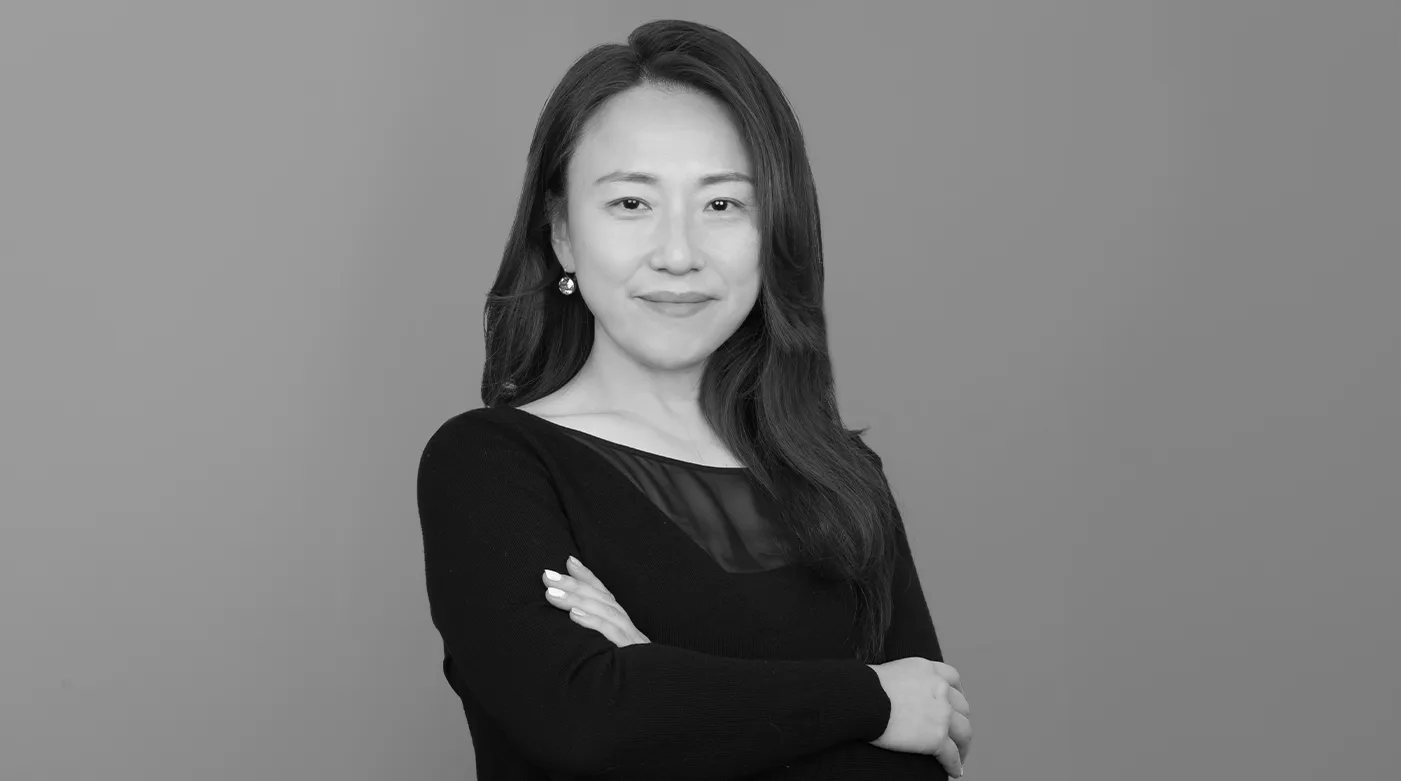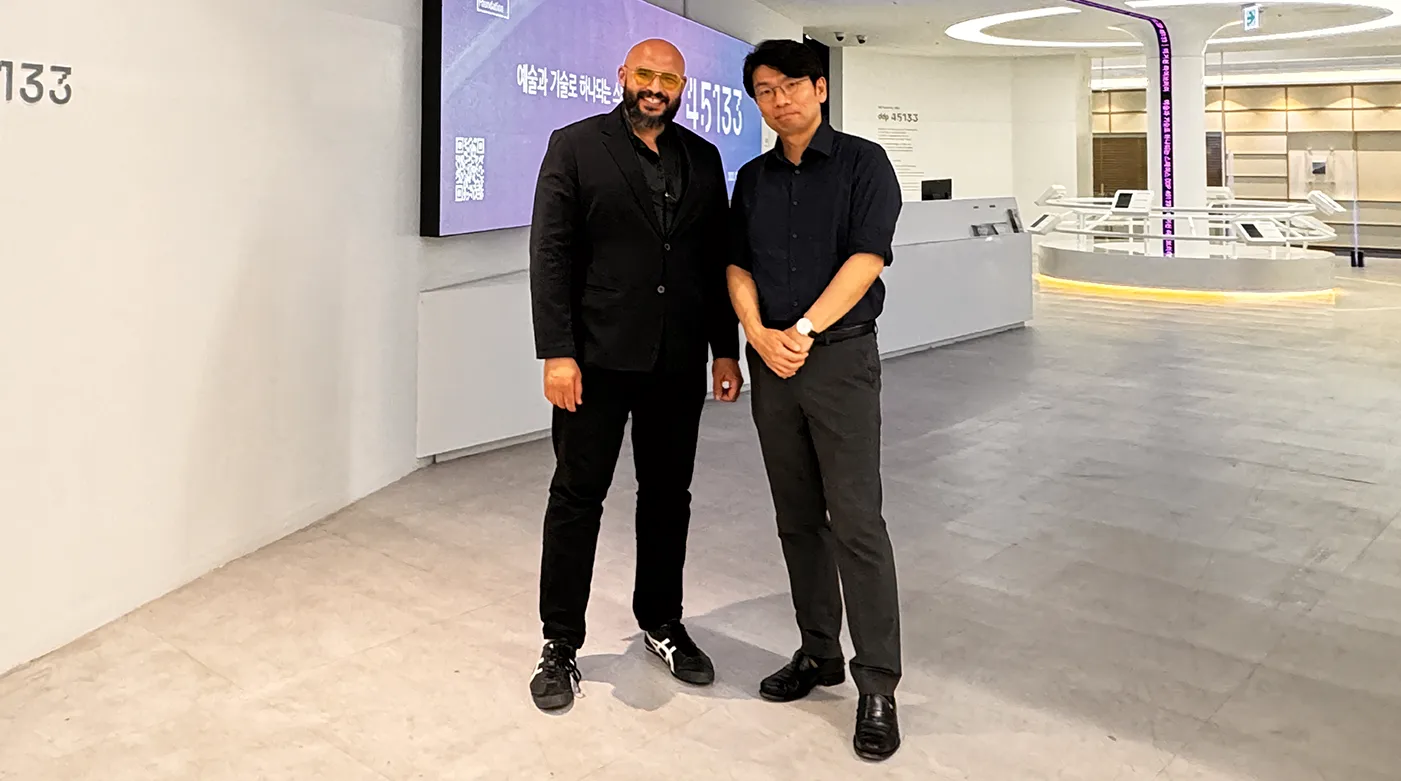

A graphic designer and professor at Kookmin University in Seoul, Jung blends philosophy and visual communication in his work exploring the complex interplay between language, identity, and intangible concepts.


Jung, who also received an MFA in graphic design from Yale, focuses on the intricate relationship between language and identity, exploring how verbal constructs reflect intangible concepts.
In 2009, Jung established the TEXT design studio, collaborating with various cultural institutions and participating in international exhibitions.
His portfolio includes projects for the Gwangju Biennale, Nam June Baik Art Center, and the National Museum of Modern and Contemporary Art, Korea. Jung’s work has been showcased globally, including exhibitions in Seoul, Milan, Paris, and Munich. In recognition of his contributions to graphic design, he was inducted into the prestigious Alliance Graphique Internationale in 2017.


The words we use are created to describe visible phenomena, especially adjectives and verbs. Even words with more abstract concepts, when examined closely, are formed by the complex combination of morphological expressions.
I enjoy starting the design process based on these morphological properties of the words that form the foundation of the message we want to convey. I translate the key concepts of the project into words, then decompose those words to derive visual motifs.
I don’t think studying philosophy has had a decisive impact on my design work. If it has influenced me at all, it might be in my attitude towards the subject of design.
Just as my interest in and observation of words have led to my design methodology, my approach of observing, deconstructing, and examining various contexts might stem from my experience majoring in philosophy.
“At Yale, I was encouraged to view design and its subjects from various perspectives, develop them with individual logic, and experiment with them. These experiences were unforgettable and have significantly influenced my design work.”
I believe I learned the value of experimentation at Yale. In the commercial field, efficiency was a crucial premise in my design experience. At Yale, I was encouraged to view design and its subjects from various perspectives, develop them with individual logic, and experiment with them.
These experiences were unforgettable and have significantly influenced my design work.
As someone living in Korea, “Hallyu” is not a term we commonly use. Of course, it is a convenient term for national promotion or global business. In reality, many achievements in cultural aspects have become visible, which I believe are part of the results of accumulated capabilities growing in various fields.
Some things may pass like trends, but many have genuinely improved in quality. The field of graphic design is no exception. Compared to when I first started design, the overall level now feels significantly elevated. Opportunity? For someone living in Korea, the meaning of “Hallyu” might be “confidence.”


Actually, I’ve been fortunate to meet many high-quality clients and have learned a lot from them. As a result, I haven’t had many bad experiences. Of course, there have been some disappointments, but I always try to maintain a collaborative attitude while working.
Although, in reality, I am a service provider, I believe that approaching design from the perspective of a creator, not just a recipient, leads to better work and often provides more opportunities to persuade clients.
Efforts to view things from various perspectives and learning from our mistakes will enrich us.
“Although, in reality, I am a service provider, I believe that approaching design from the perspective of a creator, not just a recipient, leads to better work and often provides more opportunities to persuade clients.”
There may be projects with better outcomes, but I think the projects I worked on with artist Haegue Yang are good examples to discuss from a collaboration perspective.
She didn’t just focus on meeting specific requirements but wanted to be involved in the entire design concept process. She was proactive in revealing herself and her work as the subject of design. She was close to the ideal model of a collaborator.