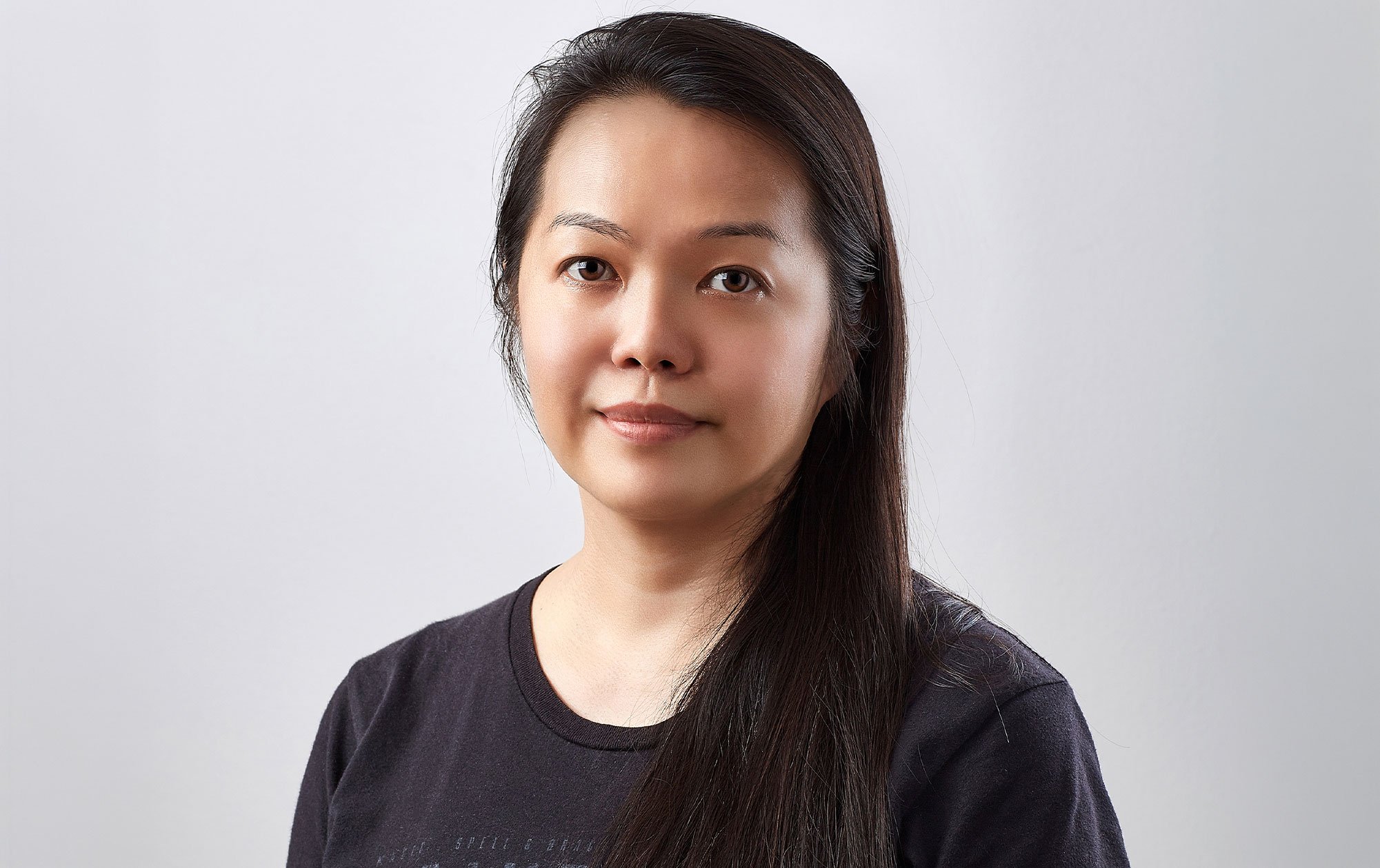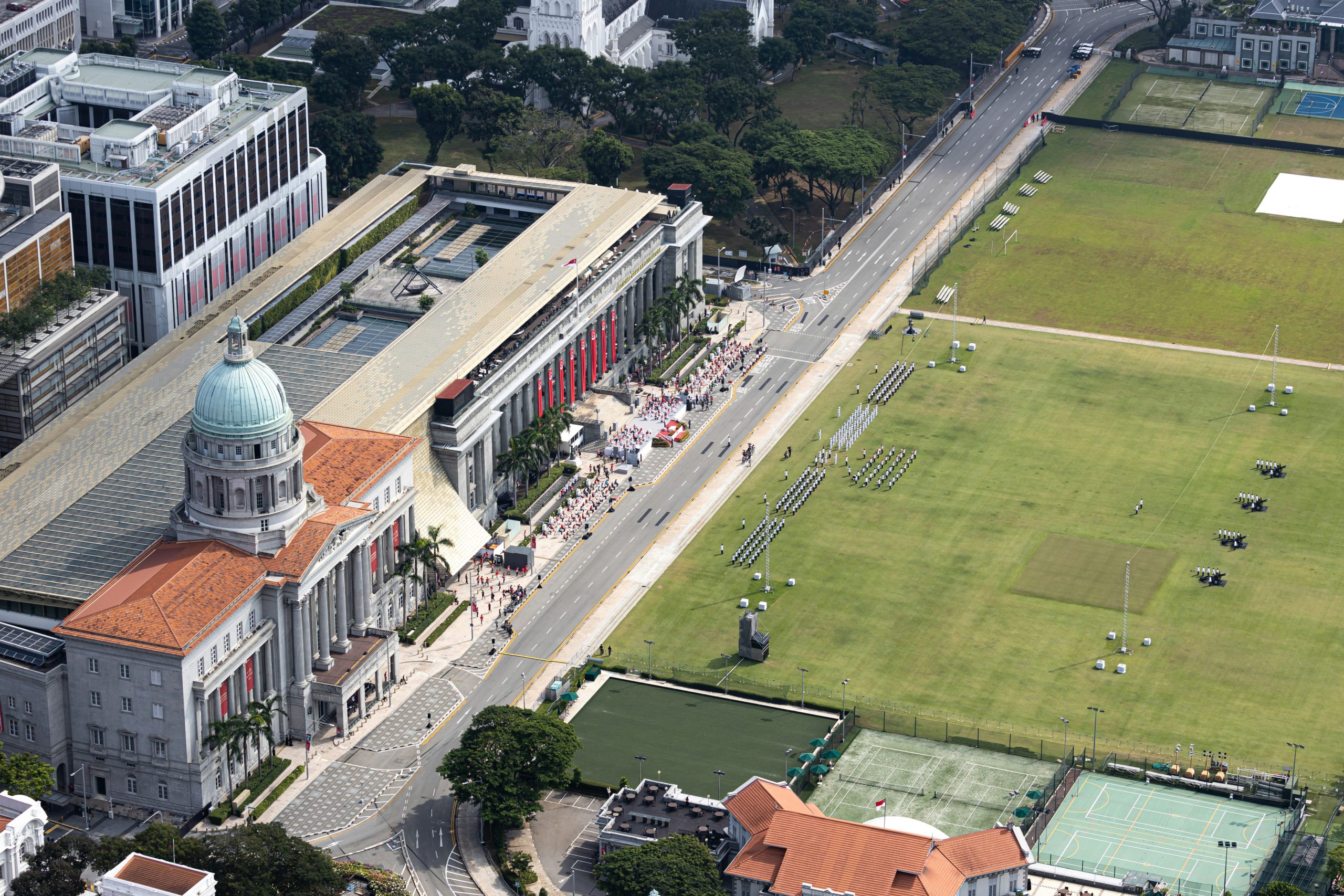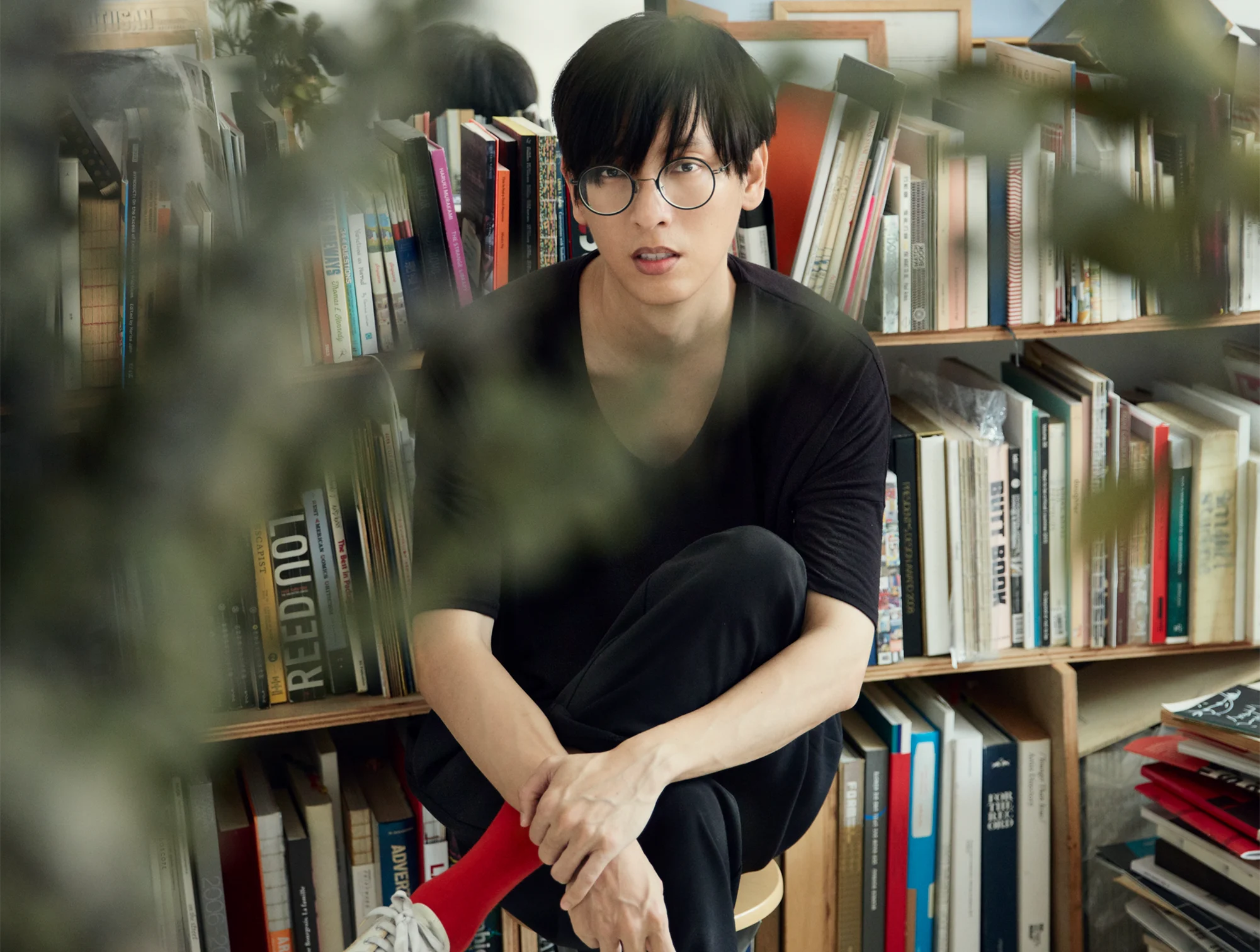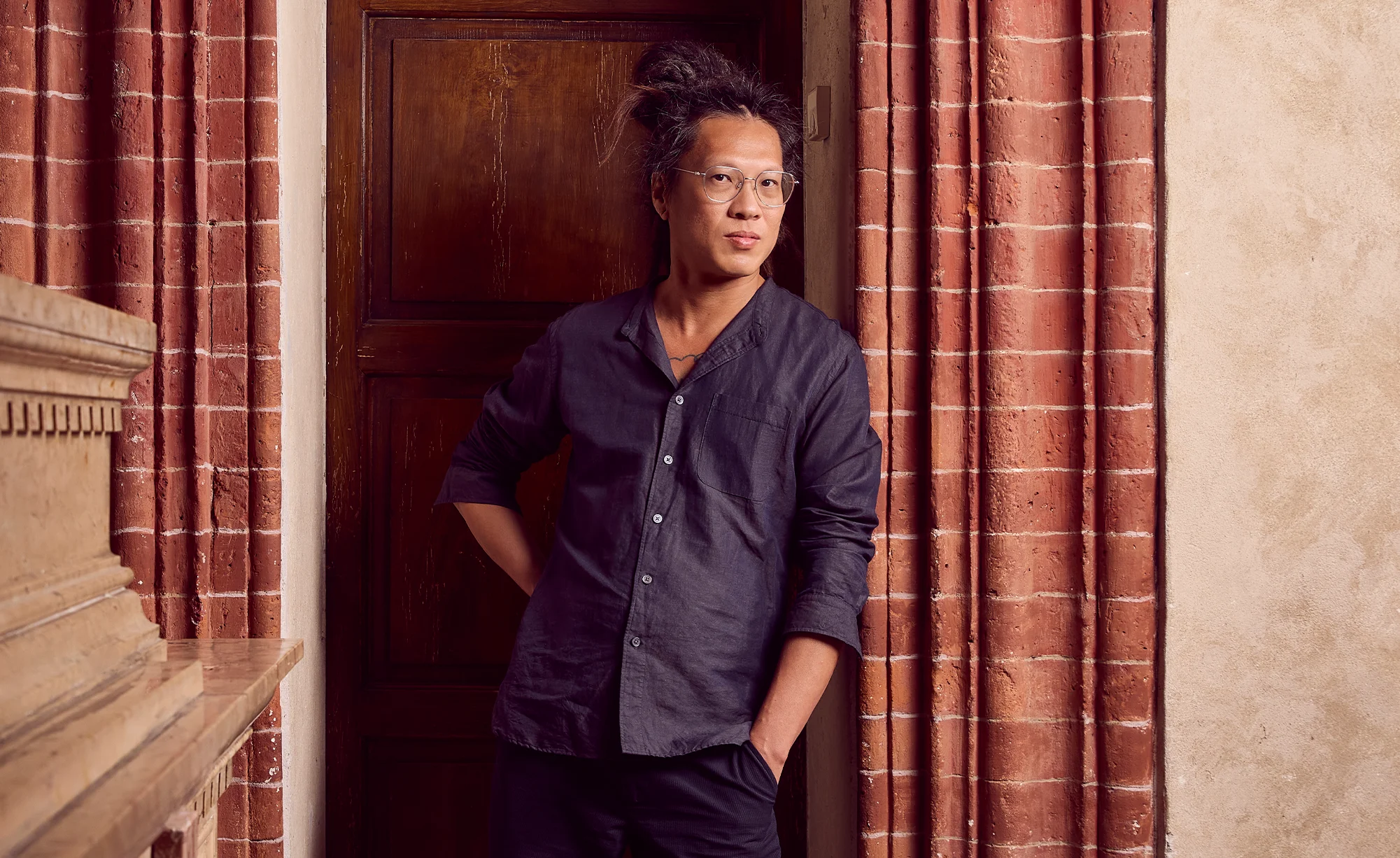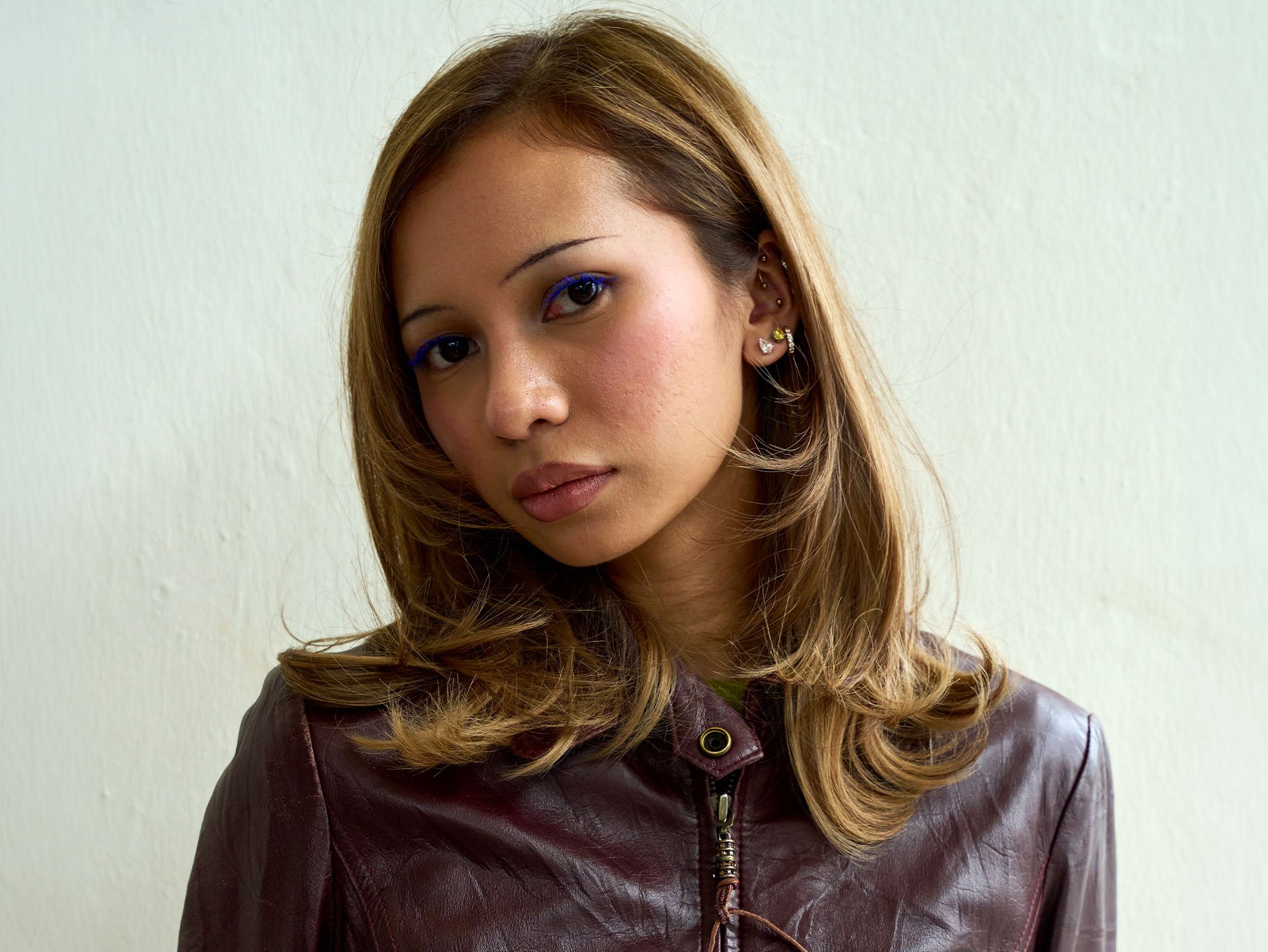


Next up in our Singapore Design in Focus series, we catch up with fashion designer Putri Adif, a 2025 graduate of the BA (Hons) Fashion Design and Textiles program at LASALLE College of the Arts’ School of Fashion.
When asked what sets Singapore fashion apart, she describes a scene that feels exciting and fresh. While its fashion history may be younger than others, she sees that as an opportunity rather than a limitation. She says, “We are still developing our own visual language, with room to experiment, reinterpret our heritage and create something distinctly ours.”
That idea runs through her own work. Her final-year collection, ‘EKA एक,’ came from her relationship with her Javanese heritage. In it, she reinterprets the kebaya and traditional heirloom jewelry through a contemporary lens, experimenting with 3D printing and computational design alongside traditional craftsmanship.
Over the course of our interview, she talks about why fashion is her medium for exploring culture and identity. She also covers how she keeps evolving without losing the core of her design language, what freelancing from a young age taught her about the industry, and her hope of one day learning from the people and fashion houses she has long looked up to.

What sets Singapore fashion design apart from the rest of the world?
I think what sets Singapore fashion apart is that it feels exciting and fresh. Singapore is a relatively young country and our identity has been shaped by the coming together of different racial and cultural communities. This creates a naturally diverse creative landscape.
Being relatively new on the global fashion stage makes Singapore exciting and I think the world is curious about what we have in store.
Compared to the West, our fashion history and creative scene may be younger, but I see that as an opportunity rather than a limitation. We are still developing our own visual language, with room to experiment, reinterpret our heritage and create something distinctly ours. Being relatively new on the global fashion stage makes Singapore exciting and I think the world is curious about what we have in store.
Your work often explores culture, identity, and heritage. What makes fashion an interesting way for you to explore those ideas?
To me, Fashion is just a medium, just like every artist who uses their choice of medium to express their voice. Apart from music, fashion is what consumes me, I live and breathe it. To translate culture, identity and heritage into something tangible. It isn’t about something I create but also a language I understand.

Your ‘EKA’ collection has attracted attention for its approach to contemporary fashion. Can you tell us more about the collection and what you wanted to explore through it?
EKA is a collection that came from my own relationship with my Javanese heritage. I wanted to explore what it means to inherit a culture, especially as part of the Javanese diaspora, and how we can remain connected to that heritage as our lives and identities evolve.
For me, EKA एक is ultimately about memory and identity.
I was particularly interested in the Kebaya and traditional heirloom jewellery, and the emotional significance they carry across generations. I wanted to reinterpret these elements through a contemporary lens without losing their cultural identity. I experimented with 3D printing and computational design alongside traditional craftsmanship, using technology not to replace tradition, but as another way of preserving and carrying it forward. For me, EKA एक is ultimately about memory and identity.

As a designer, how do you keep evolving without losing what makes your work distinctly yours?
I think it’s quite natural for those two things to happen together. I understand my design language quite well and staying true to this core part as a designer is all you need. I think it is only natural to evolve and expand that design language. And usually that consistency will always be prevalent in my work, but this doesn’t always translate visually. Sometimes it comes through in the details, the construction, the techniques or even the creative direction.
For me, evolution is about expanding that language without losing the core of what makes it mine.
What’s something about breaking into fashion design in Singapore that you wish someone had told you when you started?
In all honesty, I think I’ve been told and heard everything under the sun about starting a career in fashion design. Living in a pragmatic country like Singapore, where stability and status are often prioritised, I’ve always known that pursuing fashion here wouldn’t necessarily be easy. But I don’t think that really felt real until I graduated from fashion school.
There’s nothing I wish someone had told me when I started because I needed to go through it to learn.
I started freelancing quite young, and that experience taught me a lot about navigating the fashion industry on my own. Through that, I have found my community that has made it into perspective that we are all going through the same struggle, but also the amount of resilience constantly around me really helps. So no, there’s nothing I wish someone had told me when I started because I needed to go through it to learn.

Looking ahead, what possibilities in fashion design are you most excited to explore?
I’m excited to explore the limits of where fashion could take me. There are so many spaces that I’ve only ever seen through a screen and I dream of one day being in those rooms, learning from the people and fashion houses I’ve looked up to for so long. I’d love to be mentored by people who have spent their lives in this industry and to experience how they see and approach fashion.
But beyond any specific goal, I’m excited to see where Putri Adif can go. I’m a dreamer, and I want to give myself the freedom to dream as big as I can. As long as I still have this love for fashion, I want to keep chasing it and see where it takes me.
Could you share some designs or collections from your own work that stand out as especially meaningful or impactful to you, and what made them so?
The collection that feels most meaningful to me is EKA, which was also my final-year collection. It was a very personal project because it came from my relationship with my Javanese heritage and my experience of being part of the diaspora.
I explored the Kebaya and traditional heirloom jewellery, looking at how these objects can carry memories, identity and a sense of belonging across generations. I combined traditional craftsmanship with 3D printing and computational design, not to replace tradition, but to explore how it could be carried forward in a contemporary way.

What made EKA एक especially impactful to me was seeing how something so personal could resonate with other people. It opened conversations around heritage, identity and what it means to reinterpret tradition today. It also showed me that my cultural background could be a source of creative strength and not something I had to separate from my work as a contemporary designer.
Quick Hits
Something symbolic of Singaporean design that someone visiting Singapore should see that isn’t widely known:
South Bridge Road in Chinatown. It’s kind of a prevalent visual representation of what Singaporean culture is like. The historic Masjid Jamae (Chulia) and the Sri Mariamman Temple are on the same block.
A Singaporean designer or artist you’d love to collaborate with or have been inspired by:
Shawna Wu. I love her distinctive approach to fashion and her storytelling. Would love to collaborate with her.
A fashion trend in Singapore you’d like to see return:
To wear the Kebaya more, as casual wear. I’d love to see that more.