
A conversation with the Co-Founders of the Network of Creative Thinkers on finding clarity in chaos, embracing nature’s influence, and designing with purpose.
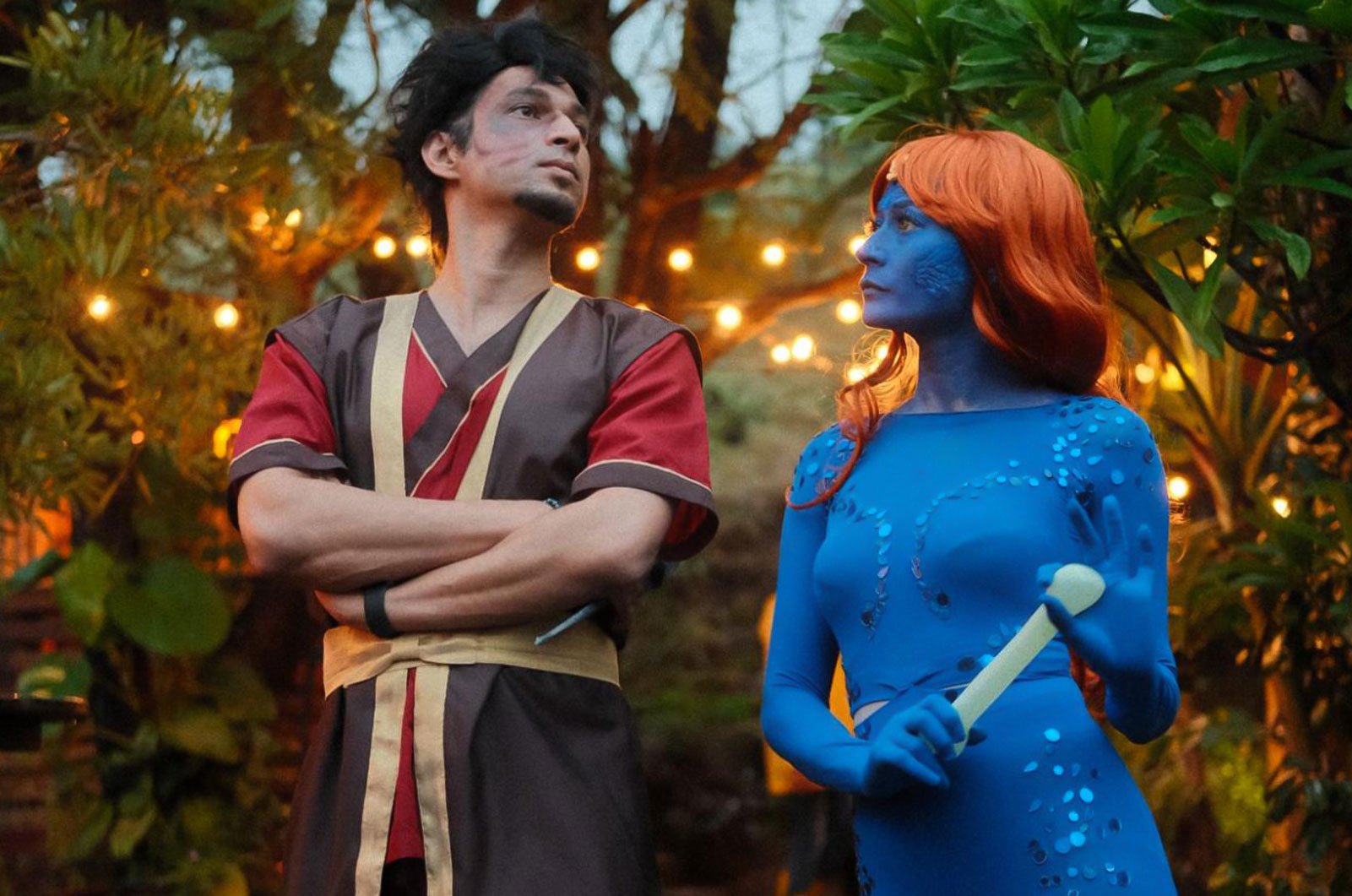

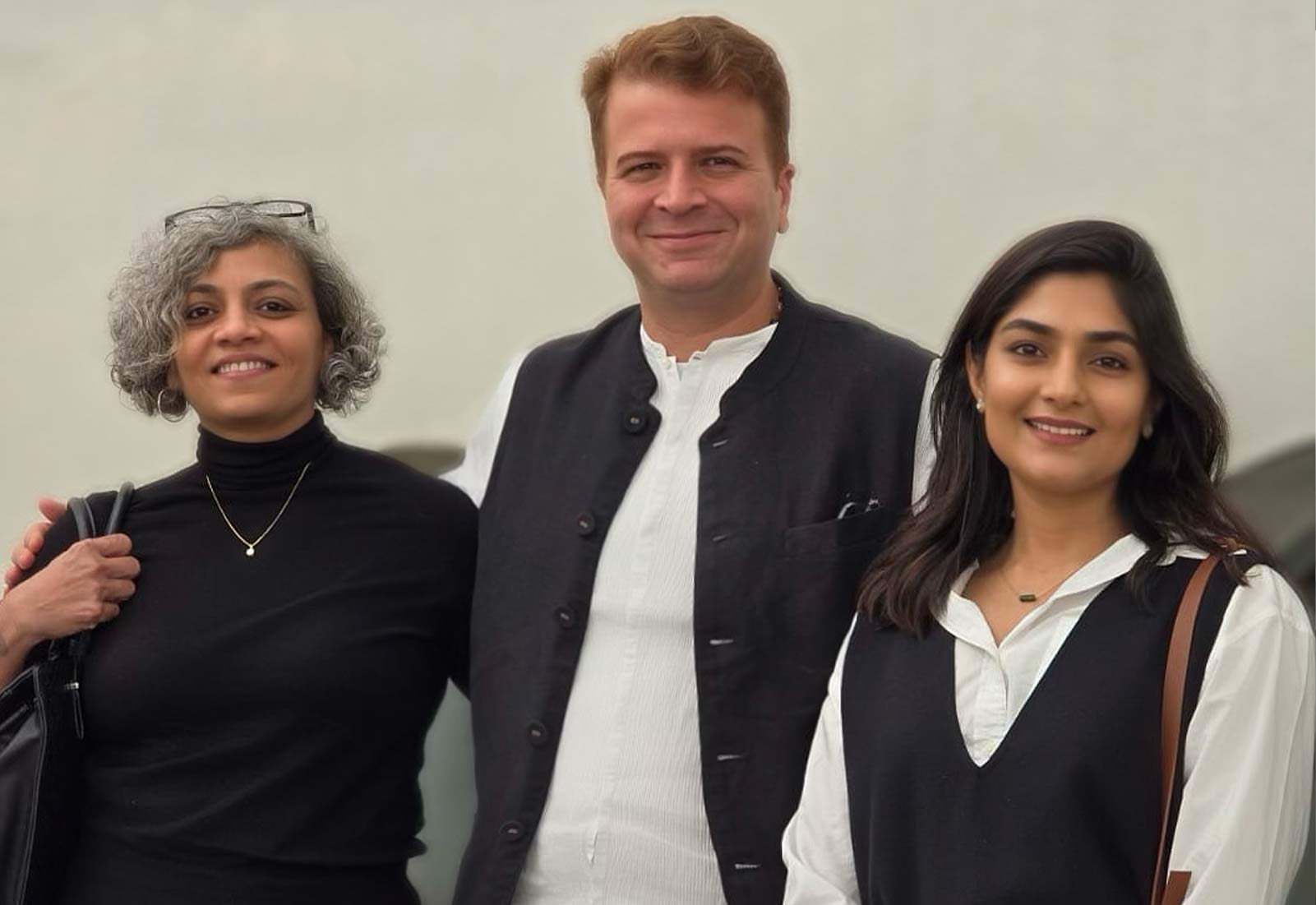
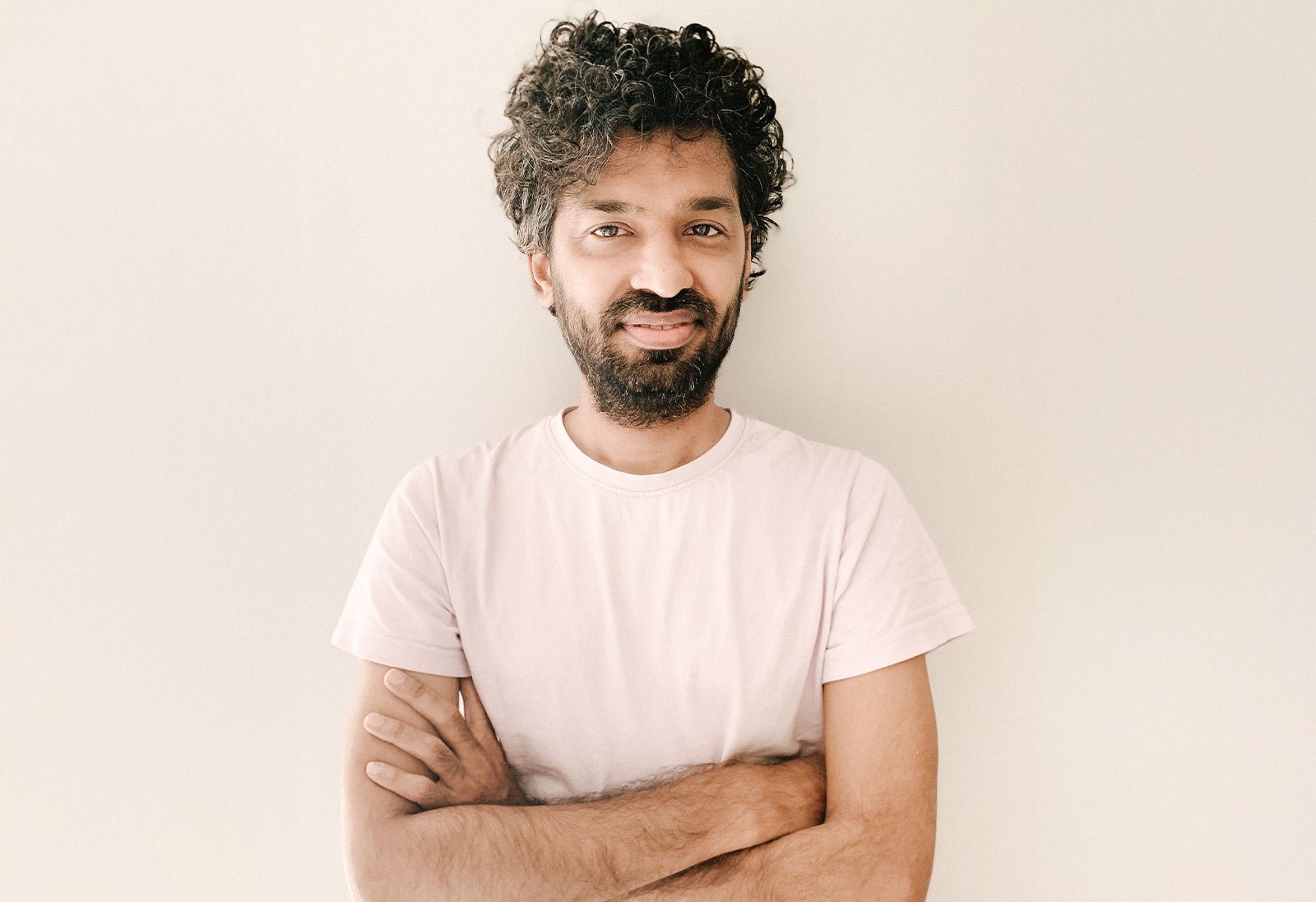
Amid the hills of Panchgani, where the quiet hum of nature replaces the rush of city streets, Neha Shrestha and Rudransh Mathur built what they once dreamed of — a place to create from anywhere, with anyone. That vision became Network of Creative Thinkers (NOCT), a design agency born in Mumbai and reimagined as a virtual studio.
NOCT isn’t confined by geography or convention. It’s a collective of designers, artists, and thinkers connected through shared purpose rather than shared walls. Guided by India’s layered visual culture and inspired by the natural world that surrounds them, they approach design as more than aesthetic — it’s a process of reflection, sustainability, and impact.
From rethinking waste in packaging to designing platforms that promote environmental awareness, NOCT’s work carries the calm intelligence of its surroundings — grounded, human, and endlessly curious.
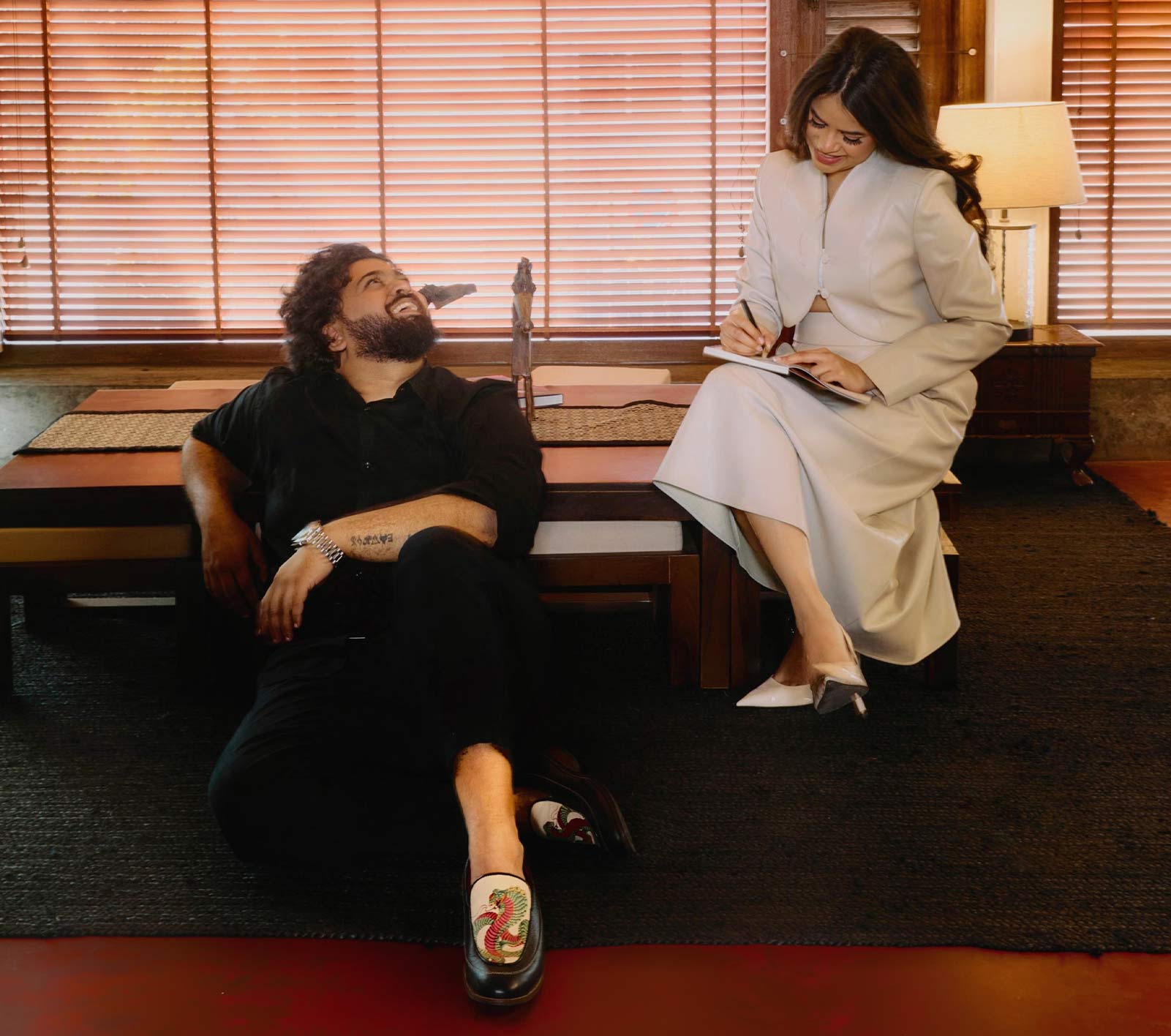
As part of our Indian Design in Focus series, we recently spoke with Neha and Rudransh about what makes Indian design unique, the willingness of clients to take bold creative chances, and how being ‘summoned by the call of the wild’ shapes their design — and more.


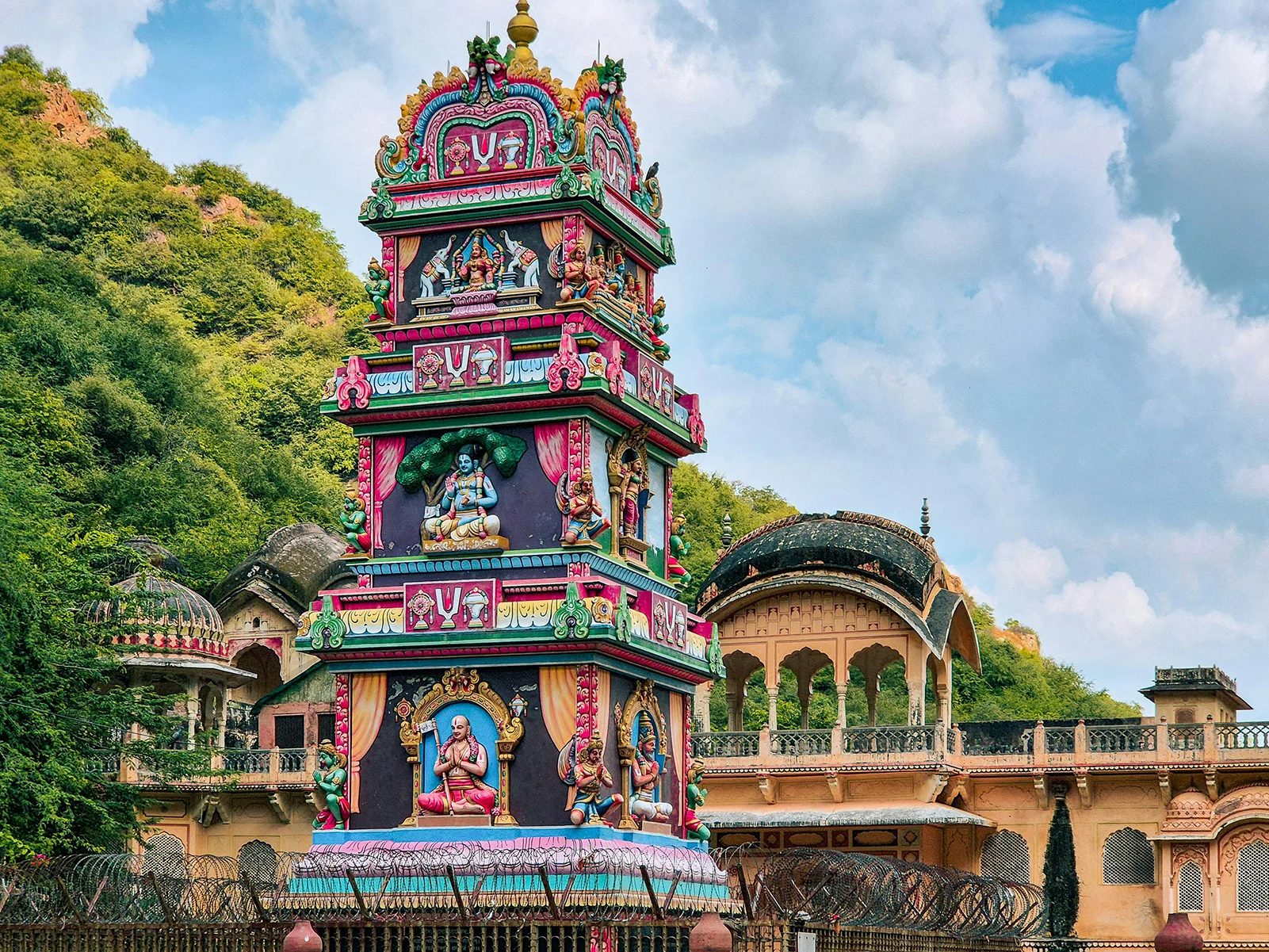
Two things- maximalism and ‘jugaad’. We are experts in creating clarity amidst chaos. Our visual culture is layered, textured, and full of storytelling, much like the life in India. From the graphical pop-artsy look of street typography and truck art, to the detailed finesse of temple sculpture and traditional paintings, there’s an innate sense of rhythm and ornamentation that feels spontaneous yet deeply rooted in India.
There’s an innate sense of rhythm and ornamentation that feels spontaneous yet deeply rooted in India.
Compositions together in an innovative, ‘jugaadu’ manner, where it all co-exists and somehow fits together, despite a lack of standardisation, in a way that’s structured; not practically, but emotionally, and with a sense of warmth that’s distinctly human.
When we started NOCT, we were based in the heart of Mumbai, constantly on the move, phones buzzing, client meetings back to back. We loved that early startup energy, but we soon realised we weren’t really city people. Creative thinking and problem solving demand space, both mental and physical, and the noise, traffic, and endless queues of the city began to drain us.
We’d always felt recharged when surrounded by nature, so after a year, we decided to move our studio to the hills of Panchgani. It felt like the perfect middle ground, off-grid yet connected. Most of our clients were global, and our designers already worked remotely, so all we needed was good Wi-Fi and an airport within a few hours.
Being in nature has also made us more conscious as designers, more sensitive to the world we’re creating for. It’s shaped the kind of projects we take on and the way we approach them.
Today, we’re a team of about 40 designers, with over half living and working from the hills. It’s grown into a small creative community, people who live close to nature and draw inspiration from it every day. That lifestyle directly impacts our work. We start our days with a clear mind, often go hiking or cycling through the forests, and come back to our desks with a fresh perspective.
Being in nature has also made us more conscious as designers, more sensitive to the world we’re creating for. It’s shaped the kind of projects we take on and the way we approach them. We’re drawn to solving real problems, especially those connected to the environment and sustainability. In many ways, the hills remind us that design isn’t just about aesthetics, it’s about impact, balance, and purpose.
Boldness often depends on the industry and business ethos- a brand cannot be bold if it’s leaders are not confident to be bold in their approach. Boldness can be used to break into an industry, to shake things up from the before and to create a big impression, but it must be genuine and not a gimmick, only then can it be lasting.
Our approach is to help clients see boldness not as aesthetic rebellion, but as alignment — between their story, values, and audience. We involve clients deeply in our process, showing them not just the “what,” but the “why” behind every choice.
Our approach is to help clients see boldness not as aesthetic rebellion, but as alignment — between their story, values, and audience.
Innovation at the core should not be mistaken with boldness; sometimes what’s innovative is subtle and silent, design enables that to be the case, where there is no set way, just a perspective based on the brand/client’s positioning.
It’s a combination of both. A good brief defines the intent, or constraints that are fixed, clear and constant so that the rest can be intentionally flexible – that’s where the creative freedom lies.
When the brief is completely free of constraints, we create them (or more often discover them) in order to build a balance with creativity. Being grounded adds the weightage to build a base to fly.
My favourite quote ever, is from Douglas Adams (Hitchhiker’s Guide to the Galaxy) – “There’s nothing better than a few constraints to comfortably kick against.”
In essence, the magic happens in the space where both constants and flexibility coexist, so you know the ‘why’ and then figure out the ‘how’, to create great design; a balance of logic and poetry.


We see many upcoming brands and businesses in the field of sustainability today, and that’s the growth we see at present, but real change begins with humans accepting and universally agreeing that circularity simply makes sense, on a basic level, even if the world was not designed that way.
True change will come about when the government buys into that thought and prioritises it, on every level, in every industry, but this would be a gigantic disruption to the way things currently are.
For a designer today, the easiest way is to work with a brand in the field of sustainability, but that is yet a niche and growing slowly, and constitutes a very small percentage of the design requirements. For the most part, we work with what exists in other industries and what we need to do, is reshape and infuse the way we think with circularity, to bring it in, in small ways to every step of the process.
Living close to nature is also a constant reminder for us that design isn’t just about creating new things, but about creating better things — thoughtfully and responsibly.
Since the world was not designed circularly, we are in a transitional phase, to reshape it without a major disruption, though some disruption is certainly inevitable. This needs to be looked at as WIP, so we can apply the ‘jugaad’ way of doing things innovatively, one small change at a time which may not be perfect in the moment, but is a step in the right direction.
We try to do this in our own way, with the way we work – whether it is to suggest for clients alternative materials for packaging, reducing physical waste, sustainable brand programs wherever possible, or even practices at our own workplace like waste segregation, clothing swap events to promote reusing and offering a discount on our services as a benefit to clients that are working in this field. Living close to nature is also a constant reminder for us that design isn’t just about creating new things, but about creating better things — thoughtfully and responsibly.
Be curious, not just creative. Learn to listen — to people, to silence, to your own discomfort. Skills are important, but overall work ethic and soft skills trump those! A talented and skilled designer who is unable to deliver to a deadline or is unable to communicate is a tragedy.
Talent and value in the industry are a balanced combination of things that go beyond the craft, so focus on building those. Last but not least, remember to hold onto the magic – the world needs designers who believe that imagination can make things better, so live in the world of magical realism for the right balance!
ALT EFF is an environmental film festival that we have been working on since its inception in 2020. Rudransh and I are both founders there as well, and NOCT has handled the design, creative direction, and digital presence for it. With ALT EFF we’ve built something with soul and watched it grow in ways we could not have imagined.
You can explore this and more on www.noct.in/work – each of our projects carries a little piece of Panchgani’s spirit — grounded, imaginative, and endlessly curious.
Jugaad.
Ishaan Khosla – we recently met him at the IBDA awards, where we went to accept the award for India’s Best Digital Design Studio, and he is doing fabulous work with vernacular and ethnic inspired typography, which is an area we’d love to explore.
The marketplace; it’s the hub of any town, to find the pulse of a place, to understand it better. But on a personal level, nature truly inspires us, in India or anywhere.


To learn more, visit www.noct.in
All images via NOCT