
A conversation with the Partners at Ogatu Creative Studio about the universality of design, the courage to create differently, and how India’s layered traditions continue to shape contemporary expression.


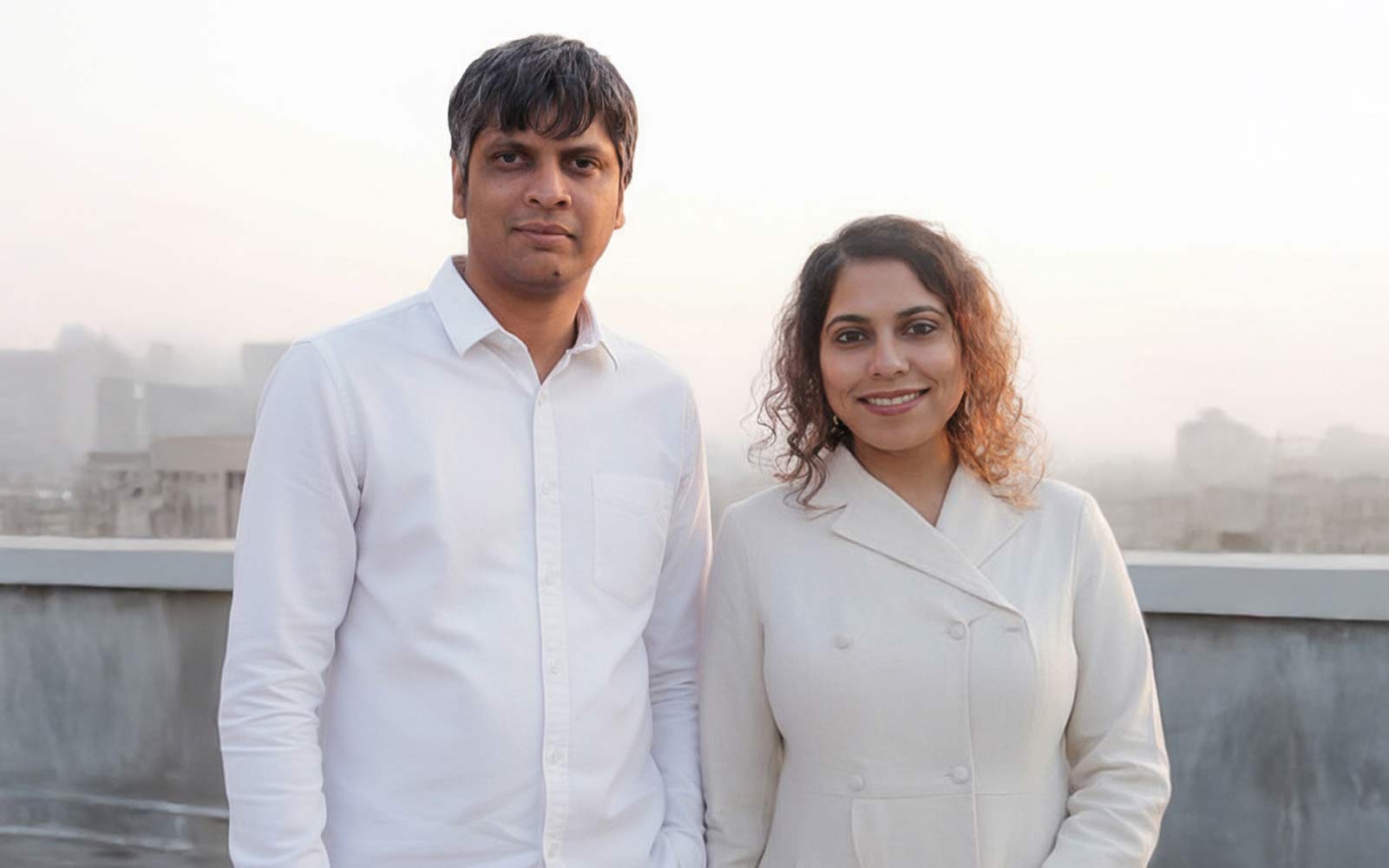
As part of our Indian Design in Focus series, we next speak with Mathang Thyagaraj and Arjun Guleria, Co-Founders and Partners at Ogatu Creative Studio, a New Delhi-based practice known for crafting identities, campaigns, and digital experiences. They saw their work honored this year with a “Best Design Studio 2025” award at India’s Best Design Awards.
Founded on the belief that “good brands don’t whisper—they make noise,” Ogatu’s work centers on distinctiveness and emotional resonance, helping clients turn bold ideas into design that connects and stands out in a market often defined by sameness.
We spoke with Mathang and Arjun about their studio, what sets Indian design apart, the growing emphasis on sustainability, and how “showing up different” has become their Ogatu’s guiding light.
When asked what makes Indian design unique, they told us, “Design itself is universal – but in India, the narratives and materiality are often shaped by centuries of tradition, layered with a willingness to experiment.”


Indian design is not a singular aesthetic, but a sensibility. It carries with it an ability to adapt, absorb, and reimagine. Our heritage, craft clusters, and cultural depth create a foundation that constantly merges with modernity, technology, and futurism.
Design itself is universal – but in India, the narratives and materiality are often shaped by centuries of tradition, layered with a willingness to experiment.
For instance, new-age brands like Gully Labs, Karthik Research, and Akkupara embody contemporary global design sensibilities, yet their essence comes from deeply Indian cultural and craft traditions. This ability to balance universality with specificity is what sets Indian design apart.
We believe that in today’s hyper-saturated landscape, difference is the only real currency. Everyone can execute – the distinction lies in how problems are approached and solved. For us, it begins with resisting safe templates and constantly asking, “Why not?”
Showing up differently is not an act of rebellion for us – it is an act of intent.
This question becomes the pivot for originality. By pushing against imitation, we craft design systems built on ambition, not convention. For example, when creating Be Wellness, we resisted the predictable “nutra brand look” and instead built a system that felt fresh, intimate, and science-driven. Showing up differently is not an act of rebellion for us – it is an act of intent.
Yes, but selectively. Categories like luxury, fashion, F&B, and new-generation brands are more open today. The real barrier is not taste, but the courage to execute.
Bold ideas can feel risky – so we de-risk them by grounding the creative in strategy, research, and executional clarity.
We see our role as being a “partner in courage.” Bold ideas can feel risky – so we de-risk them by grounding the creative in strategy, research, and executional clarity. For example, when working with Huemn x Lays, we combined ritualistic design elements with an FMCG collaboration that could have felt out of place. By balancing bold aesthetics with a clear cultural strategy, the work felt daring yet inevitable.
Both are essential. A strong brief anchors intent, while freedom ensures originality. The best work happens when clarity on “what” meets openness on “how.”
Over-defined briefs risk mediocrity; unlimited freedom risks chaos. We seek the middle ground – a space where ambition is guided by structure. That balance is where originality thrives.


Yes, though it is unevenly applied. Earlier, sustainability was often tokenistic. Now, we see a shift toward system-level thinking: reuse, repurpose, material innovation, and modularity.
Our work with NO MORE is an example. The brand was ahead of its time, built on sustainable growth and practice. From using repurposed cement bags for packaging to embedding an “upcycled score” with every product, sustainability was not a tagline but a core operating principle.
Sustainability in India is at this threshold – and we believe it will soon shift from being niche to being an expectation.
We often apply what we call the “three-year rule”: it takes at least three years for new ideas that require market education to be understood and adopted. Sustainability in India is at this threshold – and we believe it will soon shift from being niche to being an expectation.
The system is still theory-heavy and does not expose students enough to real-world collaboration, client realities, or business literacy. As a result, many young designers grow in individualistic ways – the most successful often self-educate through internships, experimentation, and global exposure.
Design education should normalize failure, foster critical thinking, and embrace multi-disciplinary collaboration.
The opportunity is clear: design education should normalize failure, foster critical thinking, and embrace multi-disciplinary collaboration. Designers need to be as comfortable with strategy and commerce as they are with craft. Preparing them for this reality will strengthen India’s contribution to global design.
India’s craft clusters, where heritage and contemporary design intersect – from Jaipur blue pottery and Kutch textiles to block printing, stone carving, and the stepwells of Gujarat and Rajasthan.
Jitish Kallat, for his conceptual rigor, and Rimzim Dadu, for her ability to translate traditional craft into futuristic textures.
The streets. Architecture, shrines, hand-painted posters, markets, conversations, festivals, and languages – they carry more originality than most moodboards.


To learn more, visit weareogatu.com
All images provided by Ogatu