The Design Director of SEA at Landor reflects on Singapore’s evolving design scene, the balance between a clear brief and creative freedom, and how empathy and versatility feature in her approach to branding.


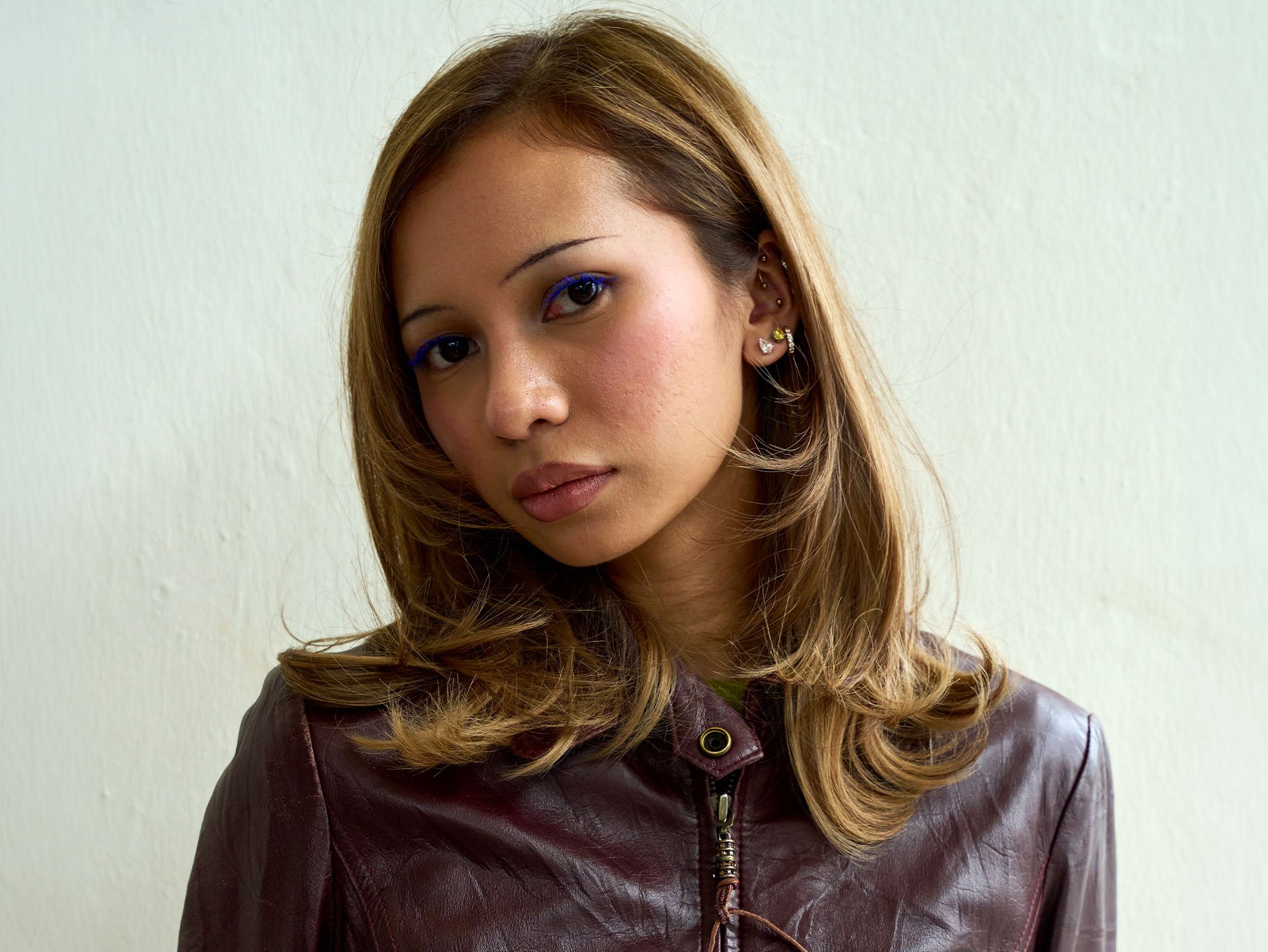
Up next in our Singapore Design in Focus series we speak with Kimberley Batchelor, Design Director of SEA at Landor.
Batchelor views her role in leadership as that of a conductor rather than a soloist. A great brand identity, she says, requires a choreography of strategy, storytelling, motion, typography, and digital experience, and recognizing individual strengths within a team and giving designers the autonomy to lean into them yields richer work. With more than 20 years in branding, she adds, ego naturally steps back and empathy takes over.
On creative briefs, she prefers one that is laser-sharp on the problem statement and objectives yet entirely open to the creative solution. A clear brief defines the problem, the audience, and the constraints, she says, and without constraints, design drifts into fine art. Complete rigidity, however, limits original thinking.
In our conversation, she reflects on Singapore’s design scene and why playing it safe can be the riskier choice for brands, and offers her advice for young designers entering the industry.
Kimberley also shares examples of her personal design work over the years, along with brand work from Landor.


The design scene in Singapore sits in a unique intersection of hyper-functionality, cultural influences and quiet pragmatism. As we live in a dense, multicultural society, our designs are rarely just based on pure aesthetics, they often have to solve multi-layered problems in the most efficient ways.
What makes design different, in my opinion, is the ability to translate across diverse cultural codes (East meets West, Tradition vs Modernity) into seamless brand languages. We are used to designing with a high-degree of precision and purpose, grounded in system-level thinking, while infusing the richness of our Singaporean-ness.
In our early years, post-independence, we designed purely in functional ways, with nation-building in mind. We were focused on things like public housing, creating infrastructure, and establishing basic visual identities for local institutions and brands. It was all about being clear, having some order and was often utilitarian in nature.
As we live in a dense, multicultural society, our designs are rarely just based on pure aesthetics, they often have to solve multi-layered problems in the most efficient ways.
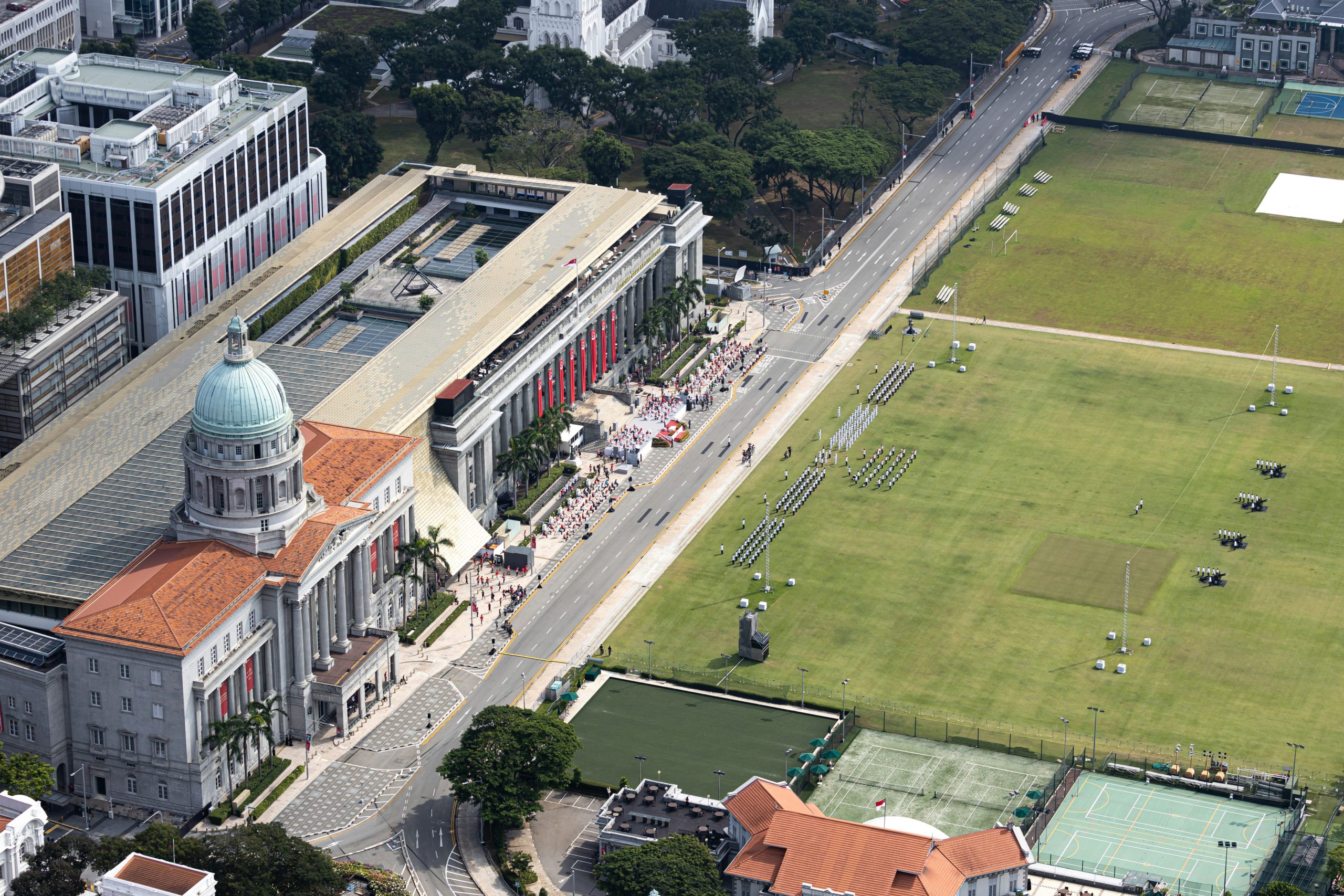
But in the past 20- 30 years, we have transitioned into a global financial hub and the role of design has evolved from merely decorating to being integral to drive commercial change for businesses from all sectors. We are also celebrating and supporting design and art in Singapore with more initiatives, festivals, events and global creative agencies opening offices here.
Yes, significantly. In the past, clients looked to Western benchmarks to validate decisions and always chose safer options. But today, Singapore brands are competing on a global scale and clients understand that safe design is likely to be the riskier choice, because it gets lost in a sea of sameness.
We often encourage boldness and distinctiveness and frame it not as a gamble, but as a strategic choice to fulfil broader business ambitions. At Landor, we strip away the subjective fear of being bold, by grounding the creative solutions in deep audience insights and data, cultural contexts and business objectives.
Singapore brands are competing on a global scale and clients understand that safe design is likely to be the riskier choice, because it gets lost in a sea of sameness.
When clients see that taking a leap with a bolder, more sophisticated design system can help to solve complex strategic problems and provide an edge against competitors, it gives them confidence in a bolder approach moving forward.
With more than 20 years in the branding industry, your ego naturally steps back, and empathy takes over. Early in my career, I might have tried to imprint a personal signature style on projects. Mature brand design, however, demands versatility when you are building custom living systems for wildly different ecosystems, whether it’s a fintech start-up, a luxury retail brand, or a government ministry.
In leadership, I view my role as a conductor rather than a soloist. A great brand identity requires a choreography of strategy, storytelling, motion, typography, and digital experience. Recognizing individual superpowers within a team across the world and giving designers the autonomy to lean into those strengths always yields far richer work than forcing everyone into the same mold.


The sweet spot always exists in the tension between the two. A clear brief provides necessary parameters, it defines the problem, the audience, and the constraints. Without constraints, design drifts into fine art.
However, complete rigidity limits true breakthrough and original thinking. I prefer a brief that is laser-sharp on the problem statement and objectives, but entirely open to the creative solution. That gives us the freedom to interrogate the premise, reframe the question, and discover unexpected creative territories while staying anchored to commercial reality.
Without constraints, design drifts into fine art.
More and more, we are empowered with access to advanced AI tools and while it is a powerful and efficient partner, it is not a replacement for human taste or strategic insight. At Landor, we leverage AI in early exploratory phases of work for rapid visual ideation, moodboarding, mock-ups and synthesizing research data. What took days in the past, now takes us mere hours.
Branding however, is inherently about human resonance, cultural nuance, context and emotional connections with your audience, areas that AI lacks genuine lived experience. It can generate endless variations but it still however needs a person to curate the right tone and direction to give it soul. Crafting a coherent and original brand narrative remains deeply human work.
I don’t think a lot of tourists will visit older HDB estates like Tampines or Toa Payoh, but some of the thought and planning of the 1980’s are great examples of functional and egalitarian social design.
One of my favourite things to see is the old playgrounds in these estates, some of which have become pretty iconic in the design landscape like the dragon or watermelon playground.
A Singaporean designer and graffiti artist who has been an inspiration for all of my design career is Adam Wang aka @the.demster. Starting out as a designer, he’s now a full blown visual artist in all ways.
He has been absolutely fearless in his pursuit of art and design in the Singapore scene for more than 20 years and creates mind blowing beautiful work on brands and walls everywhere. Truly an inspiration.
I absolutely love walking through the Bras Basah area for inspiration. There are loads of bookstores, art stores, old churches and museums.
Also, the National Library is a great place to browse, think and be inspired.


To learn more, visit www.landor.com
All images provided by Kimberley Batchelor and Landor
All images displayed are protected by copyright law. Unauthorized reproduction, distribution, or use of these images without prior consent or licences is strictly prohibited. Some of these images have been generated, altered, or assisted by artificial intelligence (AI) technology.