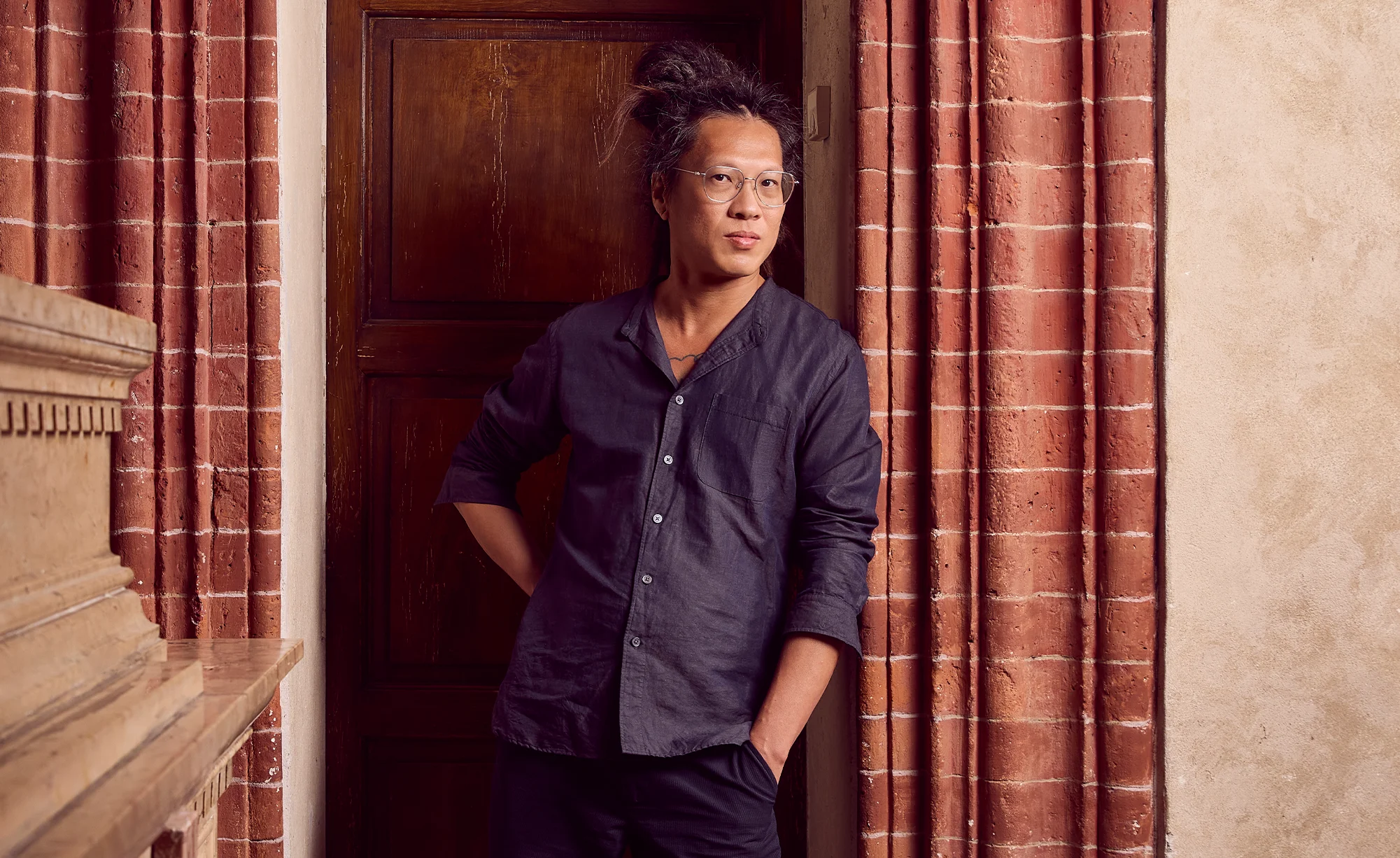
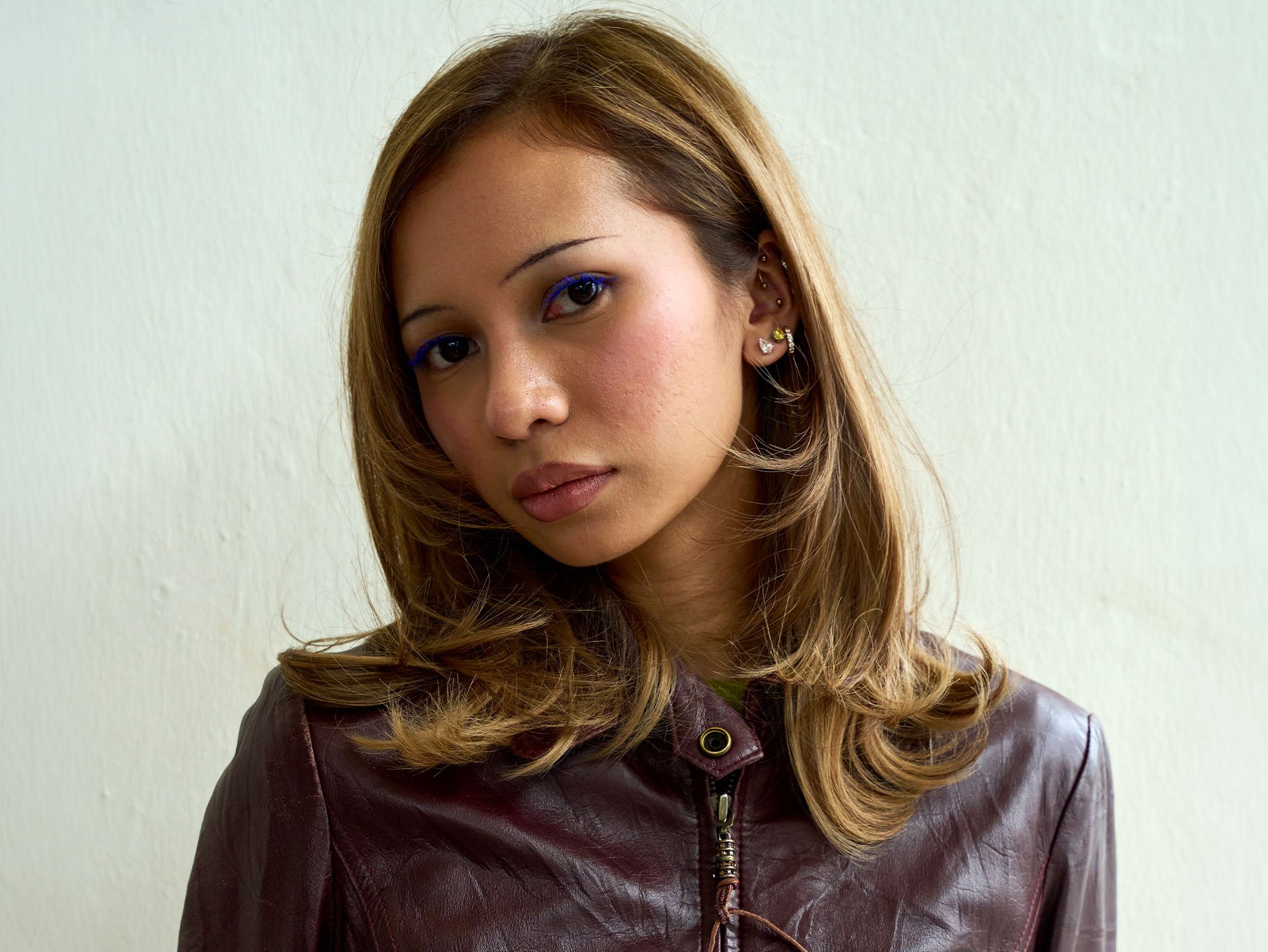
The Co-Founder and Creative Director of Manic on the elusiveness of a national design vernacular, how design’s role in Singapore has evolved, what makes a good brief, and how using AI feels almost like an existential threat while also summoning a sense of nostalgia.


Up next in our Singapore Design in Focus series, we speak with Karen Huang, Co-Founder and Creative Director of Singapore-based creative and design agency Manic.
Over the course of our interview, Huang reflects on national design identity, both in Singapore and beyond, how the role of design has evolved alongside Singapore, and what she wishes someone had told her about breaking into design when she first started out.
Huang also talks about working with local clients, who, in her experience, are much like clients anywhere else, and about what makes a good brief.
On AI, Huang says she is excited about it, even though she hasn’t yet seen it produce good design out of the box. Using it also stirs a kind of nostalgia in her. “Making props, building sets, we were the original magic makers. Now we can prompt ideas into existence. It feels illegal.”
Huang also shares some projects that have been meaningful to her, including ‘This is Water,’ which she describes as her most personal work and which was inspired by a commencement speech by David Foster Wallace.


Singapore, as a country, a people and a culture, has a very distinctive identity. You really cannot take Singapore out of a Singaporean.
But the same cannot be said for Singaporean design. And I’d argue that the same is true of most countries. Apart from Japan, there aren’t many other countries with a recognisable design vernacular these days. Perhaps the question should be, which country has a recognisable design style in the age of AI.
Fifty Years of Singapore Design, by Justin Zhuang, Dawn Lim and Sheere Ng, covers 1965 to 2015, decade by decade. It answers this question better than I can. It wasn’t sold commercially, but you might find it in libraries.
Design 2035, the government’s latest design masterplan, aims for “a liveable, loveable, and limitless nation by design.” I guess design’s role has climbed Maslow’s hierarchy. From nation-building to being loved.
Next stop, self-actualisation!
In my experience, clients in Singapore are no different from clients elsewhere. Maybe just a touch more conservative. But let’s not assume they’re a monolithic bunch.
I aim for good design. Sometimes it’s bold and unconventional. I try to persuade them towards what I consider to be good.
Besides, “bold and unconventional” isn’t something I strive for by default. I aim for good design. Sometimes it’s bold and unconventional. I try to persuade them towards what I consider to be good. Oftentimes, this means resolving the idea further. If they can visualise our intent, the idea sells itself.
Sometimes.
We named it before pathology entered the mainstream. We named it after the Manic Street Preachers. We named it so long ago, I forgot how it came about.
What I do remember, though, is that Ren, our dog, picked it out from a bunch of options written on scraps of paper. If it reflects the way we approach design, it’s a case of nominative determinism.
The brief should define the problem, not the solution. Sometimes, a client has a very clear idea about what they want, but prefers not to share it. Those are the most problematic projects. Because you’re halfway through when you realise that you cannot work with their direction.
Sometimes, a client has a very clear idea about what they want, but prefers not to share it. Those are the most problematic projects.
“Creative freedom” or “carte blanche” given at the start of the project only to be chipped away with every meeting, leads to abortive work. Just give me the truth and as much information as you can, upfront. I don’t need balance.


I tell people that with AI doing my work now, I have more time for laundry. Some of them actually believe me. Seriously, though, I am excited about AI. As of now, I haven’t seen good design out of the box from AI, but these are early days and things will only get better from here.
It gives me a very strange feeling, almost like an existential threat, but also a kind of nostalgia.
I use it for things that used to take hours and a lot of manpower. It gives me a very strange feeling, almost like an existential threat, but also a kind of nostalgia. Making props, building sets, we were the original magic makers. Now we can prompt ideas into existence. It feels illegal.
That you’d always feel like an outsider amongst non-designers. That you’d see things differently. You’re affected by things that other people don’t notice. It’s a particular type of loneliness.
This is Water is by far the most personal work for me. It was inspired by a commencement speech by David Foster Wallace that made a huge impact when it was released. That project was done in the most challenging year of my life, and it designed itself.
World Chess Championship was my first solo project and I am very pleased with how it turned out. It would probably also be the last project I did without any help from AI.
The book design project, 99, was the smoothest project I’ve ever experienced in my career. It was incredible how easily everything fell into place, especially when you consider the absurdity of the format.
Manic’s Merrymaking Must-haves, Soldiers for Peace and an old New Yorker-style campaign for The Cathay sit at the intersection of copy, design and craft. That’s where I most want to be.
Definitely HDB flats. That’s the real Singapore. We’re known for them, but I don’t think enough visitors make the detour or appreciate how spectacular they are.
Ng Sze Kiat of Bewilder; anyone working with fungi has my attention. Humorists like Annette Lee or Smiling Afro. And anyone else who questions conventions.
Yoga or Ya Kun


To learn more, visit wearemanic.com.
All images provided by Manic.