A single day is not enough to recognize the contributions that women make in our lives. That’s why we’re dedicating the month of March to our IWD Voices series, spotlighting voices from across the industry. Leaders share their experiences, perspectives, and the lessons that have shaped them.
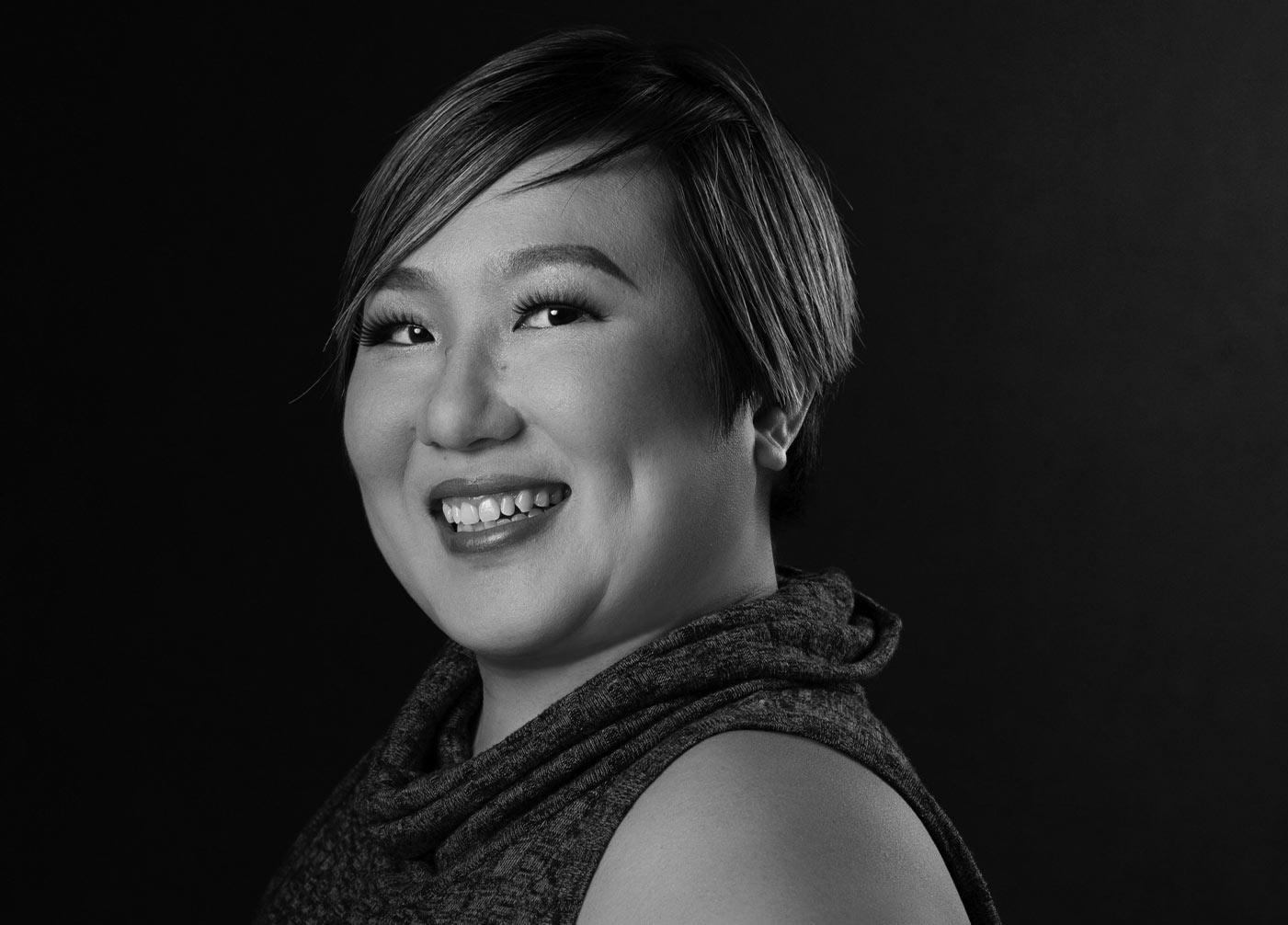
Next up in our series, we speak with Yanyan Froud, SVP, Client Experience & Leadership, APAC at Assembly.
Yanyan reflects on what this year’s IWD theme means to her, sharing how her understanding of fairness has evolved from equal treatment to ensuring talent has a real path to growth, and what she believes has genuinely improved — and where more action is still needed — in conversations around women and work.

She also discusses the responsibility senior leaders hold in shaping equitable workplaces beyond statements and policies, and the change she hopes the next generation of women will no longer have to navigate.
The theme for International Women’s Day 2026 is “Rights. Justice. Action. For ALL Women and Girls.” What does this mean to you professionally and personally?
For me, this theme is not about chasing “perfect fairness” – it does not exist. If we wait for the world to be completely fair, we will never move forward. What matters more to me is having a fair system – a system where women are taken seriously, where abilities are seen, and opportunities are not limited by gender.
I am grateful that I have worked in fair environments that allowed me to explore and grow. It gave me space, but I never relied only on that. I have always believed that I am responsible for finding my own way and delivering results.

To me, “Rights” are the foundation. “Justice” is the direction, and “Action” is what changes outcomes. Without action, nothing really shifts.
For me, this theme is not about chasing “perfect fairness” – it does not exist. If we wait for the world to be completely fair, we will never move forward.
It also reminds me that I now have a platform for action. I have benefited from a fair system, and now I have a responsibility to build and protect that space for other women as well.
What first drew you to your industry, and was there a defining moment that set your career in motion? Was there a role model who influenced you early on?
I entered this industry because I love data. Data is proof. It gives clarity. It shows value in a way that is hard to argue with. Early in my career, that discipline attracted me, the idea that performance can be measured, optimised, and improved.
But the longer I have been in this industry, the more I have learned to appreciate something very different: taste. Advertising and media are not only about numbers. They are about understanding culture, emotion, timing, and human behaviour. Data gives you direction, but art gives you impact. Learning that balance has shaped me deeply, and it will benefit me for life.
What influenced me most were leaders who were intellectually sharp, commercially disciplined, and calm under pressure.
The defining shift in my career was moving from executor to integrator. I realised that real value lies not in running campaigns well, but in connecting markets, teams, insights, and commercial goals into a clear, cohesive strategy. That change from executing tasks to designing systems set my leadership path in motion.
What influenced me most were leaders who were intellectually sharp, commercially disciplined, and calm under pressure. They did not rely on noise or charisma. They relied on clarity and accountability. That shaped the kind of leader I aim to be.
How has your understanding of fairness changed as you’ve gained experience and seniority?
When I was younger, I thought fairness meant that everyone needed to be treated the same. Same rules, same expectations. If you put in the work, then you’ll get the results.
As I gained more experience, I realised it’s not that simple. I started to see how much visibility, sponsorship, and timing mattered. Two people can work equally hard, but if one gets more exposure to leadership or is given a bigger opportunity, the outcome can be very different. That made me understand that fairness is not just about effort. It’s also about access.
At the same time, I’ve become more practical about it. The world is not perfectly fair, and it never will be. What we can do is remove obvious biases, make decisions more transparent, and ensure that strong talent is not blocked for the wrong reasons.
Two people can work equally hard, but if one gets more exposure to leadership or is given a bigger opportunity, the outcome can be very different. That made me understand that fairness is not just about effort. It’s also about access.
Now, as a senior leader, ensuring fairness is a core part of my responsibility. It’s about being conscious of who gets the big projects, who gets defended when things go wrong, and who gets recommended for the next step. Small decisions compound over time.
So my view has shifted. Fairness is more about ensuring talent has a real path to growth and holding them accountable for delivering when given the chance.
As conversations around women and work have evolved, what do you think has genuinely improved—and where do you think more attention and action are still needed?
One area that has improved is openness. Topics like maternity leave, career breaks, and flexibility are no longer avoided. That is progress. It is healthier for everyone when these realities are acknowledged rather than treated as exceptions.
However, maternity leave still has a real impact on progression. Even in supportive environments, time away from fast-moving commercial roles can slow visibility and momentum. The challenge is not just about policy; it is about how organisations manage the continuity of opportunity. We need better structures to ensure that taking leave does not quietly reset someone’s trajectory.
The goal is not to compete in the same style, but to expand the range of styles that are valued.
Culturally, leadership environments are also evolving. Some industries still retain elements of what people might call “lad culture,” but I do not see this as a problem. Every leadership culture has its dynamics. The key is not to eliminate personality, but to broaden the definition of strong leadership.
Women often bring a different kind of influence. Influence does not always need to be loud. It can be strategic, relational, and precise. In many cases, that becomes an advantage. The goal is not to compete in the same style, but to expand the range of styles that are valued.
We need to focus less on symbolic progress and more on structural continuity, especially around career breaks, sponsorship during transitions, and ensuring that performance, not presence, drives advancement.
Is there a project or initiative you’ve worked on related to women’s empowerment that you’re particularly proud of? What made it meaningful to you?
I wouldn’t describe it as a formal “women’s initiative,” because I don’t believe in shifting standards based on gender. I believe in performance, potential, and ownership.
What I am proud of is the way I have built teams and distributed opportunities. Many of the women in our organisation who now lead commercial conversations or present to global leadership did so because I pushed them into those rooms. Not because they were women, but because they were smart and capable individuals who just needed someone to back them at the right moment.
Gender is not a reason to give an advantage, but I am very conscious of access. If I notice someone strong who is not being seen, I will create visibility for them. Over time, that led several women to step into senior roles, lead negotiations, own revenue, and build confidence through real responsibility.
What responsibility do senior leaders have in shaping more equitable workplaces, beyond statements or policies?
First, be consistent. Standards should apply equally to everyone. If expectations shift depending on who the person is, trust breaks down quickly.
Culture is shaped less by policies and more by what leaders tolerate and reward every day.
Second, create real opportunities, not just encouragement. Give people ownership of revenue, strategy, and high-risk projects. Growth comes from responsibility.
Third, model behaviour. The way senior leaders run meetings, handle conflict, and give feedback sets the tone. Culture is shaped less by policies and more by what leaders tolerate and reward every day.
What is one change you would like to see in workplaces for the next generation of women?
I hope that for the next generation of women, ambition and warmth are no longer seen as opposing traits. Women should not feel forced to choose between being respected and being liked, or between authority and approachability. Truly mature organisations recognise and reward multidimensional leadership, rather than expecting everyone to fit into a single template.
Quick Hits:
A trend you are excited about, or not excited about
A trend I’m excited about: AI is a tool that levels the playing field. It can give more people access to data, insight, and analytical capability, not just those in traditionally powerful positions.
A trend I’m less excited about: Performative diversity efforts without real accountability. Visibility without measurable change does not move anything forward.
A creative campaign or representation of women that inspired you or made you feel seen
I really liked the e.l.f. Beauty campaign “So Many Dicks” in New York. The campaign boldly and unapologetically highlighted the gender imbalance in corporate leadership. It was sharp, direct, and impossible to ignore, yet grounded in real data.
What resonated with me was the confidence. It didn’t position women as asking for sympathy. It challenged the status quo with clarity and wit. That combination of courage and intelligence felt powerful.
A piece of advice that stayed with you longer than expected
“Slow down to scale.” I’m still learning this. By nature, I move fast, and I have a lot of energy. For a long time, I equated speed with capability; if I could move quicker than everyone else, I felt in control.
Over time, I’ve realised that what works for me personally does not always scale for a team or an organisation. Leadership is not about how fast I can go. It’s about building systems that work even when I’m not in the room.