With International Women’s Day just past — and recognizing that a single day is never enough to celebrate the contributions of women — we are dedicating the entire month of March to spotlighting voices from across the industry as part of our IWD Voices series. Leaders will share their journeys, experiences, insights, and the lessons that have shaped them.
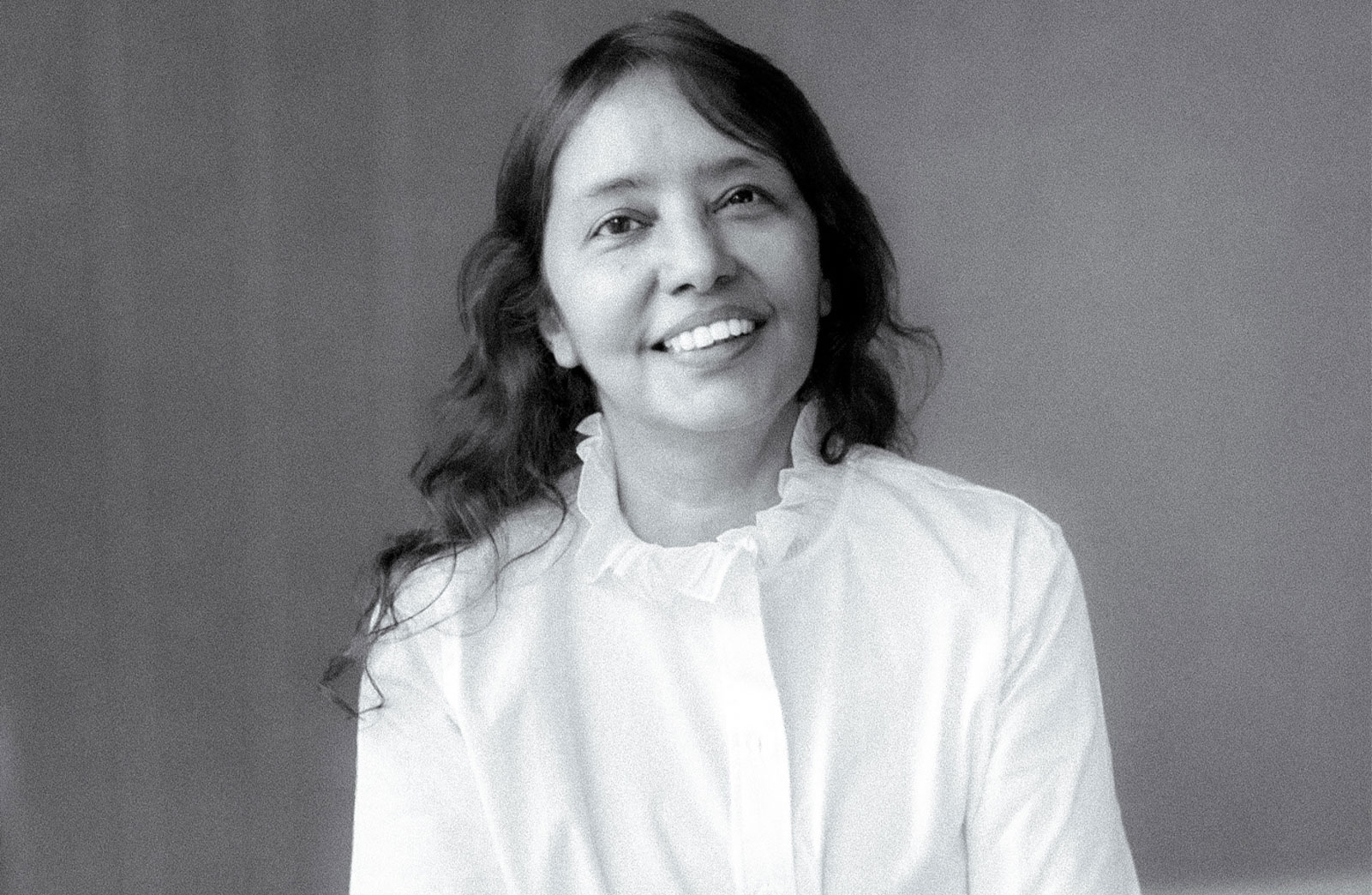
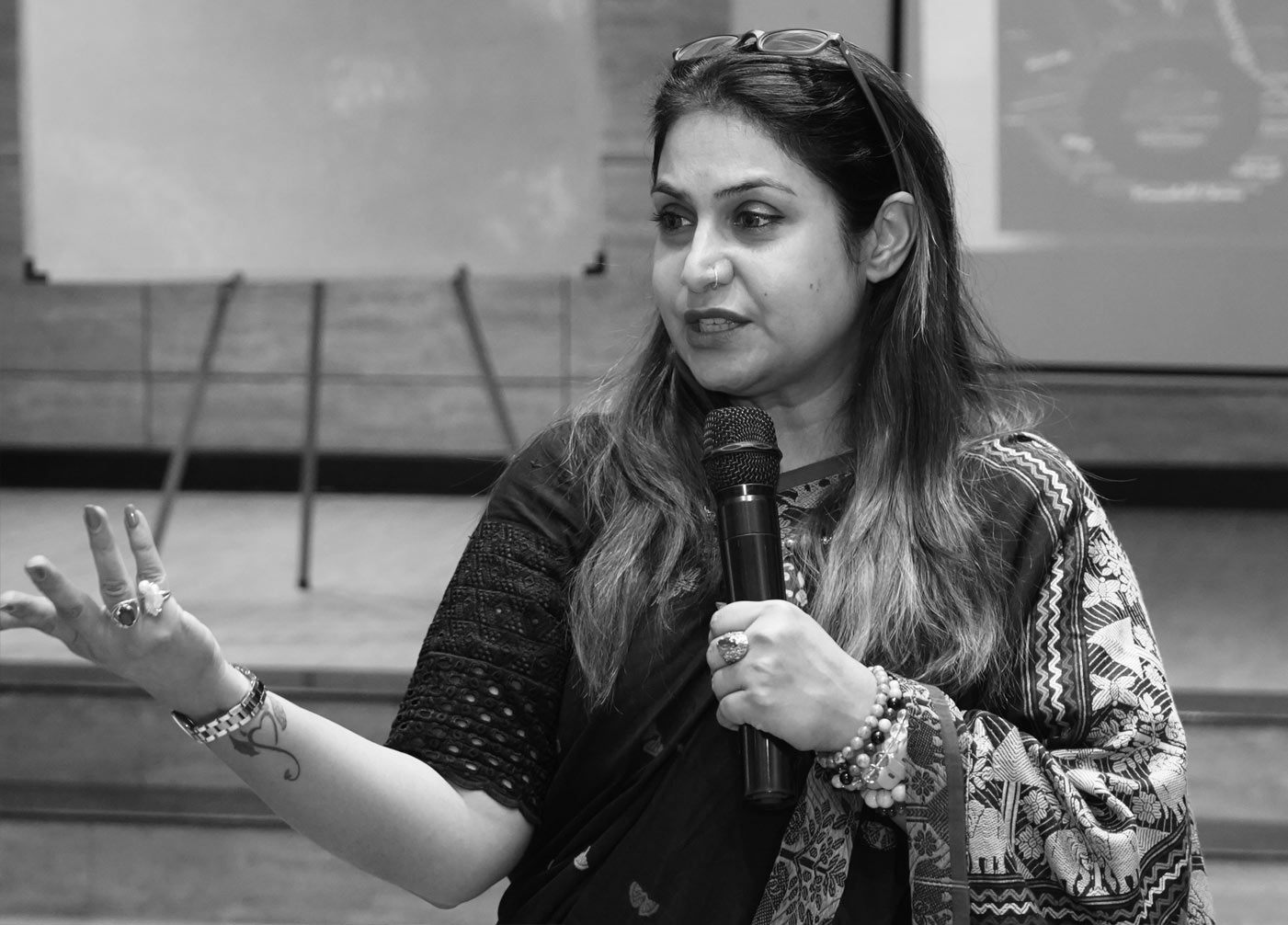
Next up, we speak with Tanvi Joshi, Strategy Director at Landor.
Over the course of our conversation, Tanvi reflects on this year’s IWD theme and what it means to have access to equality while others don’t, and shares what first drew her to the industry. She also discusses how her understanding of fairness has shifted with seniority — from deferring to hierarchy toward creating space for the best ideas regardless of their source.

She also addresses where progress on representation still falls short, the biases that continue to shape workplace decisions, and the one change she wants to see for the next generation: that women stop having to apologize for needing flexibility.
The theme for International Women’s Day 2026 is “Rights. Justice. Action. For ALL Women and Girls.” What does this mean to you professionally and personally?
Women like me – professional, educated, and with some degree of choice, are almost tasting equality today. That is largely thanks to the women before us who worked to make things better for the next generation. But being close to equality ourselves isn’t the finish line. It’s a reminder that many women still don’t even have a playing field, let alone an equal one.
Real action is not just improving our own experience but making sure more women get a fair chance to begin with.

All women have rights, but only some have access to them. To me, “Rights. Justice. Action.” means that those of us who do have access now have a responsibility to extend it, whether inside our workplaces or beyond them. Real action is not just improving our own experience but making sure more women get a fair chance to begin with.
What first drew you to your industry, and was there a defining moment that set your career in motion? Was there a role model who influenced you early on?
I am someone who weeps at fantastic ads and sighs at great campaigns. We all know the impact a good story can create, and it truly is an art to deliver it consistently.
I was fascinated by how the world of a brand comes together and stays that way for years to come. The method to this art drew me to this field.
How has your understanding of fairness changed as you’ve gained experience and seniority?
I have always believed in the power of ideas. Earlier in my career, though, my understanding of fairness was shaped by a more traditional approach like keep your head down, do the work, and let experience speak over time.
As power dynamics evolve, I see fairness less as a function of hierarchy and more as a commitment to recognizing and building on strong ideas, no matter who voices them.
As I’ve grown in seniority, I’ve also seen how younger colleagues bring a different kind of confidence and agency to the table. They actively share their perspectives and challenge thinking, and that has made the exchange of ideas richer and more dynamic.
Today, fairness to me means creating space for the best thinking to emerge, regardless of where it comes from. As power dynamics evolve, I see fairness less as a function of hierarchy and more as a commitment to recognizing and building on strong ideas, no matter who voices them.
As conversations around women and work have evolved, what do you think has genuinely improved—and where do you think more attention and action are still needed?
We are seeing fantastic progress in the representation of women at work. Larger organizations are making deliberate efforts, and smaller ones are beginning to follow. But representation alone is not enough. Women are now part of the picture, yet there are many other cohorts that still need a stronger voice.
On one hand, we like to believe that the most credible idea should be what gets appreciated.
Bias towards gender, experience, race or class continues to shape decisions and often in ways we don’t even notice.
But we all know that is not always what happens. Bias towards gender, experience, race or class continues to shape decisions and often in ways we don’t even notice. We are even seeing it reflected in artificial intelligence, where something as simple as shopping recommendations still suggest cars for boys and dolls for girls. It will take sustained effort from all of us to collectively rise above these biases and truly evaluate the people and ideas in the room more fairly.
What responsibility do senior leaders have in shaping more equitable workplaces, beyond statements or policies?
I think senior leaders have a responsibility to question the systems we’ve inherited, not just run them efficiently. A lot of workplace processes are built around a very specific idea of what a “good performer” looks like: visible, always on, and working in a particular way. The problem is that this quietly filters out people who may be just as capable but who operate differently or have different constraints. I’ve realized over time how easy it is to confuse “works like me” with “works well,” and that’s not always the same thing.
The best leaders, I think, are the ones who make room for what isn’t the norm yet.
The best leaders, I think, are the ones who make room for what isn’t the norm yet. Real progress happens when someone normalizes a different way of working- whether that’s flexibility, quieter styles of contribution, or unconventional paths to good outcomes. It doesn’t have to be dramatic. Sometimes it’s just a leader saying, “This works too”, and meaning it. That small shift makes it easier for more people to belong without having to pretend to be someone else.
What is one change you would like to see in workplaces for the next generation of women?
To not apologize for demanding flexibility – especially mothers with young children and women who are caregivers. It is impossibly hard for talented people to thrive when personal lives are demanding. By using some common sense, teams need to accommodate women when there are constraints and not make them feel bad about it. It is easier said than done. Gone are the days of saying “but we did it in our days”.
Those days weren’t the best, were they?
Quick Hits:
A trend you are excited about, or not excited about:
Excited: I love that audiences have become sharp enough to detect borrowed purpose instantly and it’s forcing brands to be more honest and interesting.
Not excited: I’m less excited by how the industry declares a new “trend” every few weeks so we have something new to make slides about and put on LinkedIn.
A creative campaign or representation of women that inspired you or made you feel seen
“Share the load” by Ariel has my heart. Educated, empowered women “with help” are still struggling to balance it all.
A piece of advice that stayed with you longer than expected.
You will never be a hundred percent everywhere. Every season has different seeds to sow and different fruits enjoy. Calibrate and keep moving.