We’re devoting the month of March to featuring voices from across the industry as part of our IWD Voices series, where leaders reflect on their journeys, share their experiences and insights, and discuss the lessons that have shaped them.
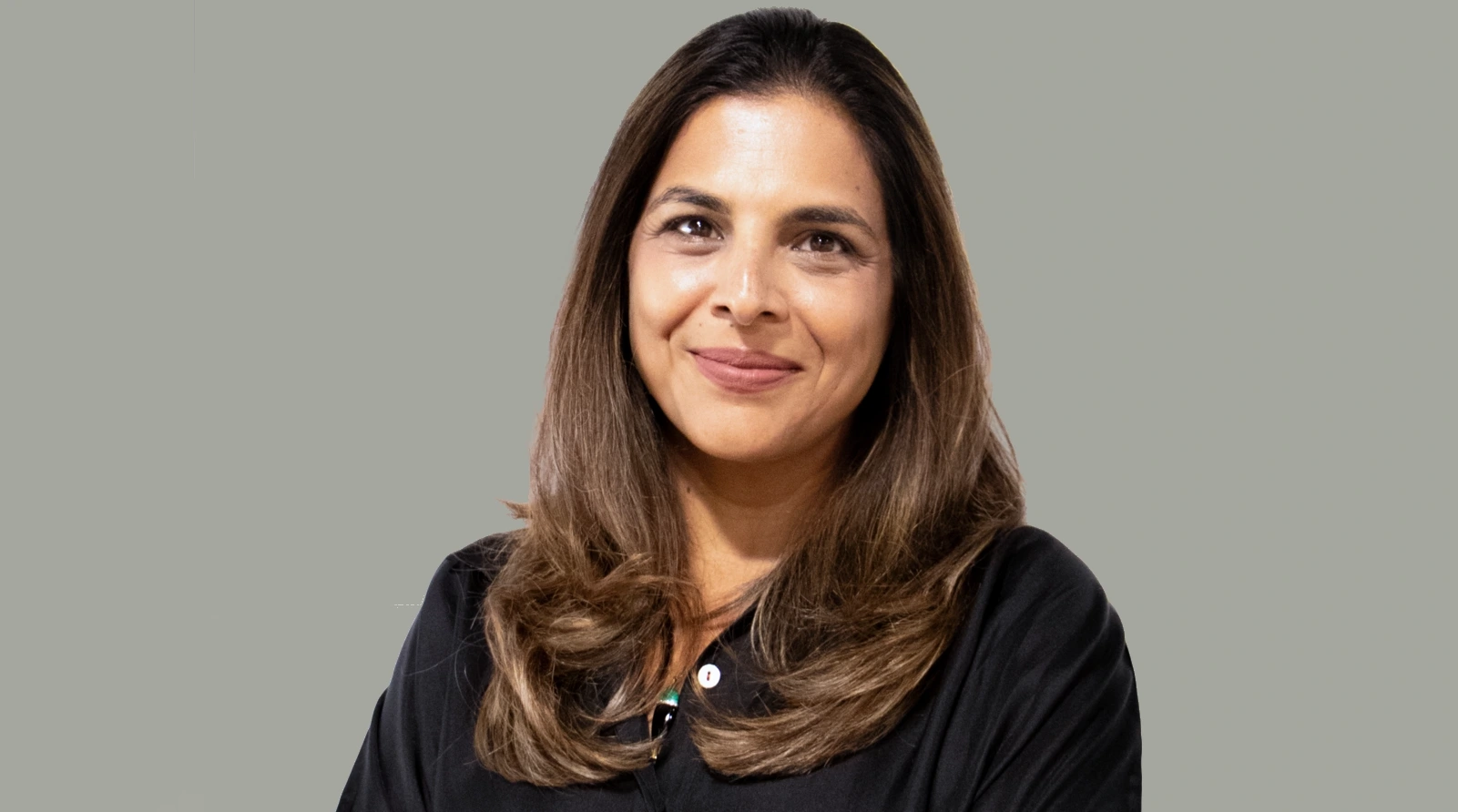
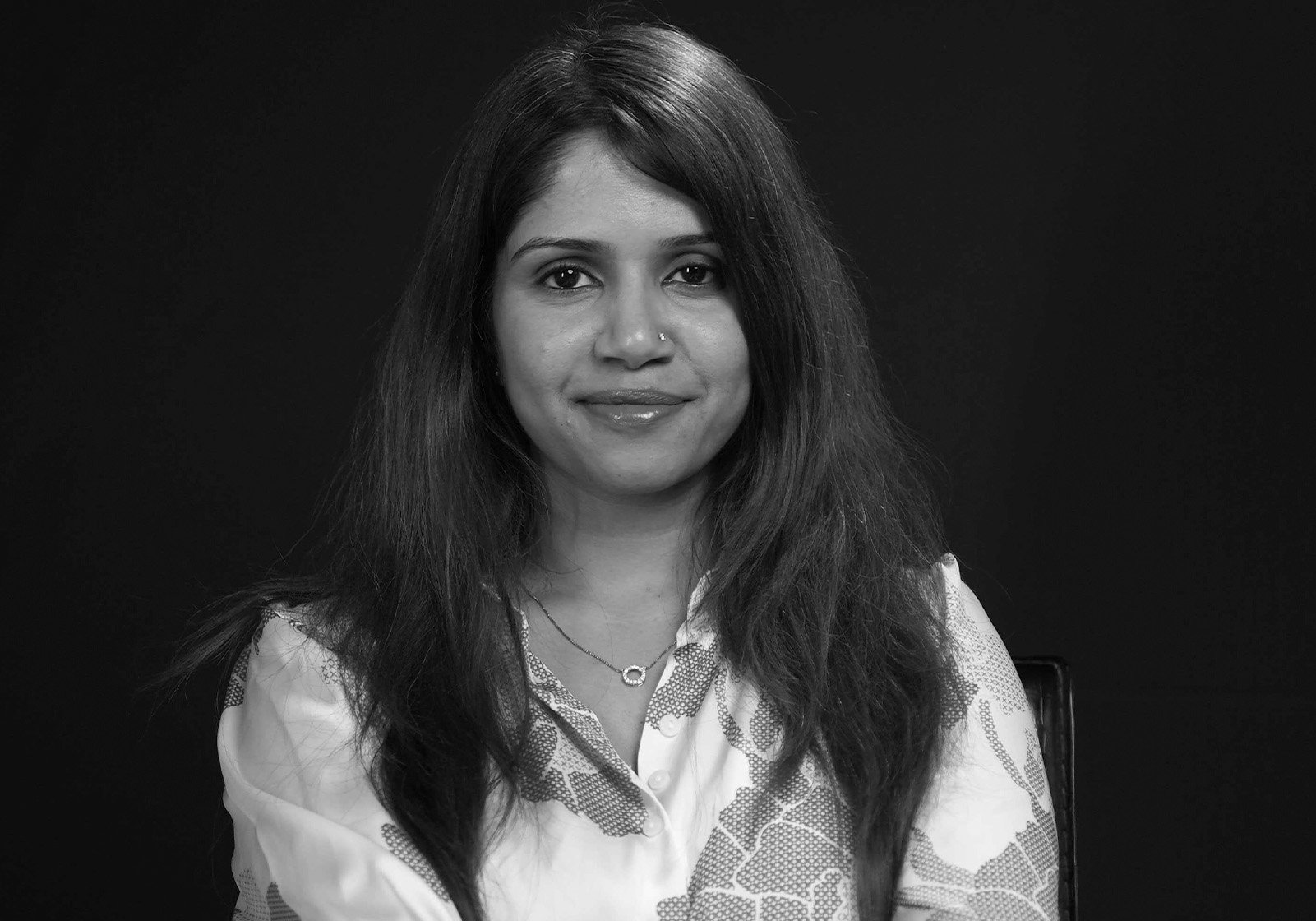
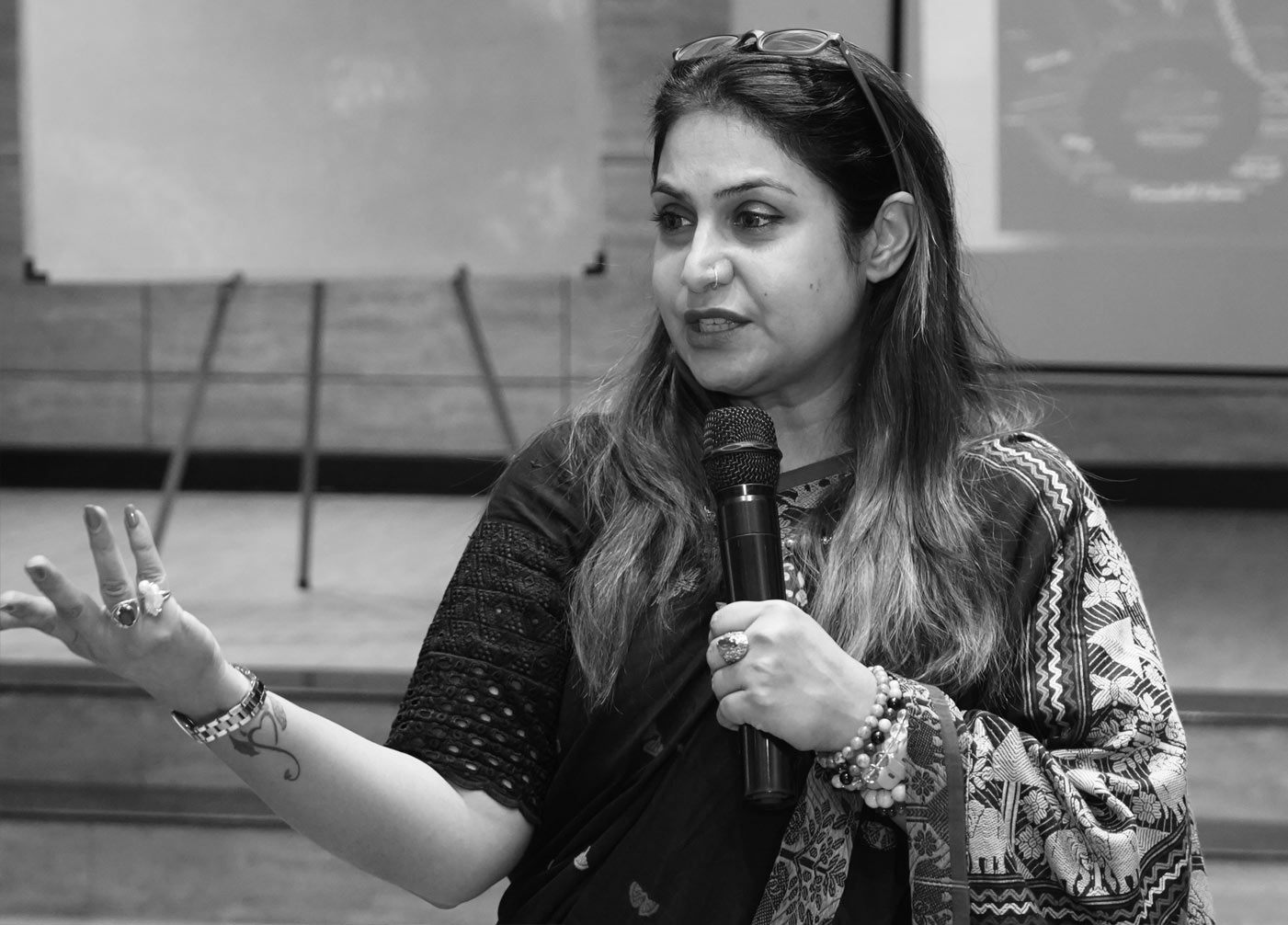
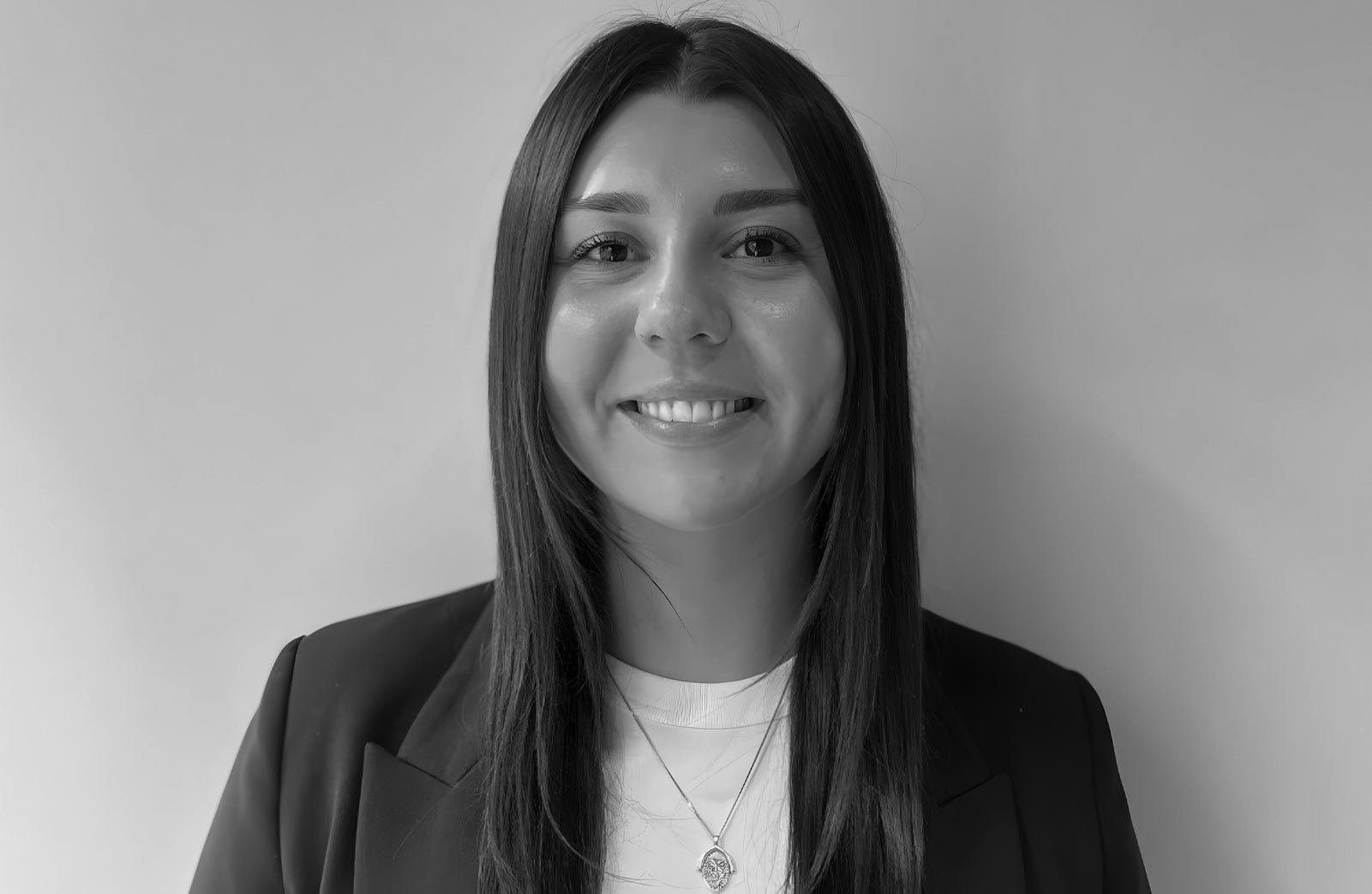
Next up, we speak with Melisa Zenicanin, Marketing Director, APAC at Ogury.
In our conversation, Melisa reflects on what this year’s IWD theme means to her — personally and professionally — and what first drew her to an industry where human behavior and culture intersect. She also shares what she believes has genuinely shifted in workplace conversations around women, and where progress remains uneven.

She additionally discusses the responsibility senior leaders carry in interrogating the systems they operate within, and the one change she would most like to see for the next generation of women in the workplace.
The theme for International Women’s Day 2026 is “Rights. Justice. Action. For ALL Women and Girls.” What does this mean to you professionally and personally?
For me, this theme is a reminder that equality isn’t a milestone you reach, it’s something that is practiced every day.
Professionally, rights are about having fair access to opportunities, not just being given a seat at the table, but being trusted with meaningful work, and being supported when it counts. I may not hold the most senior seat in the room, but I’ve felt the difference when someone advocates for you and backs your ideas.

Justice makes me think of the quiet systems we operate in – how we define leadership, how performance is measured, who gets the visibility. Sometimes inequality isn’t loud or obvious, it’s embedded in patterns we’ve stopped questioning and being aware of that is important at every level.
Action is the practical part. It’s the small daily choices, who you credit, who you recommend, who you check in on. None of us can individually fix the system, but we all influence someone else’s experience of it.
For me, this theme is a reminder that equality isn’t a milestone you reach, it’s something that is practiced every day.”
Personally, it reminds me that no one progresses alone. Every step forward I’ve taken has been because someone opened a door, shared advice, or simply made space. For me, this theme is about continuing that chain — in whatever way I can.
What first drew you to your industry, and was there a defining moment that set your career in motion? Was there a role model who influenced you early on?
I was drawn to media and advertising because it blends psychology, culture, and commercial impact. It’s one of the few industries where you can observe human behaviour at scale and then influence it.
There wasn’t a single defining moment, but more of a shift where I realised this industry doesn’t just respond to culture, it helps shape it. That reframed the idea from “executing campaigns” to influencing how brands participate in society.
I’ve also been really lucky to work at companies with female leaders at the helm. Watching them navigate complexity with composure and grace showed me that leadership doesn’t always need to be loud to be powerful.
As conversations around women and work have evolved, what do you think has genuinely improved—and where do you think more attention and action are still needed?
I think what’s changed is awareness. Conversations that once happened quietly now happen much more openly across workplaces and industries. There’s also been real progress around flexibility. Remote work, parental leave, and non-linear careers are more accepted than they were even a decade ago, and career breaks are less taboo. That shift matters as it recognises that people don’t all follow the same life and career timelines.
Representation at a junior level, however, isn’t the same as equity in more senior roles. Many industries have done a good job improving the pipeline of women entering the workforce, yet progression into more decision-making roles is still uneven. Somewhere between entry and leadership, momentum has been lost.
Many industries have done a good job improving the pipeline of women entering the workforce, yet progression into more decision-making roles is still uneven.
We also need to move beyond narratives that frame women as lacking confidence. This is often presented as a core barrier, which oversimplifies the issue. The challenge is actually the system that rewards a certain style of leadership: one communication style, one type of career path.
Progress will come from encouraging organisations to adapt those systems and question whether they reflect the full range of talent that already exists.
What responsibility do senior leaders have in shaping more equitable workplaces, beyond statements or policies?
Senior leaders have a responsibility to look at the systems they’re operating inside, not just the intentions behind them.
It’s easy for organisations to say they value diversity or inclusion, but the real question is whether the structures around hiring, promotion, performance measurement, and visibility actually support that. Who gets the high-profile projects? Who is mentored into leadership roles? Who is evaluated against which standards?
Often, inequity isn’t the result of bad intent, but of processes that were never designed with different career paths or life circumstances in mind.
A big part of leadership is being willing to interrogate those patterns honestly, even when the answers are uncomfortable. Often, inequity isn’t the result of bad intent, but of processes that were never designed with different career paths or life circumstances in mind.
So, the role of senior leaders is less about declaring values and more about continually asking: who does this system work well for, and who might it unintentionally leave out? And then being willing to adjust it.
What is one change you would like to see in workplaces for the next generation of women?
I’d like to see workplaces move away from the idea that there’s only one “right” way to build a career.
For a long time, success has followed a fairly rigid script: constant progression, constant visibility, and a leadership style that often rewards the loudest voice in the room. That works for some people, but it also filters out a lot of capable talent.
The next generation shouldn’t have to reshape themselves to fit that model. Careers can be non-linear, leadership can look different, and stepping sideways or taking a pause shouldn’t be mistaken for a lack of ambition.
Quick Hits:
A trend you are excited about, or not excited about:
I’m excited about the industry moving away from neat demographic boxes. The more data we have, the more we realise people are far more nuanced than labels like “women 25–34”, and that makes for much better decisions.
A creative campaign or representation of women that inspired you or made you feel seen:
Nike – Dream Crazier
A piece of advice that stayed with you longer than expected:
“Don’t confuse being busy with being useful.” It’s simple, especially in an industry that moves fast and rewards activity. The real value comes from the thinking, not just the motion.