With International Women’s Day just past — and recognizing that a single day is never enough to celebrate the contributions of women — we are dedicating the entire month of March to spotlighting voices from across the industry as part of our IWD Voices series. Leaders will share their journeys, experiences, insights, and the lessons that have shaped them.
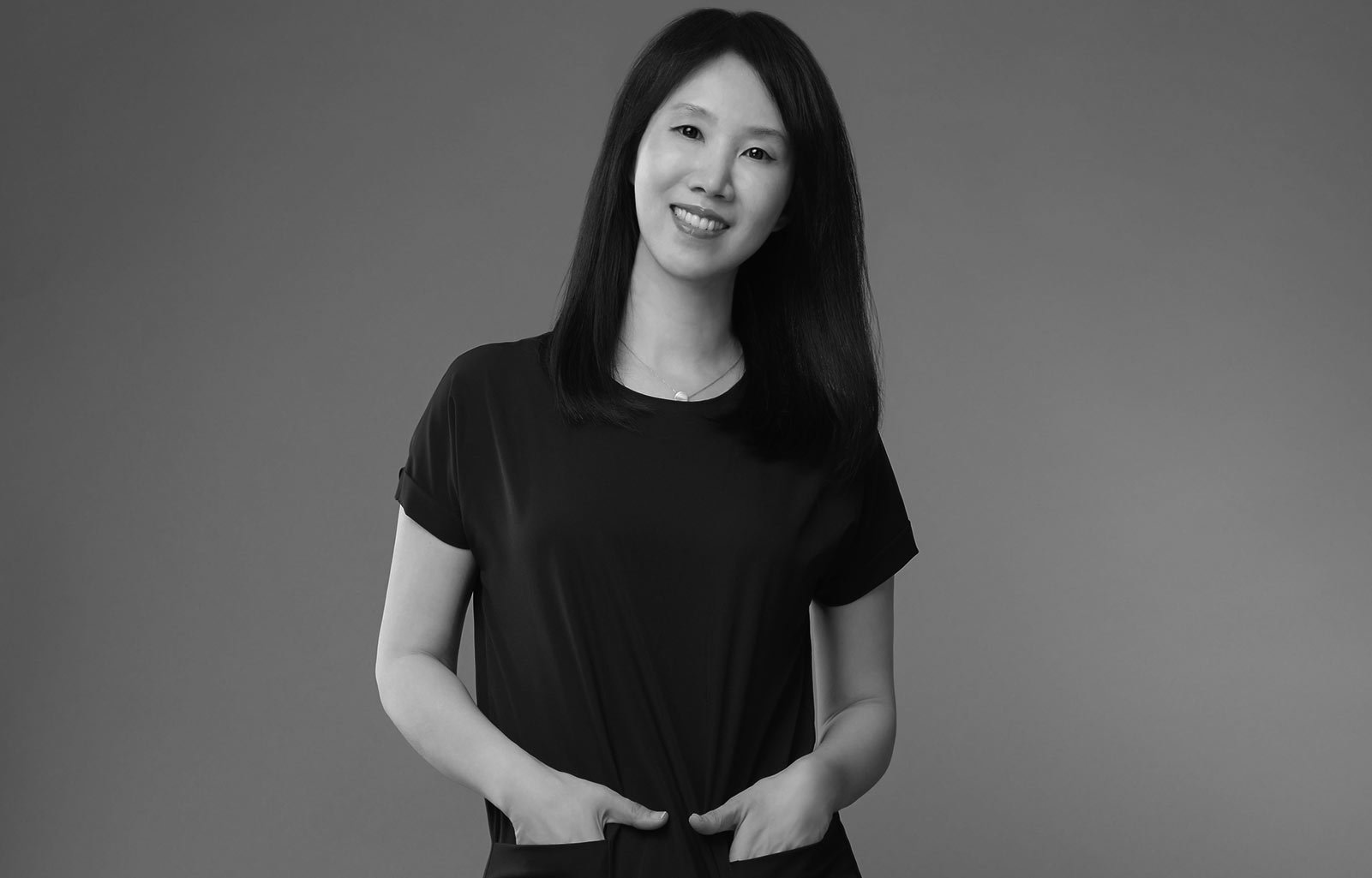
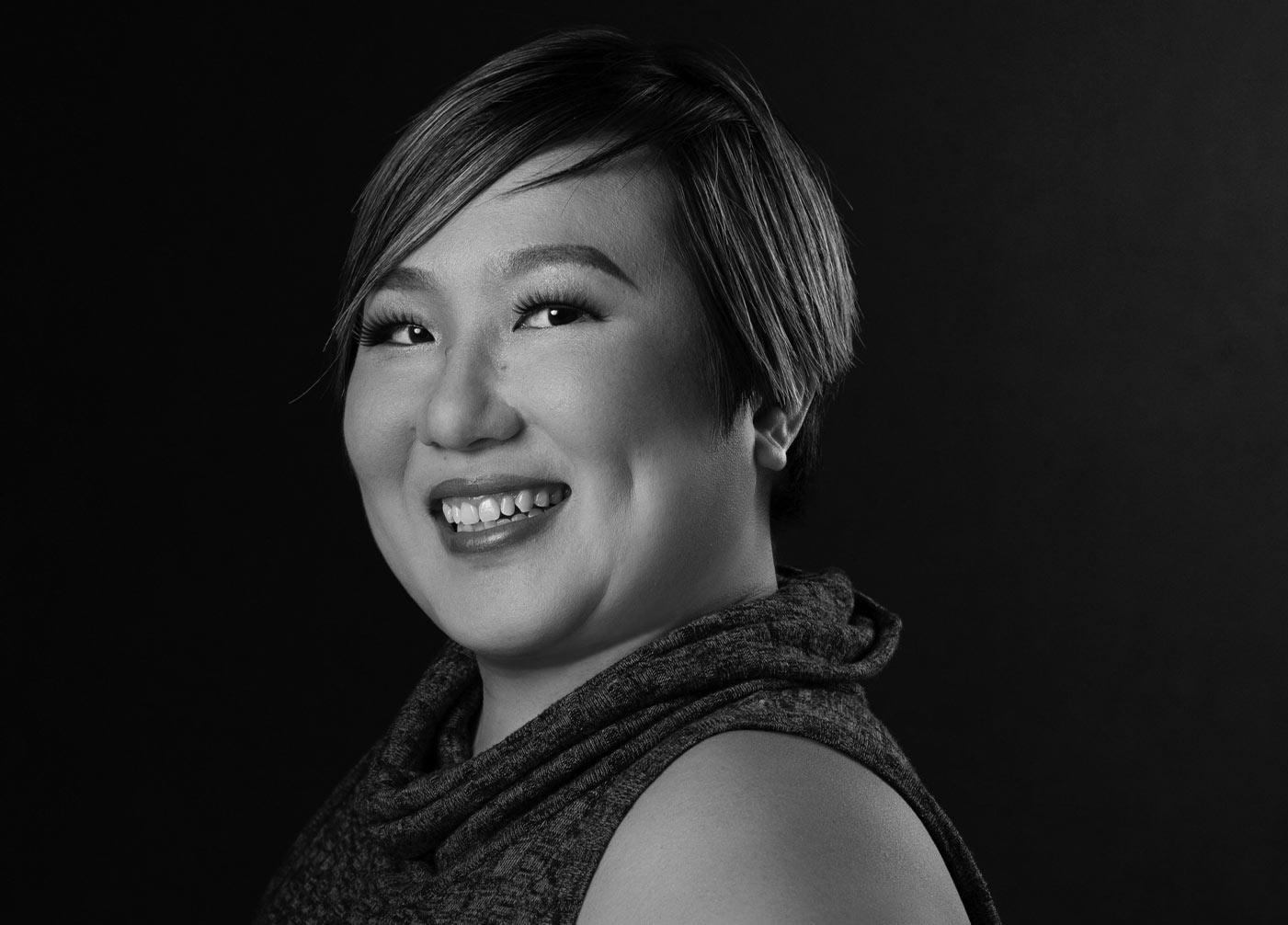
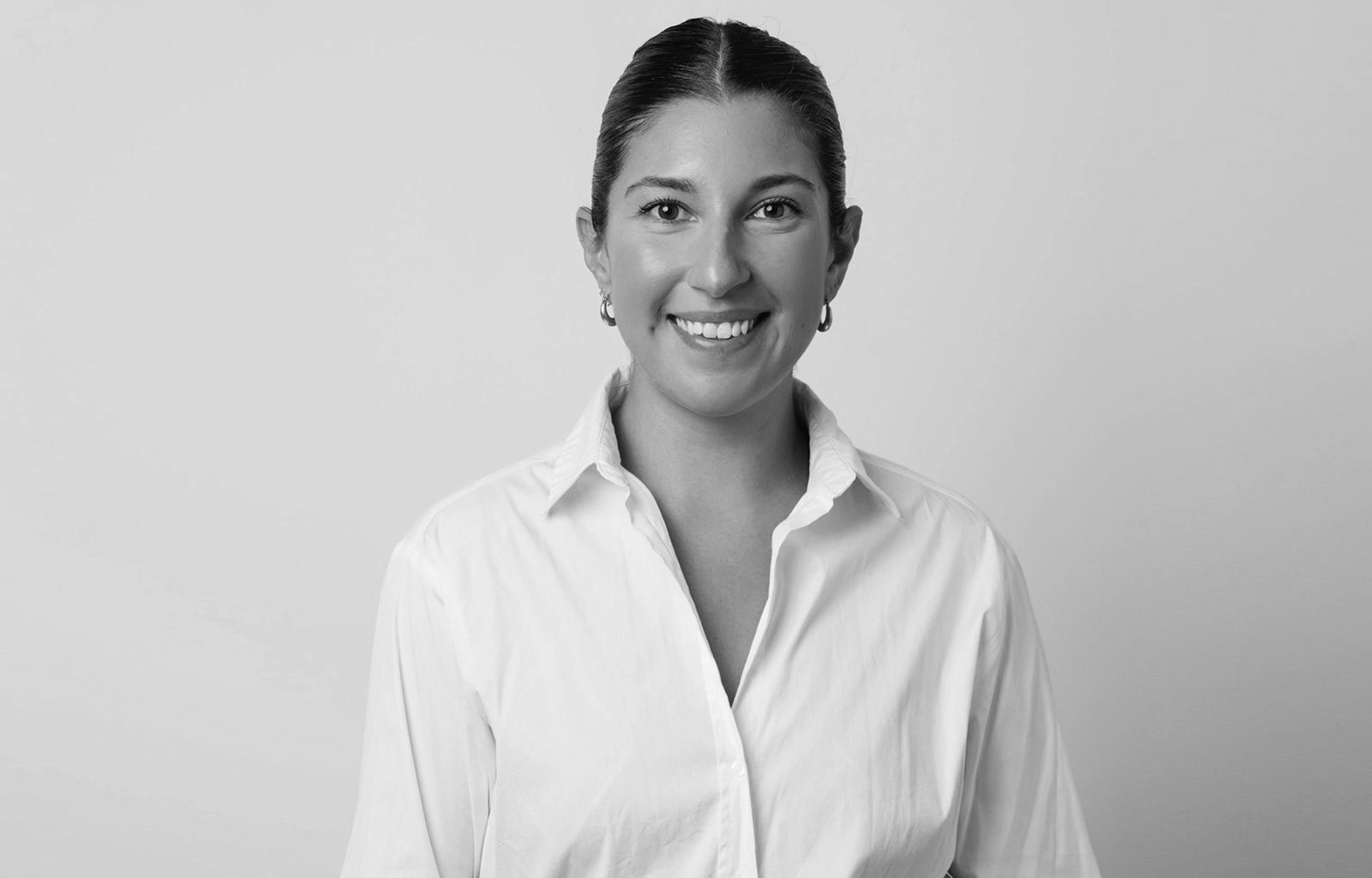
Next up, we speak with Andrea Theodore, Senior Director, People, APAC at Monks.
In our conversation, Andrea reflects on what this year’s IWD theme means to her, noting that equality should be assumed rather than something women have to prove, and that progress requires active, collective effort through policies, advocacy, and everyday decisions.

Andrea also speaks about her career path, which grew from a long-standing interest in people, culture, and organisational dynamics, and reflects on the role her mother’s resilience and determination played in shaping her drive and perspective.
The theme for International Women’s Day 2026 is “Rights. Justice. Action. For ALL Women and Girls.” What does this mean to you professionally and personally?
Equality should be a birthright. It shouldn’t be something women have to fight to prove or justify – it should be assumed. The theme also calls out something important: action. Progress doesn’t happen by default. It happens when people actively and collectively work to move things forward – through policies, through advocacy, and through the everyday decisions we make in our workplaces and communities.
In my role leading People strategy across the Asia Pacific region, I see firsthand how workplace structures and policies can either create opportunity or unintentionally reinforce barriers.

Personally, I was fortunate to grow up in an environment where I was told I could be anything I wanted to be. I attended a school that encouraged ambition and gave young women the confidence to dream broadly about their futures. That experience shaped my thinking and gave me a sense of self-belief as a young adult.
Equality should be a birthright. It shouldn’t be something women have to fight to prove or justify – it should be assumed.
As I’ve gotten older, I’ve also come to recognise that this was a privilege not everyone has. Many women grow up without those same messages or opportunities. That awareness has made me more conscious of the responsibility we all have to create environments – especially at work – where women and girls can genuinely see possibilities for themselves.
What first drew you to your industry, and was there a defining moment that set your career in motion? Was there a role model who influenced you early on?
I’ve always been interested in solving business problems, but equally fascinated by people – what makes them tick, how culture shapes behaviour, and how organisations function. From a young age I was drawn to subjects like history, sociology, language and culture, so working in people and organisational strategy felt like a natural intersection of those interests.
There wasn’t necessarily one defining moment that set my career in motion. If anything, it has been a series of experiences and lessons over time that have gradually shaped where I’ve ended up. What keeps me engaged is that the work is dynamic – every day brings a different challenge and a new opportunity to think about how people and businesses can operate better together.
In terms of role models, it may sound cliché, but my mum has had the biggest influence on me. She migrated to Australia and taught herself English when she arrived. She wasn’t afforded the same educational opportunities that I had – she didn’t even get the chance to finish high school.
In terms of role models, it may sound cliché, but my mum has had the biggest influence on me.
Watching her resilience, determination and work ethic growing up had a profound impact on me. Seeing what she built despite those barriers gave me both perspective and drive.
I also grew up in a migrant family where traditional gender roles were quite strong. While I went to an all-girls school that encouraged independence, ambition and freedom of thought, at home the expectations around gender were very different. In many ways I grew up navigating that dichotomy between two worlds.
As I moved into my career and began stepping into leadership roles, I realised some of those early dynamics had shaped how I viewed authority. I often found myself instinctively deferring to male voices in the room, simply because that was the model of leadership I had grown up seeing. Learning to find and use my own voice has been an ongoing process.
What has helped enormously has been seeing other women leaders in action. Watching how they navigate complex environments, and having their support – both privately and publicly – as given me confidence to lead in a way that feels authentic to me. It’s a reminder of how powerful visibility and sponsorship can be for women coming through the ranks.
How has your understanding of fairness changed as you’ve gained experience and seniority?
Earlier in my career, I thought fairness meant everyone starting from the same place and that equality meant treating everyone exactly the same. Over time, I’ve realised that fairness is actually about equity, not sameness.
People don’t start from the same line. Structural factors, life circumstances, and social expectations can create very different starting points for different individuals – including women. When those factors aren’t acknowledged, systems that appear “equal” can actually reinforce disadvantage.
Women often carry a disproportionate share of responsibilities – from childcare and household management to what many call the “mental load.” They are also frequently expected to educate others about gender issues in the workplace.
In my work in HR, I try to influence policies and practices that recognise these realities and help level the playing field. That might mean creating better parental leave policies, ensuring equitable career pathways, or making sure workplace structures take into account the realities many women face outside of work.
Women often carry a disproportionate share of responsibilities – from childcare and household management to what many call the “mental load.” They are also frequently expected to educate others about gender issues in the workplace. These realities are rarely fully acknowledged in traditional workplace models.
Many organisations still operate in ways that make it difficult for women to genuinely balance both professional and personal responsibilities. I think the coming years will be an important test of how workplaces evolve to better accommodate these realities.
As conversations around women and work have evolved, what do you think has genuinely improved — and where is more action still needed?
There has definitely been progress. Many countries now have stronger legislative protections and more formal policies around flexible work, parental leave and workplace equality. These frameworks are important and represent real progress.
However, policies alone don’t always translate into cultural change. In many workplaces, there is still a degree of stigma around using flexibility – even when it is formally available. Some employees still worry that taking advantage of flexible arrangements could impact how they are perceived professionally.
One positive shift I’ve noticed is that more men are taking active roles in caregiving and being more open about those responsibilities at work. That kind of cultural change is incredibly important because it helps normalise shared responsibility at home.
Policies alone don’t always translate into cultural change. In many workplaces, there is still a degree of stigma around using flexibility – even when it is formally available.
Ultimately, flexibility shouldn’t be viewed as a “women’s issue.” It benefits everyone. When organisations truly embrace it, it creates more sustainable ways of balancing work and life for all genders.
Is there a project or initiative you’ve worked on related to women’s empowerment that you’re particularly proud of?
One initiative I’m particularly proud of has been helping to launch and standardise parental leave policies across the Asia Pacific region. Given the diversity of legal frameworks and cultural contexts across the region, creating policies that meaningfully support employees at such an important life stage felt both complex and impactful.
I’ve also been closely involved in our workplace gender equality reporting, which plays an important role in increasing transparency and accountability around gender equity.
More recently, organising International Women’s Day initiatives across our APAC offices has been a meaningful experience. It creates space for conversations that might not otherwise happen and encourages people to reflect on how they can contribute to more inclusive workplaces.
Interestingly, one of the initiatives that has felt most rewarding isn’t strictly framed as women’s empowerment: our graduate programs. Supporting early-career talent – particularly young women – and watching them grow and develop in their careers has been incredibly fulfilling.
Seeing the next generation step into leadership pathways is one of the most tangible ways change happens.
What responsibility do senior leaders have in shaping more equitable workplaces, beyond statements or policies?
Senior leaders have a significant responsibility to walk the talk. Culture is shaped far more by behaviour than by policy documents.
That means role modelling inclusive leadership, being open to feedback, and actively educating themselves on perspectives and experiences that may differ from their own.
Culture is shaped far more by behaviour than by policy documents.
I also think humility is important. Leaders don’t need to have all the answers, but they do need to be willing to listen, reflect, and continue learning. Empathy and curiosity about different life experiences go a long way in building more equitable environments.
Ultimately, creating fairer workplaces requires both organisational systems and personal accountability.
What is one change you would like to see in workplaces for the next generation of women?
I would like to see the concept of leadership continue to evolve.
Historically, leadership has often been associated with traditionally masculine traits – decisiveness, authority, and a very action-oriented style. While those qualities have their place, they’re not the only ways to lead effectively.
I believe the future of leadership will place greater value on qualities such as empathy, emotional intelligence, collaboration and warmth. These attributes create stronger teams, more inclusive environments, and ultimately more sustainable organisations.
I believe the future of leadership will place greater value on qualities such as empathy, emotional intelligence, collaboration and warmth.
If workplaces can broaden their definition of what leadership looks like (and what types of leadership they reward), it will open the door for a much wider range of people – and leadership styles – to thrive.
I’m optimistic about the next generation. They are entering the workforce with different expectations about equality, flexibility and leadership – and organisations will need to evolve alongside them.
A piece of advice that stayed with you longer than expected:
That anyone can do anything they want in this life as long as they set
their mind to it.