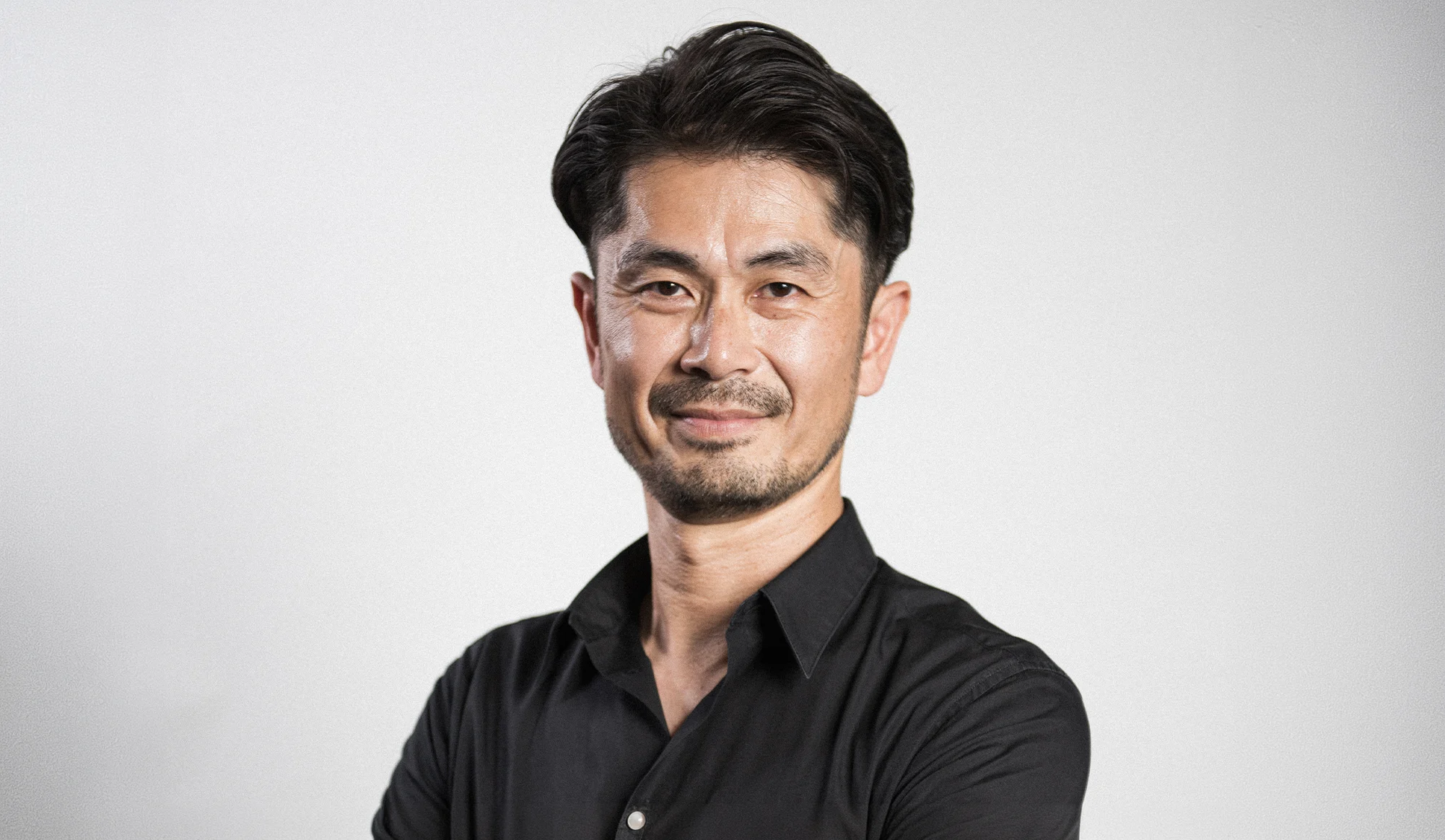
Earlier this month, Sarah Emmanuel-Cheong and Edric Cheong officially launched Chop Shop, a Singapore-based creative collective built around a different approach to the traditional agency model.
That idea might sound like a familiar line from the indie agency field guide, but the husband-and-wife pair, who most recently worked together at UltraSuperNew—itself a distinctive creative presence—have a particular philosophy of what an agency should look like.
One part of their vision is the role of life beyond advertising—the idea that other pursuits can bring something different to the creative work. As Sarah puts it, “our main task is that people who work with us pursue other passions.”

The name has its own story. What started as a joke draws on both a Singapore colloquialism and the idea of dismantling something to build something new. It stuck.
To learn more, we spoke with the pair about taking the leap, the thinking behind Chop Shop’s collective model, why they believe PR should be part of an idea from the outset, and what they want to build from here.
Your launch announcement noted that some might think it’s a crazy time to start an agency. What were you seeing in the industry that made this feel like the right moment to go for it?
Sarah: It’s not so much ‘the right moment’ but rather ‘if not now, when?’ I’m someone who typically errs on the side of caution, but Edric was the one who pushed me. He just looked at me and simply said: “What’s there to lose?” He was right.

Tell us about the name and how it came about.
Edric: In Singapore, there’s a colloquialism guarantee plus chop, which basically means you vouch for something. People always say chop chop cos everything needs to be quick. And honestly, it started as a joke, and I already liked it, but then Sarah was like, no, that’s the one. Then she started talking about what we’d said we wanted to set out to do, and it paralleled dismantling stolen cars at a chop shop. It was accurate not just to the brand but to our personalities.

So it all fell into place. After that, every time we tested the name out on people, it stuck, and Chop Shop was born — a place to evolve consumer communication by dismantling old ways and building new, stronger ones.
The agency is described as a creative collective rather than a traditional setup. What does that mean in practice, and what was the thinking behind the model?
Sarah: In principle, it’s what you would call fractional, except that our main task is that people who work with us pursue other passions. Whether that’s content, retail, creative, or otherwise, but not advertising-related. Edric used to tell me something he read once, which was “you can’t be creative if you don’t let yourself be bored,” and we realised our favourite people we have worked with through the years, didn’t see their careers as their whole lives. They had other passions, interests and side quests. It made them better creatives.
Edric used to tell me something he read once, which was “you can’t be creative if you don’t let yourself be bored,” and we realised our favourite people we have worked with through the years, didn’t see their careers as their whole lives.
Honestly, it works because we manage our time well, and we have a pool of creatives who are humble and hand off to each other in the event they need to. Everyone is respected for what they do in and outside the collective.
You’ve built the collective around people who pursue inspiration outside advertising. How does that approach influence the kind of creative work you want to produce?
Edric: In the future, we hope it leads to collaborations with the team’s side quests but at the moment, it has very visibly given us an edge in our ideas. Each of our team members is a different breed.
They’re all part of unique communities and steeped in different cultures. So there’s ALWAYS a new perspective, an alternate angle to explore where creative work is concerned.

Agility is central to how you describe the business. Beyond being smaller or moving faster, what does being agile mean to you creatively and commercially?
Edric: In principle, an agency’s ability to be creatively agile is pretty straightforward. There’s agility to obtain cultural currency, which starts from early adoption and results, trying new things and leadership being ok to take risks at the drop of a hat. It takes trust, respect, and gut feel both within the organisation and with our clients.
Sarah: The structure of the agency is that all creatives have humility and teamwork so they can also then operationally be agile. That’s the only way the model works to its absolute fullest potential. Handing off to each other so people can tap in and out while maintaining consistency and quality. It’s work, alright, but it’s well worth it.
Commercially, there isn’t much change for how that financially affects clients but we are all very well-connected individuals who have a lot of street cred and so the good will flows in all directions.
PR is one of Chop Shop’s core disciplines, and you’ve talked about weaving it directly into creative work rather than adding it later. Can you talk more about that?
Sarah: My very amazing friend Deborah Abraham spoke about this at length during Spikes a couple of years back and that was really what made it a core discipline all these years later. She said that you have to ask yourself what the PR angle is from the get-go. It makes us question which part of this ‘cool idea’ makes it talkable and what part anyone will find genuinely special.
It’s not about how smart we think we’re being or about getting industry praise; I mean, that’s nice and all. But PR, earned media? That’s quite literally currency you can’t buy. We try to encourage our clients to see things through that lens too. Out of their heads, and into the audiences.
What kinds of clients and working relationships bring out the best in this model?
Edric: I’m going to parrot something Sarah told me like 8 years ago. There aren’t “cool brands” to work for. There are only cool clients who make their brand one you want to succeed for. And cool creatives who make any selling point something the audience can buy into.
I’m going to parrot something Sarah told me like 8 years ago. There aren’t ‘cool brands’ to work for. There are only cool clients who make their brand one you want to succeed for.
Sarah: I’m surprised he remembers that all these years later. But it’s really true, though. A client relationship is what is real value. Some of the best clients I’ve had come to me with warning labels slapped on them. They were ‘scary’ or ‘hard to work with’ but realistically, I’ve been called those same things. Ultimately, the best client relationships come from professional respect. Game recognises game, am I right?
What’s the toughest lesson you’ve learned since the soft launch in January?
Sarah: Some people will always try to take advantage of the little guy. Before our hard launch, I don’t think many people knew the scale of the team or the level at which we could operate. And I’ve had to remind myself that more times than others, you must expect to be treated like you have no skin in the game. Anything more than that will be a happy advantage, but going in with no entitlement is what helps us win.

Looking to the future, what does success look like for Chop Shop?
Edric: Sarah and I want the model to grow. We want to become a place where brands can come when they want someone who will give it to them straight and help them out. We want clients who want to figure out uncertainty together. But most importantly, we want to grow this network of creatives who want to pursue passions and advertising while having both those things feed into each other.
Sarah: Real.