The rise of AI-generated imagery is reshaping the visual landscape—disrupting how brands source content, challenging long-held ideas about authorship, and raising new legal and ethical questions for industry. As synthetic visuals flood the market, concerns about compensation, representation, and authenticity have come to the forefront—particularly for photographers whose livelihoods depend on real-world image creation.
At the same time, brands face growing pressure to navigate these shifts prudently, balancing innovation with authenticity, trust, and legal risk.
To gain more insight, we recently caught up with Dr. Rebecca Swift, Senior Vice President of Creative at Getty Images. With over two decades in the industry and a background in visual research, Dr. Swift brings a nuanced perspective to the impact of AI on commercial photography and how brands approach visual communications.
In our conversation, she reflects on the opportunities and risks AI presents, from legal ambiguities and shifting client expectations to the deeper issue of trust in visual storytelling. We also explore how Getty Images is approaching these challenges—balancing innovation with responsibility—and how real-world photographers can navigate an era increasingly dominated by generative tools.
For Dr. Swift, the path forward isn’t about choosing between AI and photography, but understanding how the two can coexist to create more meaningful content.
With over 20 years in the photography industry and as a founding member of Getty Images’ creative research team, how do you feel about AI’s rapid advancement in imagery?
AI isn’t just advancing—it’s bulldozing its way into the visual industry. When the hype first started, I was amazed by what AI could do and excited about its creative potential. I still am! AI enables creatives to push visual boundaries, exploring ideas that were once impossible or prohibitively expensive to produce. However, as the hype settled and these tools became widely available, their impact—both positive and negative—became clearer.
What does this mean for creatives and creators? How will they be compensated for their work? What are the risks of AI for brands? Do consumers even care if an image is AI-generated? Who owns the copyright of AI-generated images?
Many of these questions remain unanswered—not just for the industry, but for the world.
“I strongly believe the future of creativity belongs to those who know how to wield AI as a tool—an amplifier of creativity—not those who think it can stand alone.”
That said, as of today, I believe the future for creatives and creators capturing real-world images is wide open and brighter than ever. I strongly believe the future of creativity belongs to those who know how to wield AI as a tool—an amplifier of creativity—not those who think it can stand alone.
What insights does the data reveal about customer adoption of AI-generated images versus traditional photography? Are you observing resistance or growing acceptance in the marketplace?
When AI-generated visuals first emerged, the excitement was undeniable. Brands were eager to explore the possibilities of an AI-powered future. But alongside that enthusiasm came hesitation—real concerns about brand identity, audience trust, and the legal risks tied to AI-generated imagery. And those risks are substantial: AI models often rely on copyrighted content without the original creators’ consent or compensation, they have been shown to reinforce biases embedded in their training data, and they have the potential to mislead through entirely fake images.
“Consumers don’t want to feel misled—90% want to know when an image has been created using AI. And when it comes to credibility, authenticity, realism, and emotional connection, traditional photography still leads.”
Amidst this uncertainty, Getty Images took a deliberate, responsible approach by introducing text-to-image AI technology designed to address these concerns head-on. As a result, we’ve seen our customers shift from skepticism to a proactive approach, seeking ways to adopt AI responsibly. Yet, even as brands embrace safer AI tools, one critical question remains: Should we consider AI-generated content, and if so, how?”
Our research points to a clear answer: it all comes down to trust and transparency. Consumers don’t want to feel misled—90% want to know when an image has been created using AI. And when it comes to credibility, authenticity, realism, and emotional connection, traditional photography still leads. This isn’t about AI replacing photography; it’s about understanding where AI belongs in the visual ecosystem—and using it with purpose.
What legal responsibilities should end users of AI-generated images be aware of? Has recent case law provided any clarity for designers or brands using AI-generated content created by others?
Copyright law hasn’t caught up with AI, but creatives worldwide aren’t waiting around. From the SAG-AFTRA strikes to the Silent AI protest album led by 1,000 artists in the UK, creative industries are demanding fair compensation to ensure AI’s future is sustainable—not exploitative.
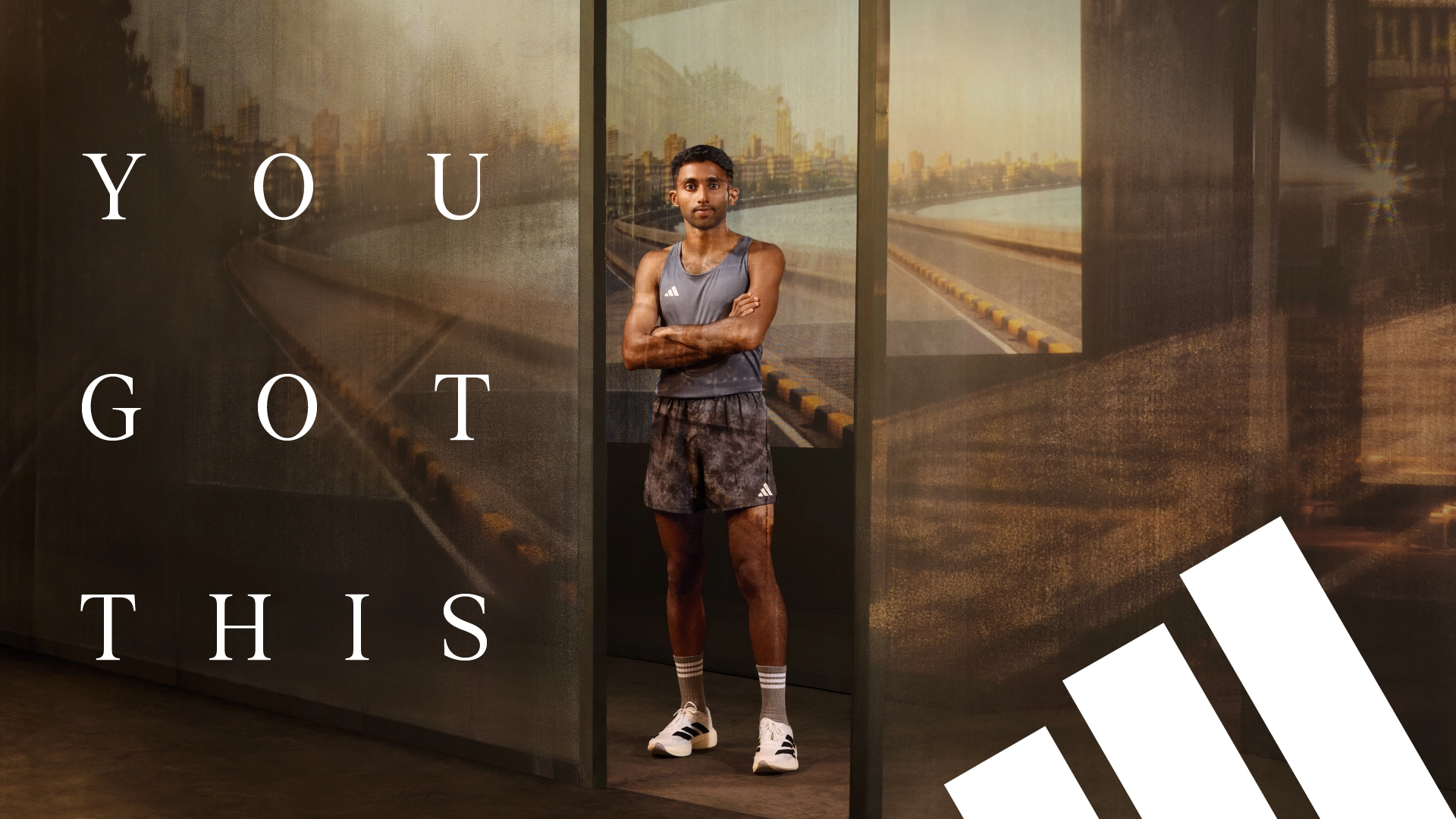
But brands shouldn’t wait for regulations to play catch-up. As I mentioned earlier, AI carries real risks. You might unknowingly be incorporating copyrighted elements into your marketing. AI models scraping the web can reproduce the obvious—logos, celebrities, and other IP-protected assets—but also the unexpected: landmarks, signature design elements (like Adidas’ three stripes), tattoos, and even fireworks, which can all be protected under intellectual property law.
“The safest approach? Use commercially safe AI models that offer legal indemnification to protect your brand.”
And the risk isn’t just in creating AI images from scratch. Even if you’re sourcing images traditionally, do you know if AI-generated content is slipping into your library? Unlike other platforms, our creative libraries are free from AI-generated content, ensuring that when you search for real photography, that’s exactly what you get.
The safest approach? Use commercially safe AI models that offer legal indemnification to protect your brand. Treat AI-generated visuals like royalty-free images—meaning you need to understand how they were created, what rights are attached, and whether they come with the legal protections your business needs. In AI, as in all creative work, transparency isn’t optional—it’s essential.
As AI becomes more prominent in stock imagery, how do you envision the evolving role of human photographers in this changing landscape?
Having been in the visual content industry for a while, I’ve seen transformative shifts—from analog to digital, from standalone cameras to smartphones, and now, AI. Each time has heralded the end of photography, but it wasn’t. Instead, these changes made creators’ expertise even more valuable. There’s a clear difference between a photo I snap with my phone and one taken with that same phone by a Getty Images award-winning photographer.
“My take? As it becomes harder for brands to stand out, real-world photographers and expert creators will only become more essential.”
When it comes to AI and the commoditization of visual content, we’re seeing a new challenge: everything is starting to look the same. This is what people are calling “AI slop”—an overwhelming flood of low-quality AI-generated images. At best, they’re just bad. At worst, they’re misleading or even harmful.
My take? As it becomes harder for brands to stand out, real-world photographers and expert creators will only become more essential.
And here’s something people forget: for AI models to remain relevant, they need real-world content to keep learning. So far, AI only knows what it has already been trained on.
Imagine if AI had to generate images during the pandemic without real-world photos—would it have been able to create realistic images of people wearing masks in everyday settings rather than in medical environments? We’re already seeing these limitations today.
“Having been in the visual content industry for a while, I’ve seen transformative shifts—from analog to digital, from standalone cameras to smartphones, and now, AI. Each time has heralded the end of photography, but it wasn’t.”
For example, AI struggles to generate accurate images of four-generation families. Why? Because this type of content is still underrepresented in visual culture, even as great-grandparents meeting their great-grandchildren becomes more common.
I’ve said it before, and I’ll say it again, creators who understand AI as a tool—not a replacement—have a bright future ahead.
You’ve been instrumental in reshaping how women, girls, people with disabilities, and aging populations are depicted in visual media. How is AI influencing these representation efforts, and what specific challenges or opportunities do you see in ensuring authentic representation?
AI has the power to either revolutionize representation or reinforce the same biases we’ve fought so hard to dismantle—and still are. The challenge lies in how AI learns: it’s only as good as the data it’s trained on. If that data is flawed, so are the results. It cannot adapt and evolve and move aesthetics forward like humans can.
When asked what authenticity means to them, people most commonly defined it as “real” or “the real thing,” followed by “true” or “truthful.”
We’ve seen how this can take a positive turn through our own tools. Since they are trained on Getty Images’ creative library—long recognized for authentic representation—the outputs from simple prompts like CEO or nurse automatically feature both men and women, of different backgrounds and ages. This shows that when there’s intentionality in training data and deployment, biases can be addressed.
But the challenges go beyond technology. Our research platform, VisualGPS, shows that AI-generated depictions of non-human subjects are perceived as less misleading than AI-generated images of people or real products. In fact, 87% of respondents consider authenticity important in an image. When asked what authenticity means to them, people most commonly defined it as “real” or “the real thing,” followed by “true” or “truthful.” Furthermore, a staggering 98% believe that authentic images and videos are essential for trusting a brand.
So, if authenticity is a focal point for your brand or campaign, AI might simply not be the right fit. Dove, for example, has committed to not using AI-generated visuals, aligning with its brand values.
However, if brands do choose to use AI-generated content—especially when featuring people—transparency matters. Clearly labeling AI-created visuals can help brands build trust by ensuring their audience feels informed rather than deceived.
From your perspective as a visual brand consultant, what guidance are you offering brands navigating the integration of AI-generated imagery into their visual identity?
Be intentional. Be transparent. And be authentic. To your brand values and your audience. Successful advertising has always been grounded in highly creative and authentic visual storytelling – and this remains as true today as ever, regardless of whether a brand chooses humanshot or AIgenerated content.
Looking toward the future, how do you anticipate AI image generation technology evolving, and what impact might these developments have on the commercial photography market if people can create high-quality images on their own?
AI will make image generation accessible to everyone, but that doesn’t mean everyone will suddenly become a great visual storyteller. As AI floods the market with synthetic images, the value of real, intentional photography will only rise. Commercial photography won’t disappear—it will evolve into highly specialized, deeply human-centric work that stands above from what AI can do.
The future isn’t AI versus photography; it’s about those who know how to blend both to tell powerful stories—stories that move your audience, strengthen your brand, and create lasting connections.