As International Women’s Day arrives, a single day hardly seems enough to recognize the countless contributions women make in the industry and beyond. That’s why we’re dedicating more time to spotlighting voices from across the industry—leaders who have shaped the landscape through their experiences, insights, and drive.
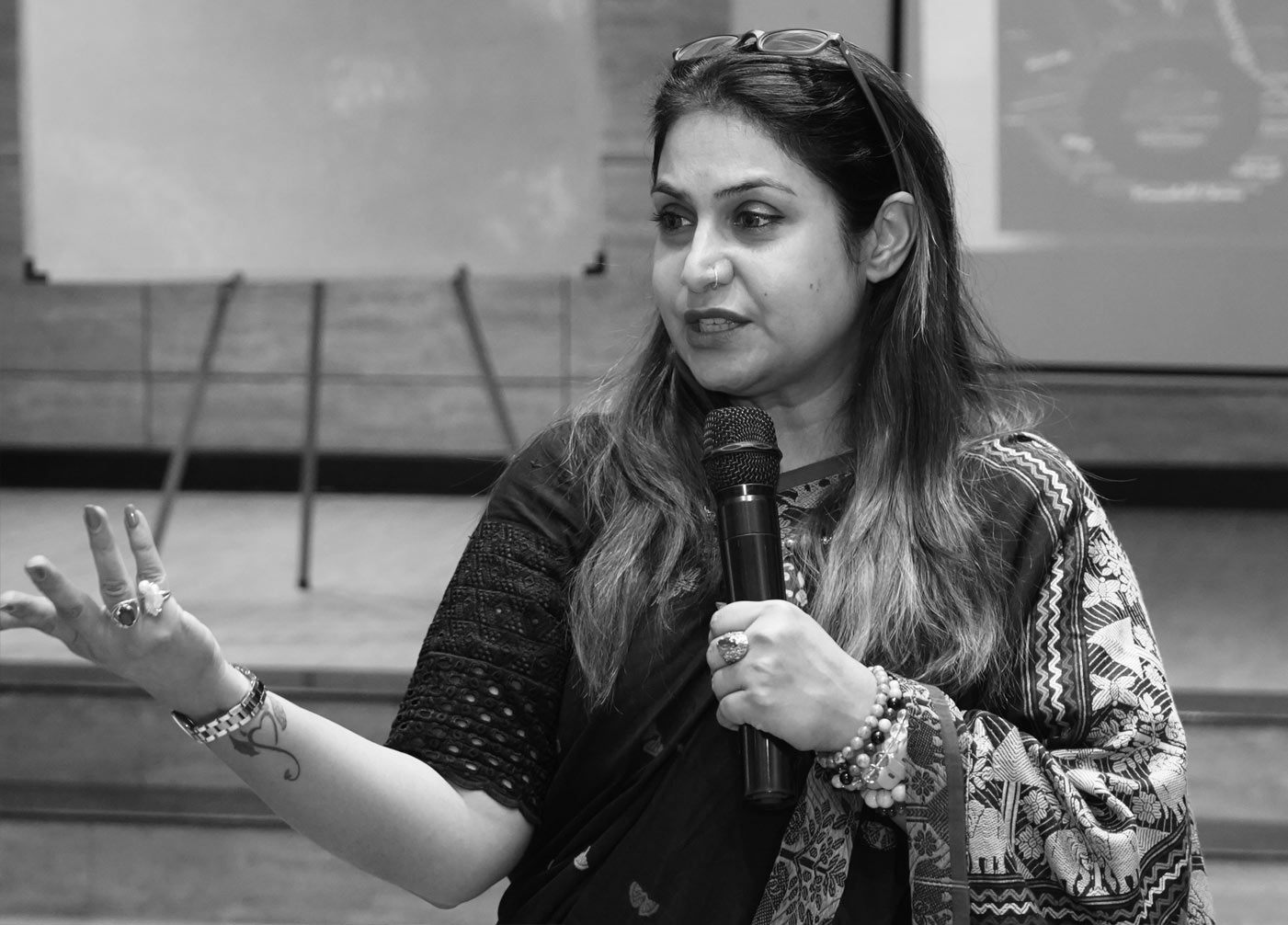
Next, we speak with Emma Barratt, Global Executive Creative Director at Wolff Olins. During our conversation, Emma shares her journey into design, her passion for animation, and the key lessons that continue to shape her career, and more.
When asked what first drew her to the industry, she shared her passion for animation: “Something shifted when I discovered my love for drawing logos, but the defining moment came when I realised that motion could bring these designs to life.”

What first drew you to the industry? Was there a defining moment or experience that shaped your path?
Growing up I was always drawing and creating imaginary worlds—I always dreamed of creating characters and even studied animation. The weirder the better! Something shifted when I discovered my love for drawing logos, but the defining moment came when I realised that motion could bring these designs to life. Why couldn’t brands behave like living characters with their own personalities?
That moment brought my passion for animation back together with design, long before motion became essential to branding.
Is there a person or persons who inspired you professionally on your career journey?
I wish I could point to a female design role model, but that sadly hasn’t been my experience. Instead, I found inspiration outside our field—from the magic of Studio Ghibli to the attitude of Bruce Lee, who my uncle introduced me to when I was young.

While other little girls might have dreamed of ballet, I dreamt of being a badass martial artist who broke down barriers. His fearless approach taught me that being different is not only okay—it’s powerful. Bruce is known as a martial artist, but his real legacy is his philosophy. His ethos has inspired how I approach my career journey; ‘Absorb what is useful, discard what is useless and add what is specifically your own.’
While other little girls might have dreamed of ballet, I dreamt of being a badass martial artist who broke down barriers.
What’s a key lesson you’ve learned in your career that has shaped how you work today?
The further I’ve gone in my career, the more I’ve embraced not fitting into a mold. Early on, and surrounded by senior male figures, I felt the pressure to mimic their ego-led, rock star style. I soon discovered that when you hide your true self—like struggling with dyslexia and the constant pressure to conform—it only holds you back. I learned to cut through, not back down, and embrace my own strengths. Be you, everybody else is taken.
How has mentorship played a role in your career – both as someone receiving guidance and as a mentor to others? What have been your most meaningful takeaways from these relationships?
I’ve often felt the absence of mentorship I craved, especially when male peers are so quick to criticize without offering real guidance. That lack of support ignited a determination to become the mentor I never had.
What I love about mentorship is helping people see their unique talents and help them work out how to embrace them on their own terms.
I’m active in mentoring not only women but anyone who feels different or faces extra challenges—whether it’s neurodiversity or coming from a less privileged background. What I love about mentorship is helping people see their unique talents and help them work out how to embrace them on their own terms.
How can organizations effectively champion diversity, equity, and inclusion (DEI), especially in the face of current challenges? What specific strategies have you found effective?
Firstly, businesses need to stop seeing DEI as a PR checkbox—it’s about real, measurable action. Secondly, companies need to stop using a one-size-fits-all approach, and recognize that not everyone needs the same support. Thirdly, offer genuine flexibility, listen to your team’s unique needs, and tailor your strategies accordingly.
Firstly, businesses need to stop seeing DEI as a PR checkbox—it’s about real, measurable action.
A company’s success is only as strong as the talent it nurtures. Empower your people, and the whole company will thrive. Create that space where everyone can be their authentic self, where rights and opportunities aren’t limited by gender, background, or any other factor.
Is there a project or initiative you’ve worked on that you’re particularly proud of? What made it meaningful to you?
Last year I hosted the Wolff Olins Leadership Circle in Seoul. The event brought together a diversity of business leaders to discuss innovation in leadership—what truly stood out was the impressive turnout of female leaders. In a culture where such platforms are rare, this event unexpectedly became a powerful space for women to connect, share insights, and support each other.
As somebody who has experienced these spaces in the West, it was immensely powerful to be part of something that just isn’t common enough in Korean business. I’m looking forward to hopefully hosting more events like this across Asia.
Quick Hits:
A trend you are (excited or not excited) about:
I’ve noticed the makeup of judging panels for creative awards has become much more diverse. I’m curious, excited and nervous to see how far this can go, will we see panels judged by indigenous and marginalised communities too. If our work is received by a diversity of people, who better to judge that work?
Favorite creative campaign that has most inspired you:
The current shifts in female sports are seismic, they are going to leave a legacy for my little girl, and the world and spaces that she feels she can belong in. The recent FC Como Women brand and kit launch by Communion Studio made me stop, it’s such a simple message ‘WE BELONG HERE’ what also caught my attention is that you can be an athlete and also feminine, and stylish.

A quote that guides you:
‘Absorb what is useful, discard what is useless and add what is specifically your own.’ – Bruce Lee