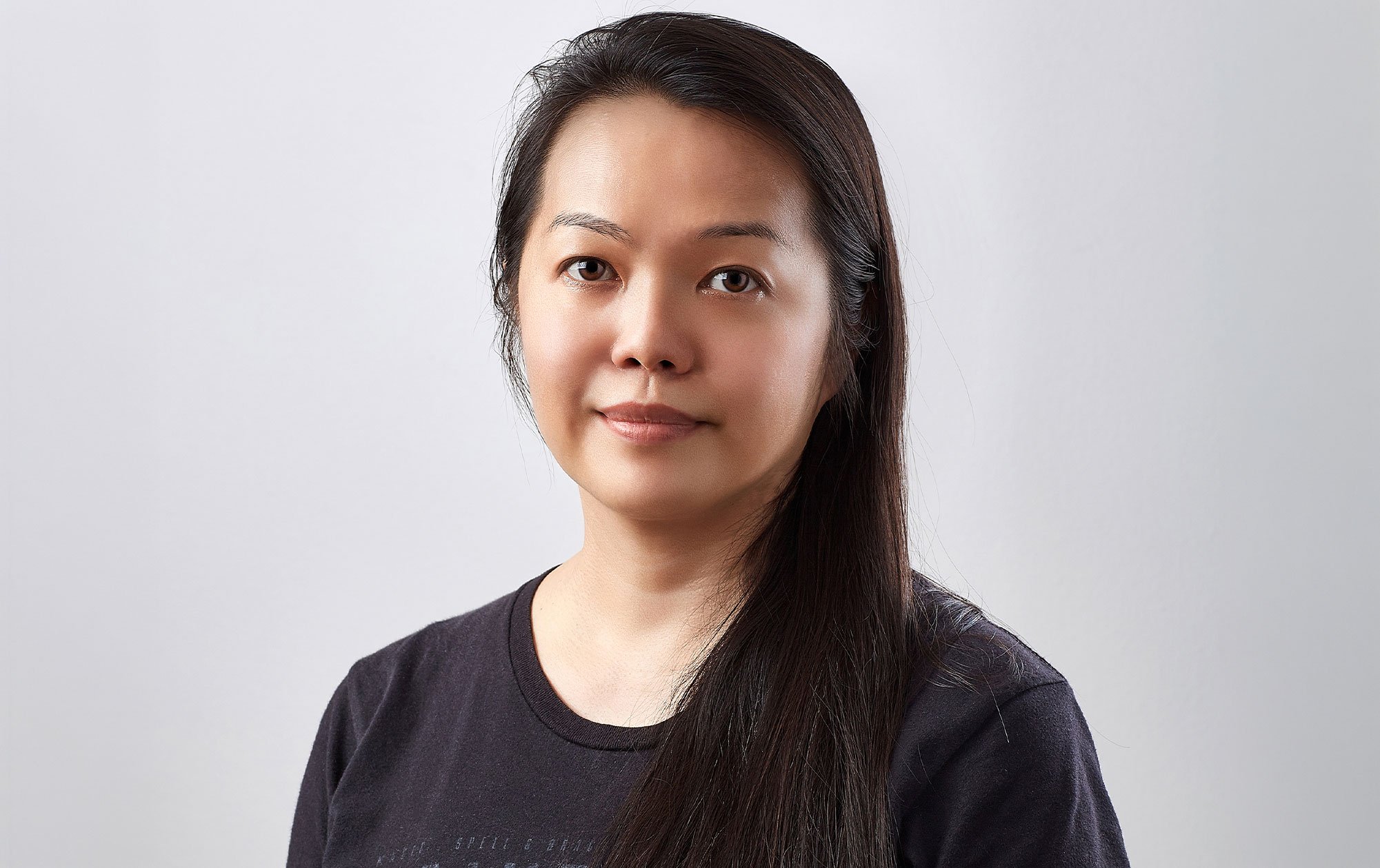
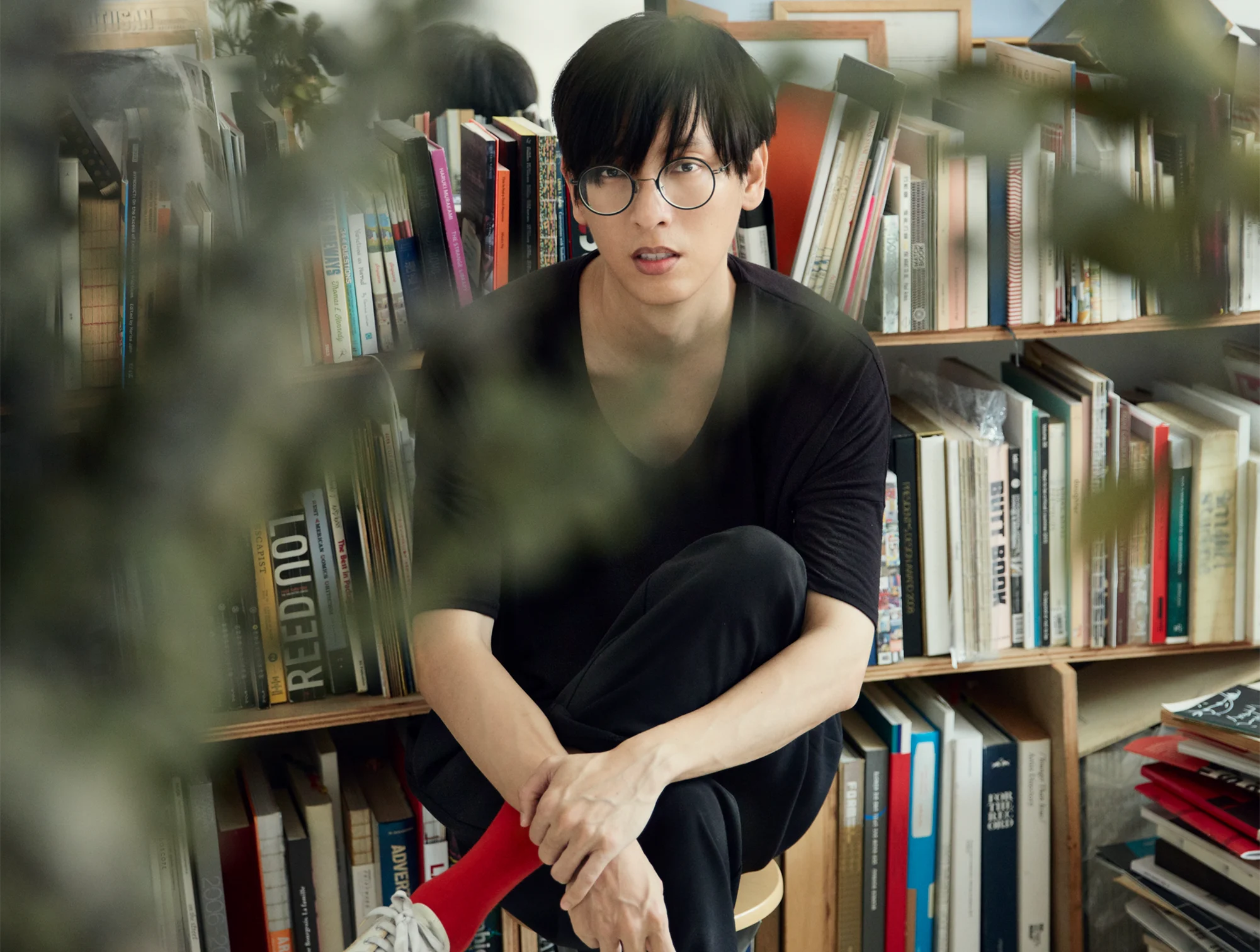
Up next in our Singapore Design in Focus series is Darius Ou, Graphic Designer at Studio Darius Ou and Founder of hyperpress, who specializes in typographic and motion-driven visual identities and is an Art Directors’ Club New York Young Guns 21 recipient. He is also an Adjunct Lecturer at LASALLE College of the Arts.
Over the course of our interview, Ou shares his perspective on Singapore’s design landscape and the evolving role of design in shaping the country’s identity. He discusses what sets Singapore’s design apart, the challenges of finding a niche and building a practice, and how walking clients through his design process can make them more willing to take creative risks.
Ou also talks about hyperpress, his research project spanning 3D printing, graphic design, and publishing, and what led him to start it.
Ou reflects on how he uses AI in his design workflow, stressing the importance of being critical about where it fits and of understanding its flaws and impact. The conversation also covers creative freedom, his contribution to City of New Ruins at Singapore Art Week 2026, and the Singapore places he highlights, from Yishun 10 to Basheer Graphics.

What do you think sets Singaporean design apart from the rest of the world?
Singapore’s blend of cultures and communities, alongside its emphasis on efficiency and the limitations that come with it, offers an unconventional perspective on design as compared to the rest of the world.
Singapore has transformed dramatically since its founding. How has the role of design evolved alongside it?
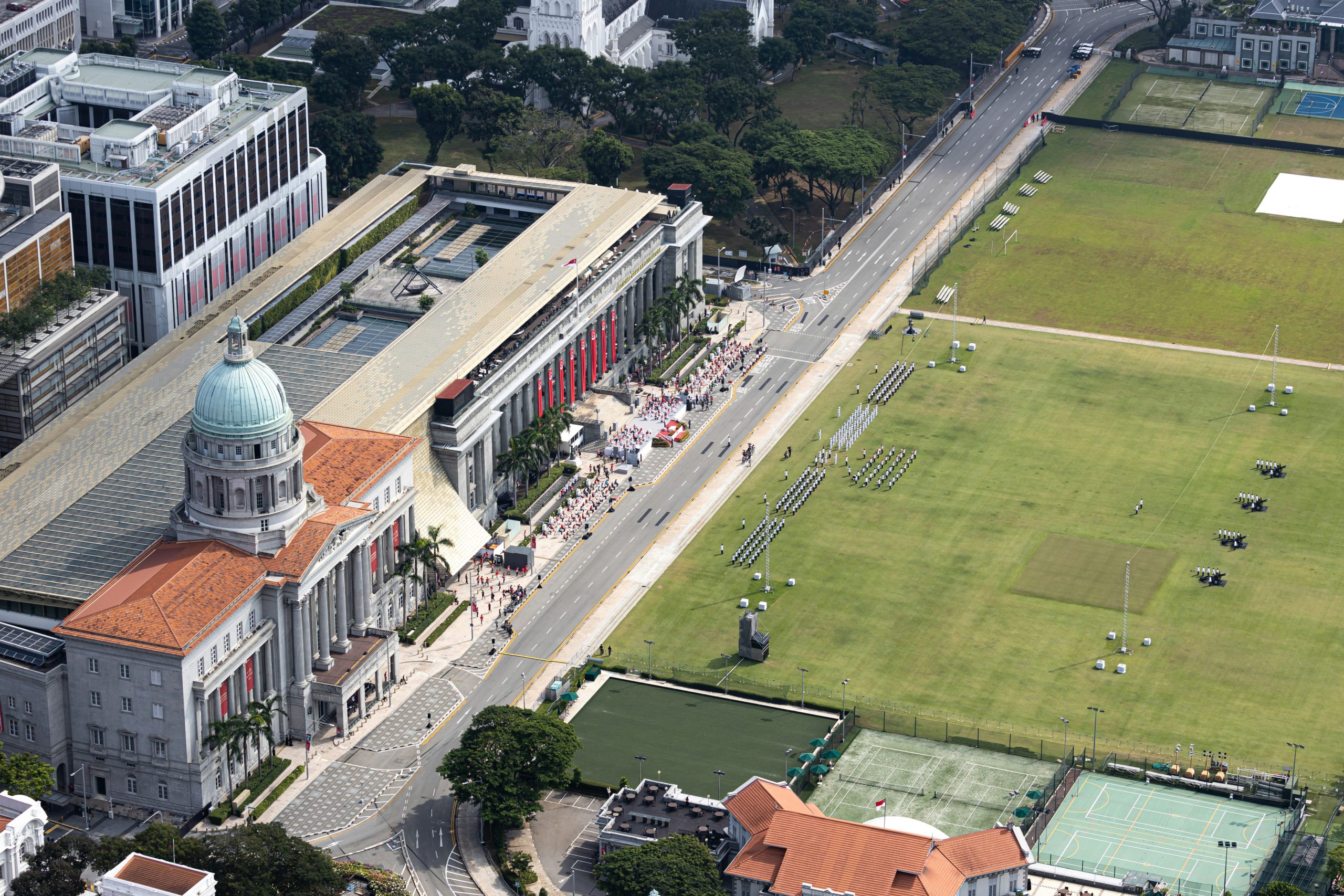
I think design plays a much larger role in Singapore today, with more government bodies recognising its importance not only in urban planning, but also in shaping identity. As Singapore continues to change, design has an important role in helping us navigate that change and shape our country’s identity and vice versa.
I think design plays a much larger role in Singapore today, with more government bodies recognising its importance not only in urban planning, but also in shaping identity.
How willing are clients in Singapore to embrace bold or unconventional design ideas, and how do you encourage them to take creative risks?
It really depends on the client and the industry. I work mostly with cultural institutions and artists, where there tends to be more openness to unconventional ideas. I find that it helps to bring clients and collaborators through my design process, from conception to execution. When they understand how an idea developed, they’re more willing to take a risk with me.

You founded hyperpress in 2021. Can you tell us more about it and what led you to start the project?
hyperpress is a programme of research spanning 3D printing, graphic design, and publishing—producing 3D printed books, objects, and texts. The research situates additive manufacturing within the lineage of the printing press.
3D printing is now a mature technology, its role across design disciplines is relatively new. 3D printing has infiltrated various design disciplines, from industrial design and architecture to fashion etc.
I have always been interested in emerging technologies. Although 3D printing is now a mature technology, its role across design disciplines is relatively new. 3D printing has infiltrated various design disciplines, from industrial design and architecture to fashion etc. I began to wonder what might emerge if 3D printing and graphic design were brought together. That question led to hyperpress.

When approaching a project, do you prefer the clarity of a set brief or the flexibility of creative freedom? What makes that balance important for you?
I often need just one seed of an idea, which might come from a word or phrase in the brief. When the brief is clear about its intentions, I can identify that seed quickly and develop it further. Beyond that, I prefer flexibility in how the concept develops and is executed. That balance gives me a clear starting point without being prescriptive.
AI is a growing part of the conversation in design. How do you see its role in the industry, and how has it shaped your own workflow?
As with any tool, what matters is how we use AI in the design process. I think it is important to be critical about where it fits into a workflow, why we use it, and even how the technology works. Understanding its flaws and impact is just as important as understanding how it benefits us.
I think it is important to be critical about where it fits into a workflow, why we use it, and even how the technology works.
I use AI to help with tasks that would be too labour-intensive when I am still testing an idea. For example, I might use it to build a tool that automates animated sequences for a custom variable font, allowing me to see how the typeface behaves in motion and iterate more quickly. It visualises and validates what is already in my head. AI is one part of a larger process, alongside the other design programs I use. I begin by developing the concept and designing the typeface, then test it with the AI-assisted tool before returning to the design program to refine the final work.
View this post on Instagram
What’s something about breaking into design in Singapore that you wish someone had told you when you started out?
I think finding a niche and building a practice is harder than it seems, especially in a smaller design scene like Singapore’s. It takes more than technical skill. It also requires an understanding of the communities and cultures you work within, as well as the confidence and experience that develop gradually through relationships with collaborators.

Could you share a project (or projects) from your own work that stands out as especially meaningful or impactful to you?
One project would be hyperpress, which I actually see as one long-form project which comprises 3D-printed books, objects and texts. It is equal parts design, art and academic research. As the nature of this project crosses multiple disciplines and communities, such as arts, creative technology, maker communities, material science, etc, the inspiration and aspiration for hyperpress has been and always will be about and for graphic design (and publishing), which comes from my passion for the work I do.

Another project would be my contribution to City of New Ruins at Singapore Art Week 2026, which is one project where I had full creative freedom over the show’s art direction and visual identity. This project was an installation artwork. The work brought together ten artists and creatives from different fields, giving me a rich starting point for worldbuilding and lore. I designed a custom typeface and wrote graphic lore for the identity, which manifested across printed matter, wall graphics and film titles.
Quick Hits
Something symbolic of Singaporean design that someone visiting Singapore should see that isn’t widely known:
I have a soft spot for Yishun 10 in Yishun, my hometown. It is a magnificent (and wonderfully eccentric) structure built in the 90s as Singapore’s first multiplex. It is sadly slated for demolition.
A Singaporean designer or artist you’d love to collaborate with or have been inspired by:
Too many to list!
Your go-to place for creative inspiration in Singapore:
Basheer Graphics.