
We catch up with the Co-Founder and Design Lead of Analogy Design Studio to talk about Indian design, client collaboration, evidence-driven innovation, balanced briefs, and the challenges and opportunities shaping young designers entering the industry.


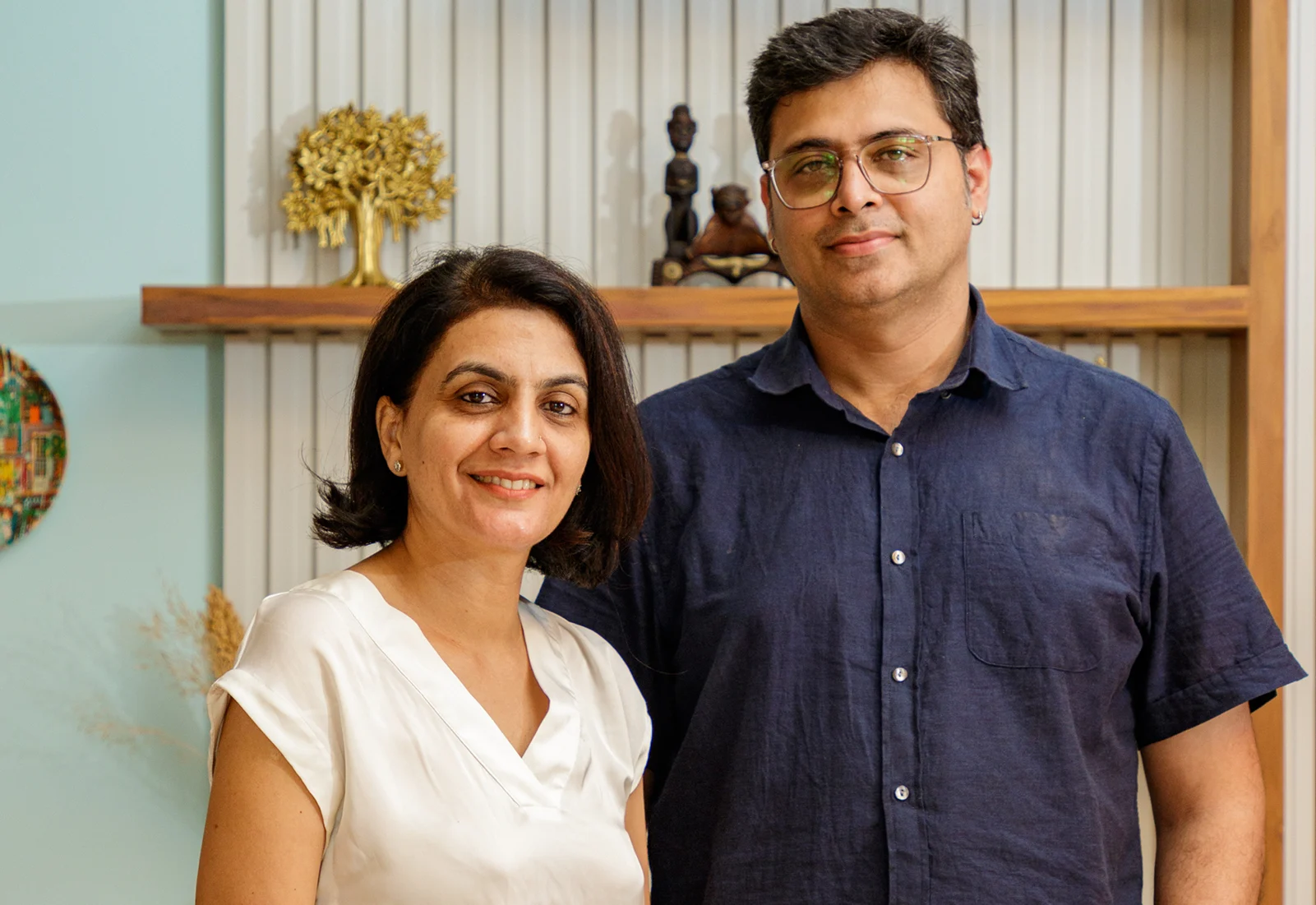
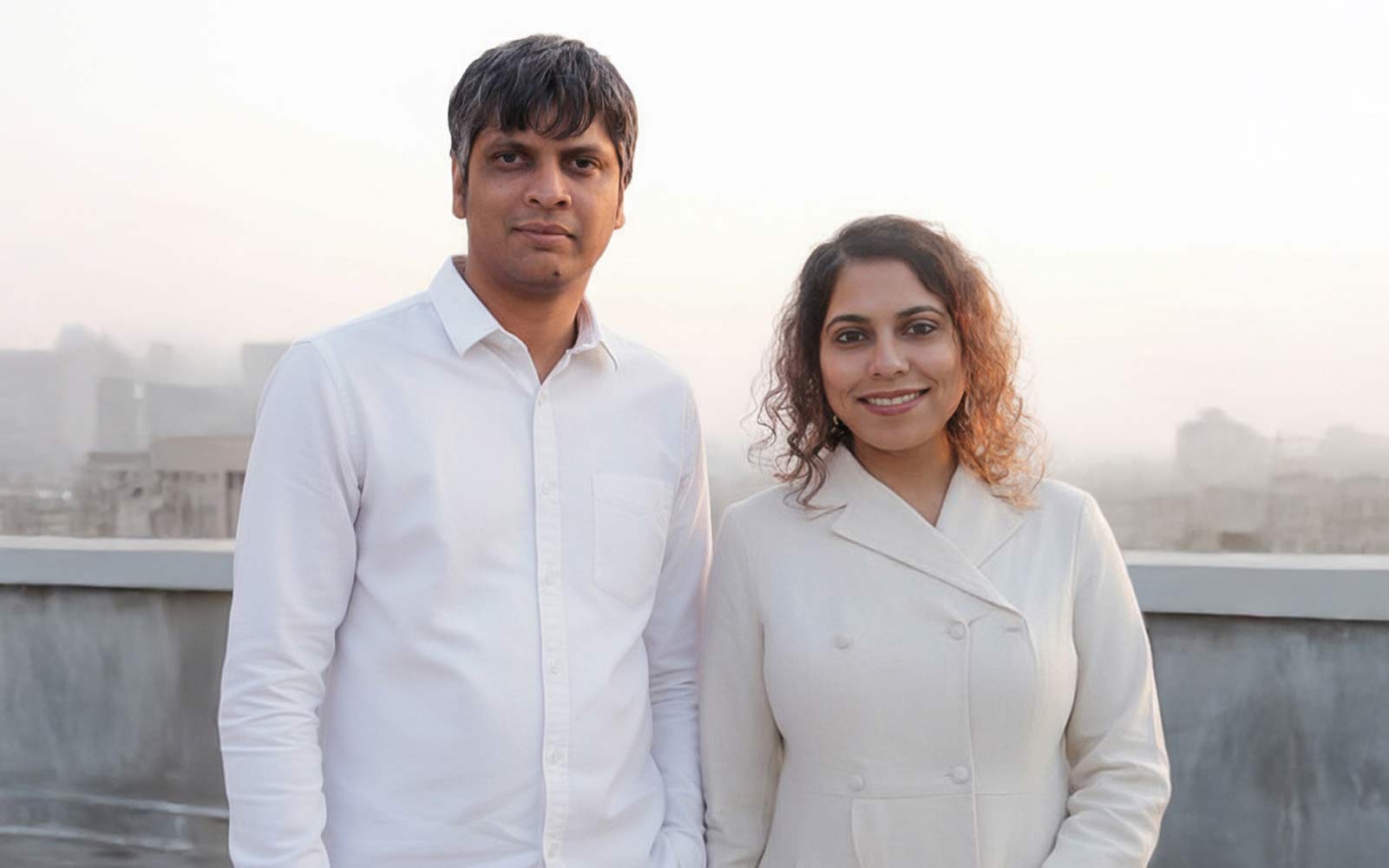
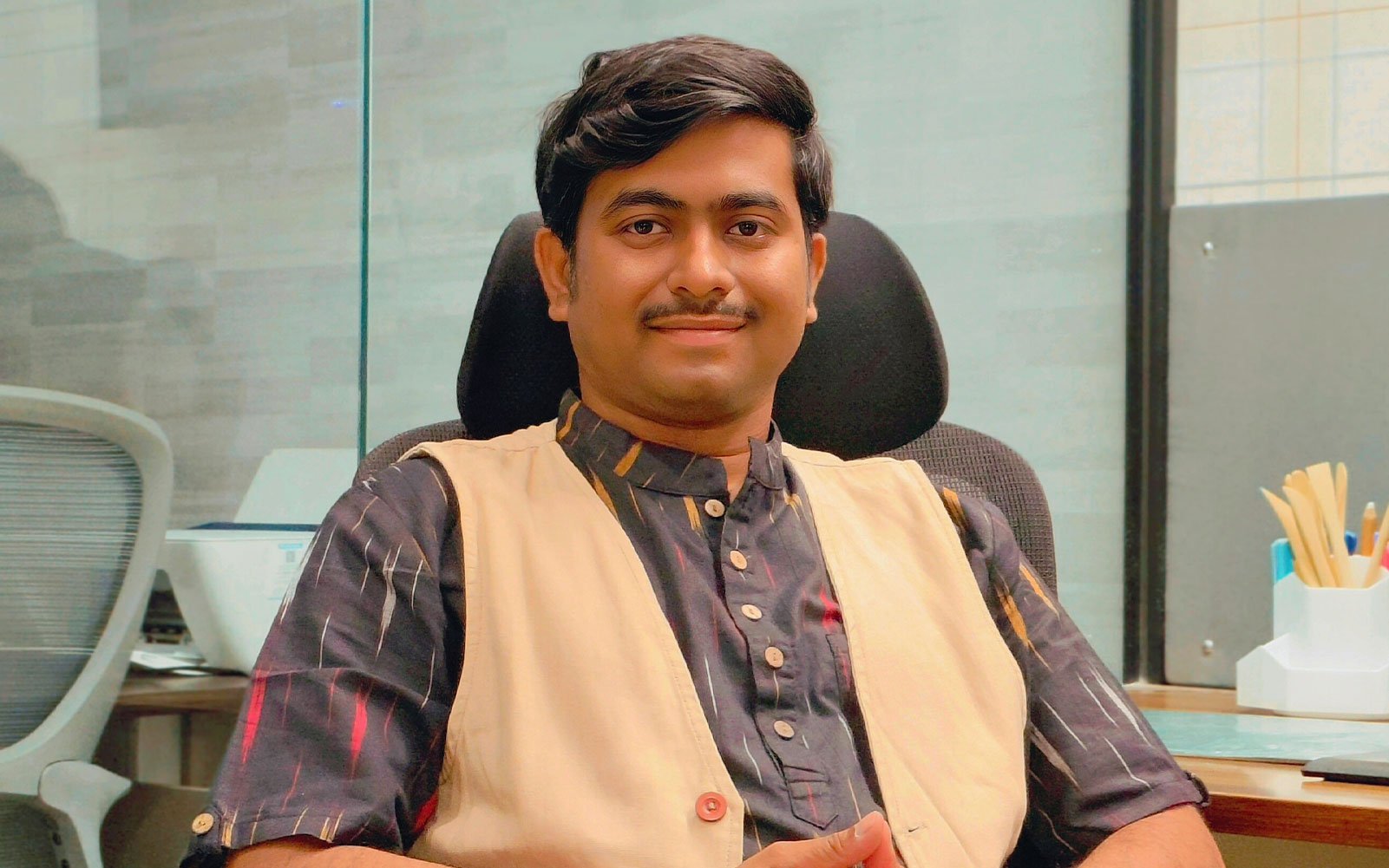
As part of India’s evolving design landscape, Analogy Design Studio approaches every challenge with a mindset rooted in adaptability, resourcefulness, and human relevance. To learn more, we spoke with Co-Founder Divya Rao and Design Lead Vikrant Mishra about their perspectives on Indian design and the principles that guide their work.
At Analogy, design means solving the right problems first. Whether reimagining everyday challenges, encouraging clients to take bold yet informed decisions, or nurturing young designers by connecting academic imagination with real-world execution, their approach reflects a commitment to creating work that genuinely enhances people’s lives.
In our conversation, Divya and Vikrant discuss the mindset that defines Indian design, what thoughtful problem-solving looks like in practice, how clients are embracing innovation, the value of balanced briefs, the gaps and opportunities in design education, and the advice they share with young designers entering the field.


Divya: What sets Indian design apart is its ability to balance emotional depth with practical ingenuity.
We see Indian design not as a visual style, but as a mindset which is adaptive, resourceful, and deeply human. It’s born in a culture that’s constantly negotiating contrasts: tradition and modernity, scarcity and innovation, emotion and logic.
We see Indian design not as a visual style, but as a mindset which is adaptive, resourceful, and deeply human.
This duality gives Indian designers a unique lens. We don’t just design for ideal conditions; we design for real ones. That means products that are resilient, empathetic, and inherently scalable.
While global design often chases perfection, Indian design, at its best, celebrates purpose and possibility.
Vikrant: I believe the term ‘Jugaad’ has become an overly used concept when discussing Indian design. It’s often used as a default label, but Indian design is far more nuanced than that. To me, it’s about the mindset, the distinction between designing from abundance and designing from scarcity.
When I think of Indian design, I think of designing for a billion people across diverse geographies, lifestyles, and realities.
Much of Western design evolved from abundance, while in the Global South, particularly in countries like India that experienced colonisation and resource constraints, design evolved out of necessity. It has always been about solving the right problems first and ensuring the solution genuinely enhances people’s lives. When I think of Indian design, I think of designing for a billion people across diverse geographies, lifestyles, and realities. It’s never just about aesthetics but about creating designs that truly work for people.
We should embody this DNA through a global perspective. Indian design doesn’t fit neatly between Japanese precision or American functionalism; it’s a genre in itself. It begins with empathy and relevance, then expands outward, sometimes even becoming beautifully maximalist.”
Divya: The goal has never been to simply make something look beautiful; it’s to make it work beautifully. Every design decision is guided by the belief that a product must balance form, usability, and function in equal measure.
Ultimately, thoughtful design to us means creating something that quietly improves life, not just for the user holding it, but for the system that brings it to life.
In practice, that means every concept we work on goes through multiple rounds of iteration, often 6 to 10 cycles of exploration, prototyping, and validation before we commit to a single direction. Each loop brings sharper insights into how people actually use, hold, or experience the product in their real contexts. Test, break, and rebuild designs repeatedly until they meet benchmarks for usability, manufacturability, and emotional resonance.
Ultimately, thoughtful design to us means creating something that quietly improves life, not just for the user holding it, but for the system that brings it to life.
Vikrant: I believe the phrase ‘high impact’ varies depending on perspective; every stakeholder interprets it differently. For a client, it may represent improved margins; for a designer, it’s about driving meaningful change in how people use or relate to a product. Often, when clients come to us with specific pain points, our user research reveals that the true challenges lie elsewhere.
When we speak of ‘tackling everyday problems,’ we refer to identifying the right problem first, before considering form or features.
So, when we speak of ‘tackling everyday problems,’ we refer to identifying the right problem first, before considering form or features. For us, scalability goes beyond manufacturing; it’s about enhancing quality of life and creating impact at a larger scale. The question we consistently ask is: can this idea grow, adapt, and evolve into a system that continues to add value over time?
A great example is Idiya, our meditation and mindfulness device. Rather than designing another app, we set out to create something tangible and screen-free that promotes focus. Most smart devices today are designed for distraction, not mindfulness. Inspired by the Indian Diya, it symbolises focus and grounded energy, reflecting the belief that mindfulness begins from within.
Designed to harmonise with any interior without visual or audible clutter, it offers users complete freedom in how they engage with it. For us, that adaptability and quiet intelligence embody what thoughtful, high-impact design truly means.
Divya: Yes, absolutely, over the past decad,e we’ve seen a clear shift. Clients today are far more open to bold, differentiated design thinking than they were a few years ago. But that willingness doesn’t come from a sudden appetite for risk; it comes from trust.
We build that trust by showing, not just telling. Need to immerse clients in process through the sketches, prototypes, simulations, and user feedback loops so they can see how a bold idea isn’t reckless if it’s rigorously validated.
Please encourage them to take leaps through evidence by usability tests, form function studies, and small poc wins that demonstrate impact early. Once they see that bold design can still be scalable, manufacturable, and user-centric, confidence naturally replaces hesitation.
Innovation isn’t about taking wild bets; it’s about making courage feel safe.
Vikrant: Yes, clients have certainly become more willing to make bold design choices, though this often depends on whether it’s a corporate entity or an individual founder and their respective appetite for risk. This openness has grown significantly as markets across categories have become increasingly saturated, there’s already an abundance of products. Today, there’s little value in creating just another pair of headphones or speakers unless it truly enhances someone’s life.
Encouraging innovation, ultimately, is about evidence and example. Help clients understand the real-world potential of their ideas through data-driven validation and user feedback.
We should encourage bold decisions through data. Before we begin designing, we conduct a thorough analysis examining what’s selling, what users appreciate or dislike, sales indices, margins, suppliers, and costs. This helps us assess the ideal user appetite for innovation. Then move into ideation, developing new features, and validating them directly with users, allowing clients to witness firsthand what people are genuinely willing to pay for if it solves a recurring problem.
Encouraging innovation, ultimately, is about evidence and example. Help clients understand the real-world potential of their ideas through data-driven validation and user feedback.
Another major enabler has been the rise of funding and crowdfunding platforms such as LaunchBoom, Kickstarter, and Jilop, which allow ideas to be tested early without requiring full-scale investment.
This approach makes innovation almost risk-free, helping teams learn quickly whether a problem is worth solving before committing substantial resources to development. Identifying, validating, and solving the right problem is how we guide our clients to embrace truly impactful and innovative design.


Vikrant: I believe both extremes can be limiting in their own ways. When a brief is too rigid, it confines you to the client’s current understanding of the problem, often stifling exploration and creativity. On the other hand, when there’s too much freedom, it’s easy to lose direction and struggle to anchor creativity or address the right product-market gap.
For me, the ideal brief strikes a balance; it should offer enough clarity to understand why the project exists, but also provide room to redefine how we approach and solve the problem. Good design happens when we challenge assumptions within the brief while still maintaining a sense of purpose, and this philosophy is deeply ingrained in our process.
I believe both extremes can be limiting in their own ways. When a brief is too rigid, it confines you to the client’s current understanding of the problem, often stifling exploration and creativity.
When a client approaches you with a brief, typically begin with what we call a Project Brief V1. As the project progresses, new insights emerge from users, the market, manufacturers, or external collaborators, allowing the brief to evolve organically. We should never take briefs at face value; interrogate, challenge, and validate them, uncovering emotional gaps, market blind spots, and user truths that may not be immediately visible.
That’s where clarity and creative freedom begin to overlap. This approach not only leads to more meaningful outcomes but also enables clients to release products that genuinely address real needs. Personally, I prefer a brief that’s half mapped out and half a mystery it provides enough direction to move efficiently, while leaving space to create something truly original and unique.
Divya: India has no shortage of creative talent, and what’s often missing is context and industry exposure. Many design schools still focus heavily on craft and aesthetics, but the realities of today’s creative industry demand much more than systems thinking, business understanding, technical collaboration, and an ability to translate design into tangible impact.
We’ve seen young designers who are curious, skilled, and full of ideas, but they often need help connecting design intent with real-world constraints like manufacturability, cost, and scalability.
We believe education needs to evolve from “project-based learning” to “outcome-based thinking.” That means teaching students not just how to make something look good, but how to make it work, how to communicate it, and how to sustain it in production.
We’ve seen young designers who are curious, skilled, and full of ideas, but they often need help connecting design intent with real-world constraints like manufacturability, cost, and scalability.
That’s why we should invest time mentoring interns and fresh graduates, exposing them to live projects, cross-functional discussions, and manufacturing realities early. It helps bridge the gap between academic imagination and industrial execution, something we see as essential for nurturing the next generation of truly holistic designers.
Vikrant: I actually have a somewhat unconventional view on this. I believe the current education system in India is not adequately preparing or nurturing young designers. It does a better job of fostering young founders and entrepreneurial frameworks for those who want to build things, but not from a design perspective.
The Indian education system doesn’t emphasize creative practices at its core or how they can be applied at scale within our culture, industries and economy. However, the internet is playing a transformative role in bridging this gap. It has made design, product development, fundraising, and crowdfunding far more democratic. Today, anyone with the determination to build and launch something can access the necessary resources and bring their ideas to life.
Vikrant: My advice to young designers entering the industry is simple: stop romanticizing design. You’re not going to change the world with every render, and that’s perfectly fine. Most early projects will be small, frustrating, and full of compromises, but learn to make them beautiful regardless.
You can’t recognize what’s good until you’ve experienced the bad, so embrace both the highs and the lows. Don’t rely solely on college to prepare you; most design schools teach software and form, but not how to think critically, build, present, or negotiate value. You’ll learn far more by participating in client meetings than by sitting in front of your screen.
Design less for applause and more for purpose, because this field rewards persistence over perfection. If you stay focused on impact, everything else will naturally follow.
As a designer, never limit your sources of inspiration; it can come from a manufacturing document, a run, a conversation, or even a dream. Follow your instincts, stay curious, and understand that true creativity lies in observation and meaning, not in constant output.
Also, never forget that design isn’t about you, it’s about others. It’s about creating something that truly matters to someone who may never know your name. Don’t get overly attached to aesthetics or style; focus instead on solving real problems. Build proof, not just visually appealing portfolios. The industry values what works, what ships, and what creates impact, not likes or followers. Design less for applause and more for purpose, because this field rewards persistence over perfection. If you stay focused on impact, everything else will naturally follow.
Something symbolic of Indian design that one visiting India should see really depends on what aspect of the culture you want to experience.
Culturally, I would definitely recommend visiting the stepwells in Gujarat or Rajasthan. They are among the most timeless and beautiful examples of how Indian design has evolved seamlessly, blending utility, design, and culture in a way that feels effortlessly human. Every element serves a purpose. To me, they embody what Indian design truly stands for. It doesn’t have to be merely decorative; it must be deeply considerate. It’s born out of need, grounded in purpose, timeless and is robust.
Another example would be India’s railway stations. They represent one of the largest and most complex design systems ever created, yet they continue to operate through human intuition, adaptation, and decisions made decades ago that still evolve today.
The scale at which they function, accommodating diversity and unpredictability, is extraordinary. The new railway lines and coaches, in particular, showcase remarkable design and utility. This is also the essence of Indian design: systems thinking born from constraints, where technicality, engineering, and limitations meet intuition and empathy. It’s not about aesthetics or perfection, it’s about resilience.
Vikrant: The person I’m most fascinated by in the Indian design landscape is Dilip Chhabria, who is truly a legend. He is one of India’s most prominent automotive designers and the founder of DC Design.
Decades ago, he was among the first Indian designers to make design feel aspirational, proving that Indian design could be global, unapologetically premium, and proudly originate from India at a time when very few were doing so. What inspires me most about his journey isn’t just his design language or his cars, but his mindset and confidence to design for the global stage when India was still discovering what design meant in terms of aesthetics, industry, and scalability.
Whether or not people agreed with his aesthetic choices, he made design visible on a massive platform, which in itself transformed the industry. I had the opportunity to hear him speak at an event recently and meet him in person. It was, without a doubt, one of the highlights of my design career.
Vikrant: My go-to source of creative inspiration in India is, I believe, what it should and could be for anyone globally. Most of my inspiration comes from conversations. Whether it’s with founders, users, engineers, or individuals just beginning to explore the industry, the ambition to build something from scratch represents India’s new creative energy, and it fuels everything we do at Analogy.
The informality and unstructured brilliance of self-taught problem solvers truly define what ‘New India’ looks like. You can find them everywhere, from street vendors to local fabricators, each optimising usage, function, cost, and material purely through intuition. That, to me, is pure design intelligence.
This raw ingenuity design that emerges from necessity and survival often teaches me far more than any curated Scandinavian or Bauhaus exhibition ever could.


To learn more, visit analogydesign.co
All images provided by Analogy Design Studio.